Dolomite countertops offer a marble-like look at a lower price point, but they are softer than granite or quartzite, porous enough to need regular sealing, and prone to etching from acidic spills like lemon juice or wine. Weighing elegance and affordability against the required upkeep is the main decision to make before choosing dolomite for a kitchen or bathroom. For homeowners around Zephyr Cove, where cabins and lake homes lean on natural wood and stone materials, dolomite tends to fit the aesthetic well as long as the maintenance routine is part of the plan from the start.
What Is Dolomite, Exactly?
Dolomite is a carbonate mineral, calcium magnesium carbonate, that forms when magnesium-rich groundwater alters limestone over long stretches of geologic time, a process called dolomitization. The rock was first described in the late 18th century by a French geologist who observed it in the Alps of northern Italy, and the mountain range was later named after him. For countertops, dolomite slabs typically show soft white, cream, gray, or beige backgrounds with the kind of subtle veining people usually associate with marble.
The Pros of Dolomite Countertops
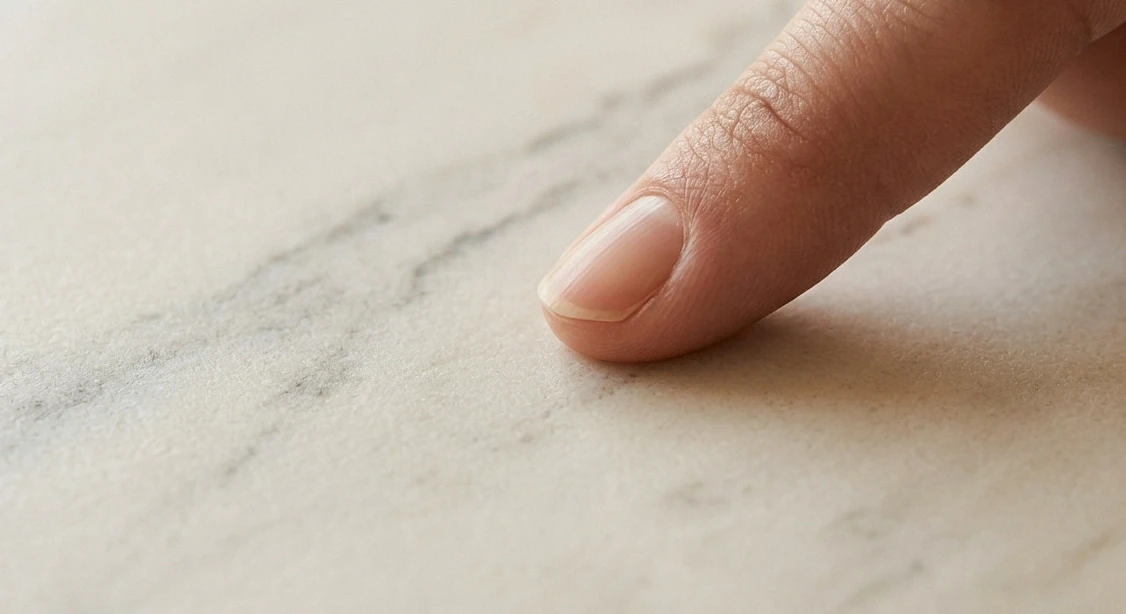
It looks like marble, without marble's price tag. Dolomite delivers the same soft veining and elegant, understated look that draws people to marble, at a more accessible cost.
Every slab is different, so no two dolomite countertops are alike.
It's reasonably durable. On the Mohs hardness scale, dolomite typically rates 3.5 to 4, noticeably harder than marble, which sits closer to 3. That extra hardness helps it resist everyday scratches and chips a bit better in daily kitchen use.
It handles moderate heat. Dolomite has a decent tolerance for warmth, but hot pots and pans should still always be set on a trivet or hot pad rather than placed directly on the surface. That habit protects the stone regardless of how heat-resistant a specific slab may seem.
It fits a range of design styles. Because it comes in neutral whites, creams, and grays with natural veining, dolomite works in both traditional and more contemporary kitchens and bathrooms, and it pairs naturally with the wood-and-stone palette common in Tahoe-area homes.
The Cons of Dolomite Countertops
It's porous and needs regular sealing. Like most natural stone, dolomite has some porosity, which makes it prone to absorbing liquids and staining if it isn't sealed and resealed on a routine basis.
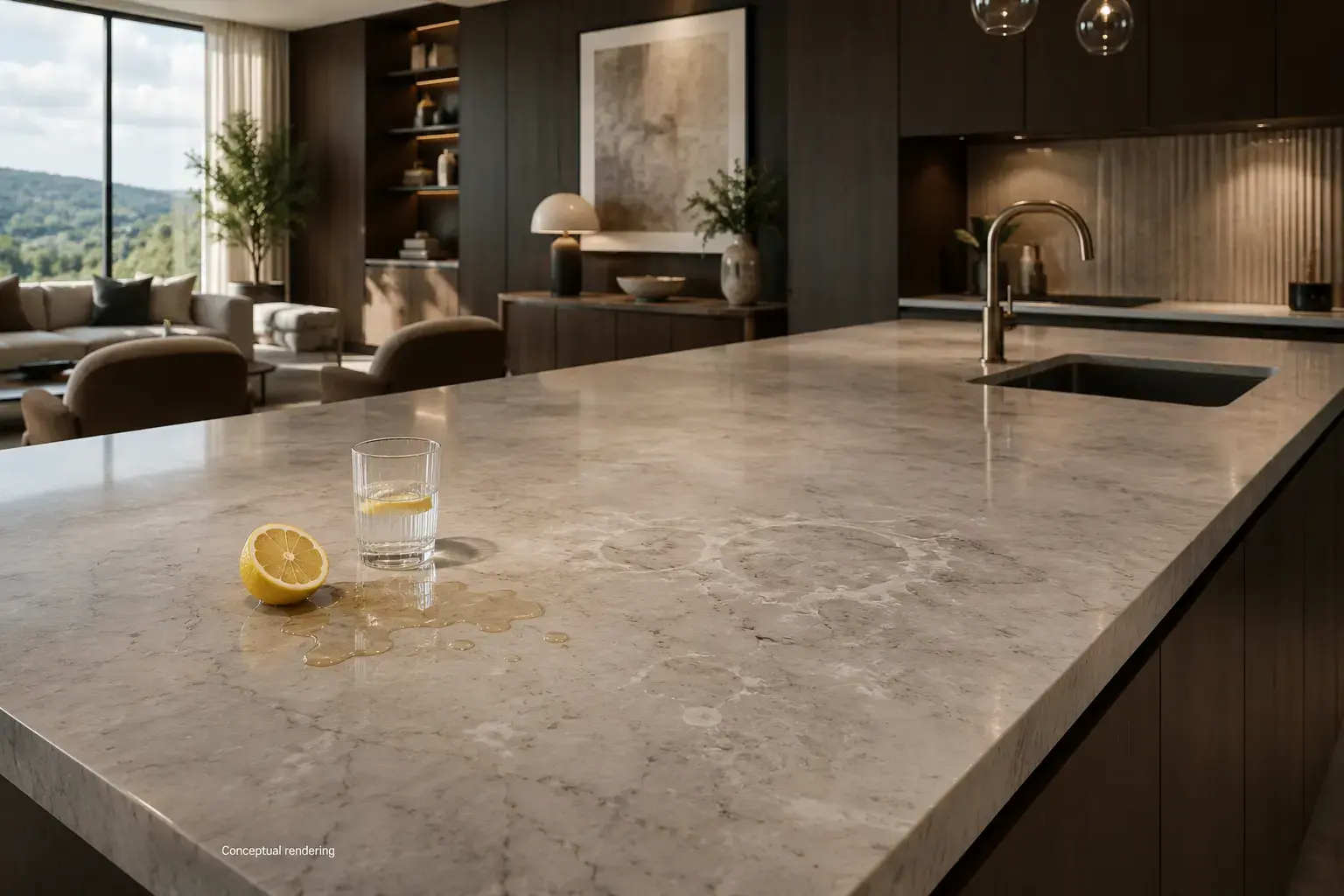
It etches with acidic spills. Lemon juice, vinegar, wine, and other acidic substances can react with dolomite and leave a dull mark on the surface. Timing matters, since unsealed stone can start absorbing spills in well under an hour, so wiping up quickly makes a real difference.
It's still softer than granite or quartzite. While dolomite outperforms marble on hardness, it isn't as resistant to scratching or chipping as those harder stones, so cutting boards are a good habit rather than an optional one.
Color and pattern options are more limited than some other stones. Dolomite slabs tend to stay in a fairly narrow range of whites, creams, grays, and soft browns, so it may not be the pick for someone chasing a bolder or more dramatic look.
Dolomite vs. Other Countertop Materials
- Vs. granite: Granite is harder and more scratch-resistant, but dolomite offers a softer, more marble-like appearance.
- Vs. quartzite: Quartzite is significantly harder and more durable, but dolomite's veining tends to be more subtle, which some homeowners prefer.
- Vs. quartz: Quartz is engineered and non-porous, so it skips sealing entirely, but it won't have the one-of-a-kind natural variation of a dolomite slab.
Living With Dolomite in a Zephyr Cove Home
Many homes around Zephyr Cove and the broader Tahoe basin are used seasonally, as weekend cabins and vacation properties rather than full-time residences. That's worth factoring in, since an owner who isn't in the house every day may want to build a simple resealing reminder into the calendar rather than relying on catching a stain on the next visit. For homeowners ready to explore available slabs, our website can be a useful starting point, while a slab quote request can help with the next step. In a mountain home where wood tones, exposed beams, and stacked stone are common design touches, dolomite's soft veining tends to sit naturally alongside those materials without competing with the view outside the window. Homeowners who want to see options in person can also visit our Reno showroom to compare available slabs and discuss their project.
Conclusion
Dolomite fills a real gap between marble and granite, offering an elegant, natural look without the highest price point of either. Choosing it comes down to whether the required upkeep, regular sealing and quick cleanup around acidic spills, matches how the home is actually used. For a Zephyr Cove property where wood and stone are already part of the design language, dolomite tends to fit naturally once that maintenance routine is part of the plan.
If you'd like to see dolomite slabs in person or talk through whether it fits your project, Nova Tile and Stone's Reno showroom offers a free design consultation.
Nova Tile and Stone
12835 Old Virginia Rd, Suite 24
Reno, NV 89521
(775) 331-6682
Frequently Asked Questions
No. Both are carbonate stones and can look similar at a glance, but dolomite is a distinct mineral, while marble is metamorphosed limestone. Dolomite is somewhat harder, which is the main practical difference for countertop use.
Yes, at installation and then periodically afterward. How often depends on the slab and how the countertop gets used.
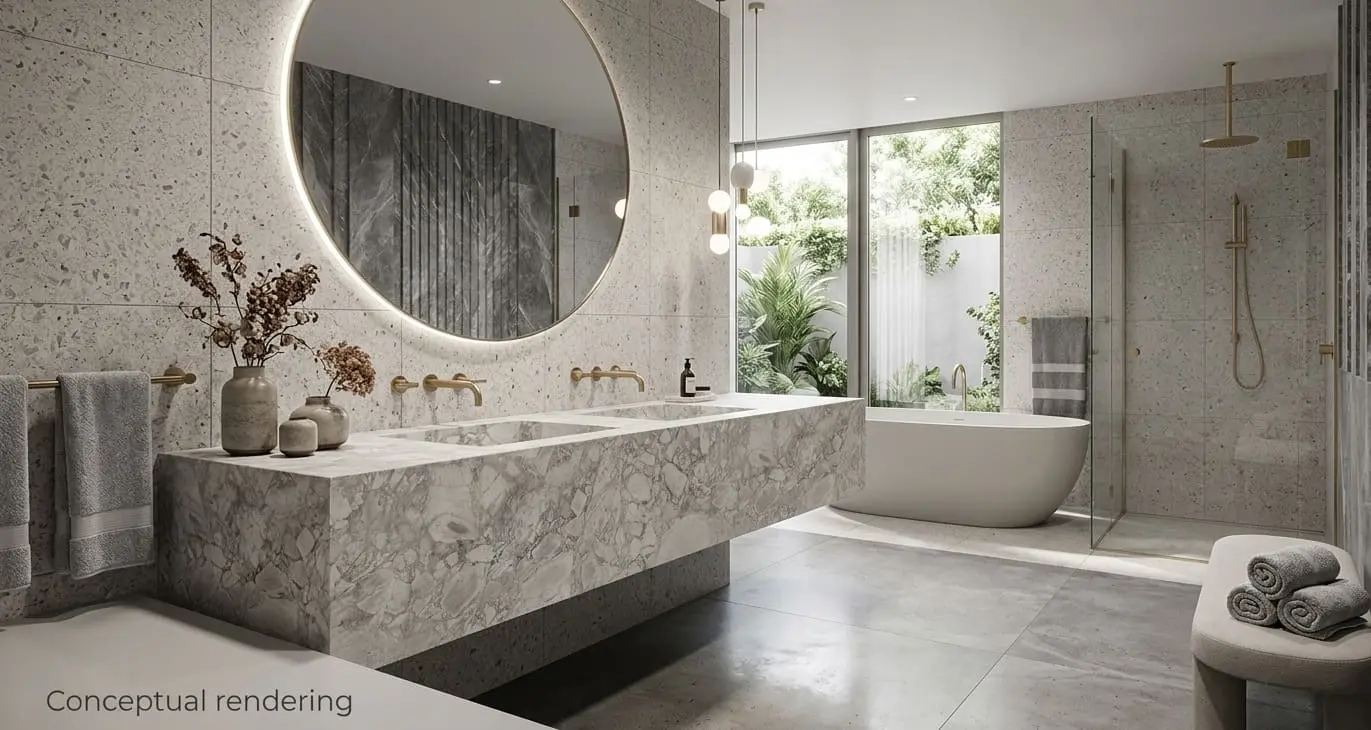
Yes. Dolomite is available in a range of finishes, including polished, honed, leathered, and specialty textures, which makes it a fit for walls, floors, and fireplace surrounds as well as kitchen and bathroom surfaces.
Yes. It works well in bathrooms as well as kitchens, with finish options including polished, honed, leathered, and specialty textures.
With regular sealing and prompt spill cleanup, dolomite can last for decades. Maintenance habits, not the material itself, are usually what determine its lifespan.
Note: Some images on this page may be conceptual renderings created to illustrate design possibilities and may not depict actual installations.