Sacramento homeowners comparing tile, stone, or flooring samples before choosing materials should collect three to five options per surface, bring them home to test under real lighting conditions, and evaluate finish and texture alongside color. Natural stone slabs should be viewed in person at a slab yard rather than assessed from small cut samples alone. For outdoor applications in Sacramento, prioritize materials with a water absorption rate of 0.5 percent or less under ANSI A137.1 standards to handle the region's heat, dry summers, and cooler-season freeze-thaw cycles. Porcelain tile requires no sealing and resists most household chemicals, while marble requires more maintenance due to its sensitivity to acidic substances. Placing finalist samples side by side in the actual space, under the lighting conditions where the material will live, is the most reliable way to make a final decision. Homeowners in the Sacramento area can explore tile, stone, and flooring options across a wide range of materials before visiting a showroom.
Start With the Right Number of Options
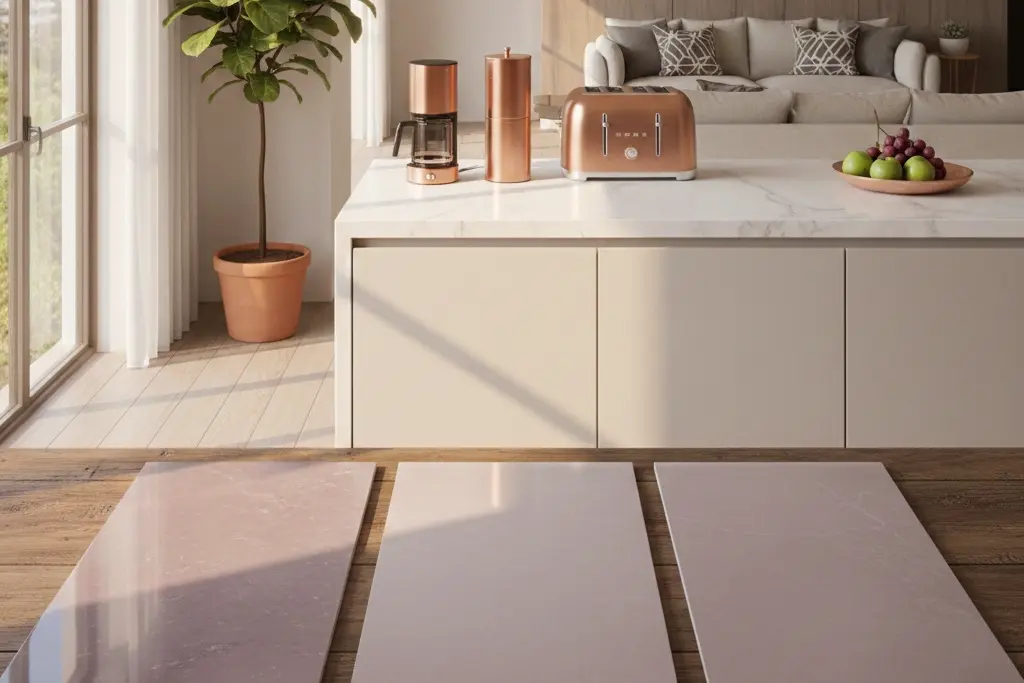
Too few samples limits your ability to compare, while too many creates decision fatigue. A practical starting range is three to five materials per surface. Within that group, you should have enough variety to identify clear differences in tone, finish, and character, without so many options that comparisons become difficult to track.
When narrowing down initial options, consider the fixed elements in the space first. Cabinet color, wall paint, hardware finishes, and existing flooring in adjacent rooms all act as anchors. Materials that work against those anchors tend to read as disjointed no matter how appealing they look in isolation. Bring photos or paint chips from the space when visiting a showroom so the selection process starts with real context.
If you are working across multiple surfaces, such as a countertop, backsplash, and floor, try to pull samples for all three at once. Evaluating them together helps identify whether the materials support each other or compete.
Bring Samples Home Before Deciding
Showroom lighting and your home's lighting are rarely the same. Natural light from windows, overhead kitchen lighting, and bathroom vanity lighting each interact with stone and tile differently. A material with warm undertones under showroom fluorescents may read much cooler in a north-facing kitchen with limited sun exposure. A polished surface that appears bright in a showroom can become visually loud in a smaller space.
Taking physical samples home removes this variable. Once you have them, place each sample in the specific area where the material will be installed. Set them on the countertop if you are evaluating tile for a backsplash. Lay them on the floor if you are choosing wall tile and want to see how the combination reads. Allow the samples to sit in the space for at least one full day so you can observe them under morning light, midday light, and artificial evening light.
For natural stone slabs, the process is slightly different since individual tiles and smaller samples will not fully represent how the full slab reads. In that case, viewing full slab inventory in person in outdoor or natural light is often more useful than relying on a small cut sample alone.
Evaluate Finish and Texture Alongside Color
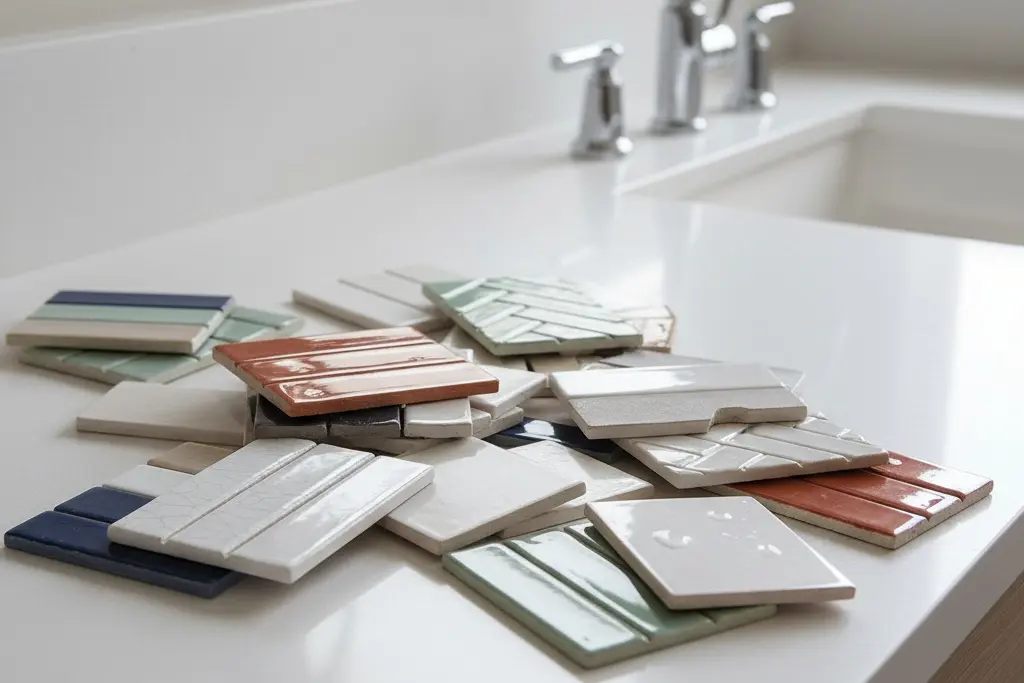
Color tends to receive most of the attention during sample comparisons, but finish and texture often have a greater impact on how a material functions day to day. A polished marble countertop and a honed marble countertop may use the same stone, but they behave differently in use, require different maintenance, and read differently in the space.
Polished surfaces reflect light and tend to feel more formal. They also show water spots, fingerprints, and surface scratches more readily than matte or honed finishes. Honed and leathered finishes are more forgiving in high-use areas but can be more absorbent depending on the material, which affects sealing requirements.
For floors, textured or matte finishes typically offer better traction than polished ones, which matters in bathrooms, laundry rooms, and outdoor areas around Sacramento where light rain in the rainy season can make smooth surfaces slippery. When comparing samples for floor applications, consider rubbing a damp cloth across the surface to get a sense of how it performs when wet.
If samples include different finishes of the same material, keep them in the comparison until the end rather than eliminating them early based on appearance alone.
Account for Sacramento's Climate When Comparing Outdoor Materials
Sacramento summers are long, dry, and hot, with temperatures regularly reaching into the triple digits. For outdoor applications, that heat load matters when selecting materials. A tile or stone that performs well as an interior floor may not be suitable for a patio or pool surround where it will be exposed to sustained direct sun, freeze-thaw cycles during cooler months, and repeated wetting.
When comparing samples for outdoor use, look for materials with a water absorption rate of 0.5 percent or less, which is the threshold for impervious tile under the ANSI A137.1 standard. Materials in this category are less susceptible to moisture intrusion, expansion, and cracking when temperatures fluctuate. Porcelain pavers and dense natural stones such as granite and certain quartzites tend to perform well in this range.
Also factor in surface temperature when comparing samples for areas where barefoot use is expected, such as pool decks. Lighter-colored materials absorb less heat than darker ones. This is a case where a sample placed outdoors in direct Sacramento summer sun will tell you more than any showroom comparison.
Use a Side-by-Side Format When Comparing Finalists
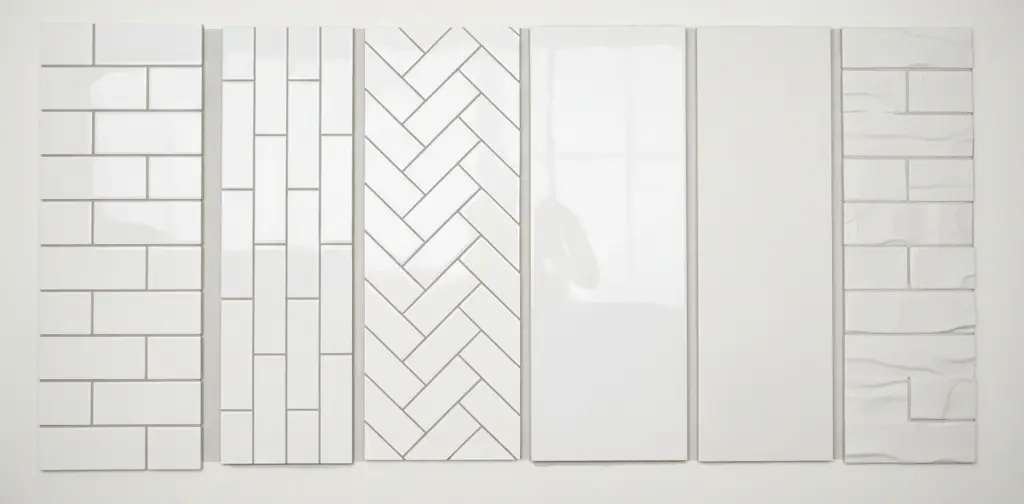
Once you have narrowed the field to two or three options, placing them directly side by side in the actual space is the most effective way to make a final call. Lay them flat on the same surface rather than propping them up separately or comparing them from photographs. Differences in undertone and texture that were not visible when each sample was evaluated on its own often become apparent immediately in a direct comparison.
At this stage, it can also help to step back and view the samples from a normal standing distance rather than close up. Materials are typically viewed at a distance in use, not examined closely, and a comparison that makes sense from a foot away may not be the same one that works at seven feet. This is particularly relevant for floor tile, where the overall visual weight and pattern of the material becomes clearer when viewed from a standing position.
If you are comparing materials for a large surface area, such as a kitchen floor or an open-plan living space, consider requesting additional samples or tiles to simulate a larger layout. Grout color also shifts the way a tile reads in a full installation, so it is worth including a grout sample in the side-by-side comparison if possible. You can browse tile and stone options in advance to shortlist materials before your visit.
Consider Maintenance Expectations Before the Final Choice
Sample comparisons should include a practical review of what each material requires over time. Two materials that look similar in a side-by-side comparison may have significantly different sealing schedules, cleaning requirements, and sensitivity to common household products.
Marble, for example, is calcium-based and reacts to acids. Lemon juice, vinegar, and some common cleaners can etch the surface over time, creating dull spots that are distinct from scratches. Quartzite, depending on the specific variety, is generally more resistant to etching but still benefits from sealing. Granite tends to be dense and requires less frequent sealing than marble in most applications.
Porcelain tile, as a porcelain-certified manufactured product with a fired surface, requires no sealing and resists most household chemicals. For high-use kitchens or households with young children, this lower maintenance profile is worth factoring into the final comparison even if a natural stone material is visually preferred.
Ask about care requirements at the time of sample pickup. Knowing what a material needs before you commit avoids surprises after installation.
Conclusion
Comparing samples thoroughly before committing to a material takes more time upfront, but it consistently leads to better outcomes. At Nova Tile and Stone, we encourage homeowners to take samples home, test them in real lighting conditions, and return with questions before making a final decision. Our Sacramento showroom carries a wide selection of natural stone, porcelain, and tile options, and our team is available to help you work through comparisons at any stage of the process. If you are starting a project, we recommend scheduling a visit so you can handle materials directly and see how different options interact with one another.
Frequently Asked Questions
Three to five samples per surface is a manageable range for most projects. This gives you enough variety to make meaningful comparisons without creating decision fatigue. Start by narrowing options based on fixed elements in the space, such as cabinet color and existing flooring, then bring those finalists home to evaluate in your specific lighting conditions.
Lighting is the primary factor. Showrooms typically use commercial lighting that differs from the natural light, recessed lighting, or vanity lighting in your home. Undertones that appear neutral under showroom fluorescents may read warmer or cooler in natural light. This is why bringing samples home and observing them throughout the day gives you a more accurate picture than evaluating them exclusively in the store.
For outdoor use in Sacramento, prioritize materials with low water absorption rates, ideally 0.5 percent or less, which qualifies as impervious under ANSI A137.1 standards. Materials in this range are less likely to crack or degrade through moisture intrusion and freeze-thaw cycles. For areas where barefoot traffic is expected, lighter-colored materials absorb less heat from Sacramento's intense summer sun, which affects comfort underfoot. Surface texture matters as well, since matte and textured finishes generally provide better traction when wet.
Yes, grout color significantly influences the overall appearance of a tile installation. A contrasting grout emphasizes the individual tile shapes and creates a more graphic look, while a closely matched grout blends the joints and makes the surface appear more continuous. When comparing tile samples, try to include a grout sample in the comparison, particularly for large-format tile or natural stone where the joint width and color will be more visible.
Yes. Marble is calcium carbonate and reacts chemically to acidic substances, including lemon juice, vinegar, and some cleaning products, which can etch the surface and leave dull marks over time. Quartzite is a metamorphic rock composed primarily of quartz, which is harder and more resistant to etching in most cases, though the specific composition varies by source. In kitchen applications where acidic spills are common, quartzite typically requires less maintenance than marble to maintain its appearance, though both materials benefit from periodic sealing.