Flooring and tile trends for Reno homes in 2026 include warm natural tones, large-format tile and wide-plank flooring, textured patterns like herringbone, and durable materials suited to dry, high desert conditions.
- Warm, natural tones: honey, caramel, chestnut, and soft oak replacing cool grays
- Large-format tile and wide-plank flooring: fewer seams, cleaner lines in open-concept spaces
- Textured patterns: herringbone and other structured layouts, especially in entryways and smaller rooms
- Climate-suited materials: engineered wood and waterproof LVP that hold up better in dry, low-humidity conditions
These trends move beyond national design cycles because Reno's climate, water, and housing stock change how well certain materials actually perform, not just how they look on install day. In a valley with low humidity, hard water, and a wide swing between summer heat and winter cold, the right flooring choice depends as much on the material underneath as the finish on top.
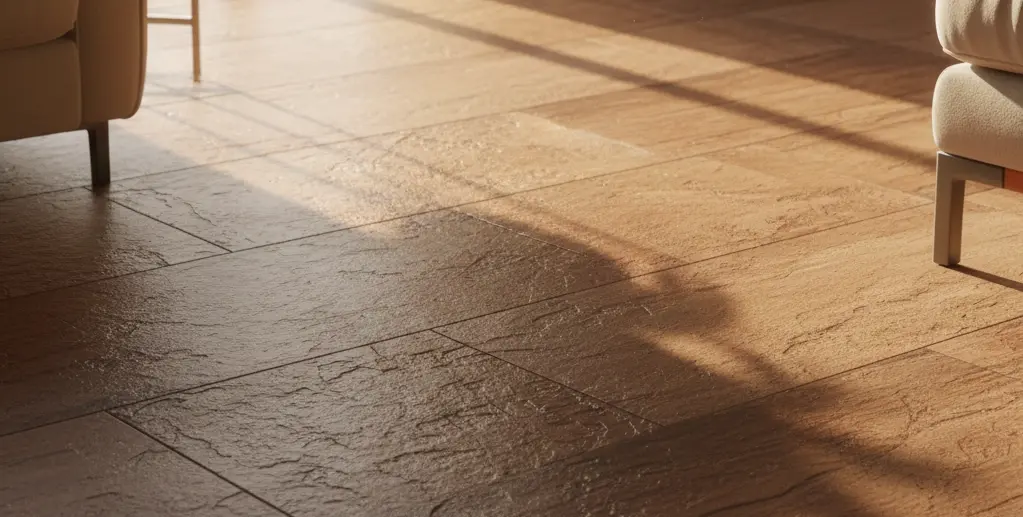
Warm, Natural Tones Are Replacing Cool Grays
After years of cool grays dominating interiors, homeowners are returning to warmer, richer tones like honey, caramel, chestnut, and softly weathered oak, according to design trend coverage from Forbes. This shift shows up across materials, not just hardwood. Warm neutrals in flooring pair naturally with clay, terracotta, and sage tones showing up elsewhere in the home, and they tend to work well for homeowners who like to change furniture or accent colors over time.
For Reno homes, this warmer palette tends to read particularly well against the valley's strong natural light and mountain views, especially in open-concept living spaces that face west toward the Sierra.
Large-Format Tile and Wide-Plank Flooring for Open Layouts
Wide-plank hardwood and large-format porcelain tile are expanding across main living areas, reducing seams and creating a cleaner, more expansive look. This works especially well in the kind of open-concept layouts common in newer Reno and Sparks construction, where continuous flooring helps tie kitchen, dining, and living spaces together.
Not every large-format trend is holding steady, though. Designers note that high-gloss, large-format porcelain floor tile is increasingly falling out of favor because it becomes difficult to maintain at that scale, even though the same glossy finish still works well on walls. Homeowners remodeling this year may want to stick with matte or honed large-format tile on floors and save the high-shine finishes for backsplashes or accent walls.
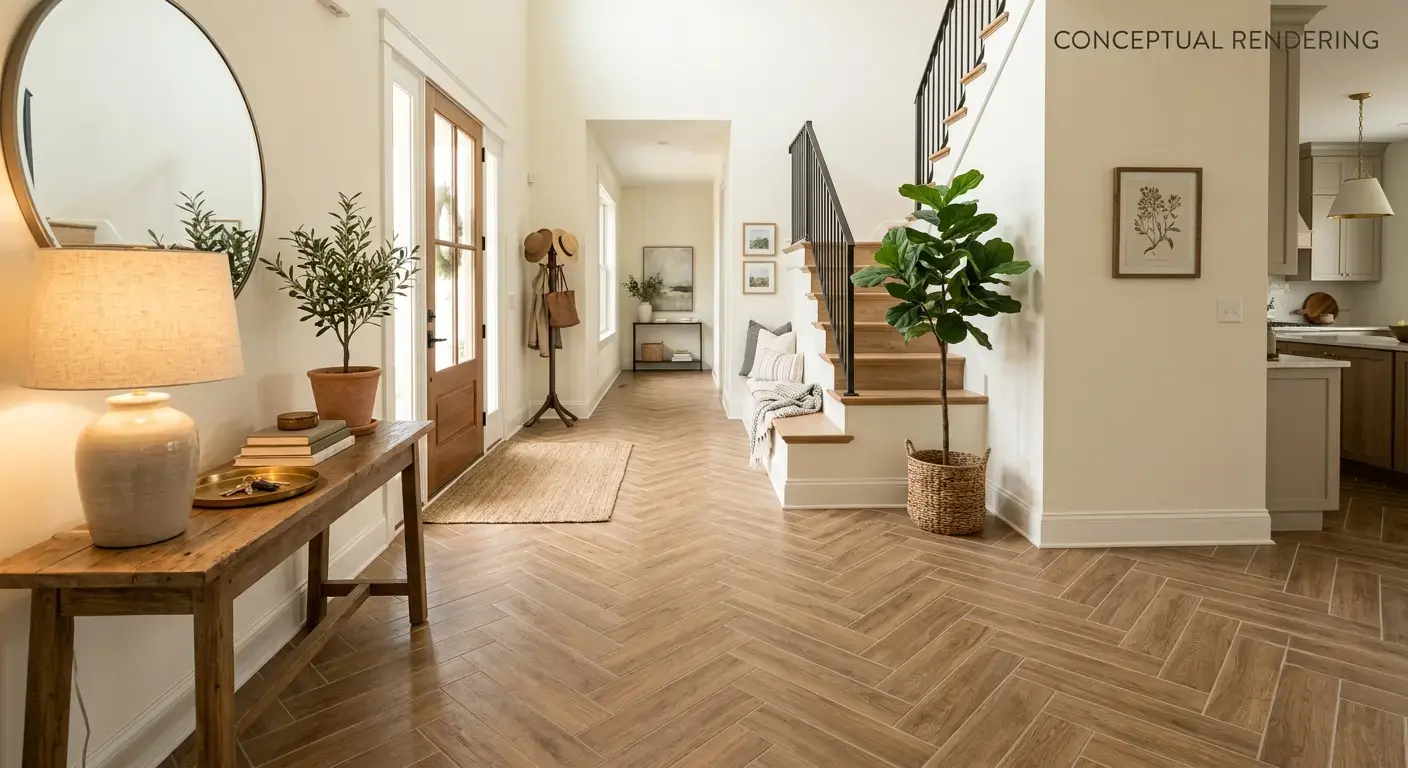
Textured Patterns Are Making a Comeback
Herringbone remains one of the most requested layout patterns in both residential and designer-led projects, adding structure and movement without overwhelming a room. Patterned tile is also moving beyond backsplashes, taking on a bigger role on floors themselves, especially in smaller spaces like entryways, laundry rooms, and half baths where a bolder pattern can add character without dominating the whole home.
That said, restraint matters. Full-room, bold-patterned flooring is losing momentum as homeowners who live with it daily find it harder to enjoy than it looks in photos, so many designers are steering toward quieter patterns with handmade texture instead. For a Reno entryway or mudroom that takes a beating from dust and snowmelt boots, a patterned tile in one contained space is a practical way to get the look without the maintenance headache of a full room.
Getting the color, format, and pattern right is only half the decision, though. The material underneath still has to hold up to Reno's climate, not just the room's foot traffic.
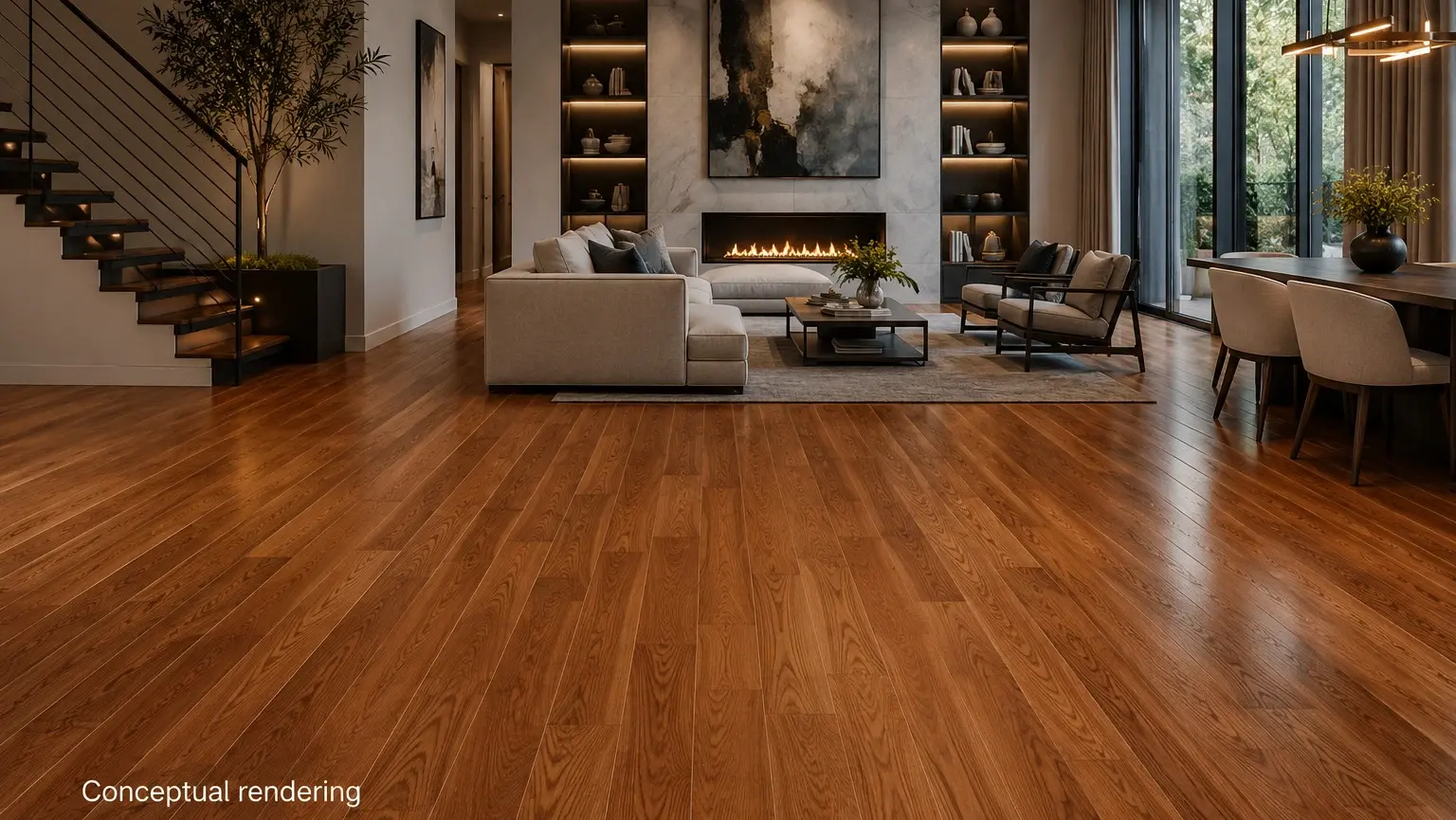
Why Engineered Wood and LVP Perform Better in Reno's Dry Climate
This is where Reno's geography actually changes the equation. Wood flooring is hygroscopic, meaning it absorbs and releases moisture based on the surrounding air. The National Wood Flooring Association generally recommends keeping indoor relative humidity in roughly the 30 to 55 percent range for wood floors to perform without issues like gapping, cupping, or cracking. Reno's high desert climate runs dry for most of the year, and indoor humidity drops even further during the winter heating season, which is exactly the kind of condition that stresses solid hardwood.
Wider planks are more affected by this than narrower ones, since more wood means more movement per board when humidity swings. For homes without whole-house humidification, engineered wood or waterproof LVP in wide-plank formats offers a practical way to get the popular wide-plank look this year without the seasonal gapping that solid hardwood can develop in a dry climate. Waterproof, scratch-resistant LVP has already become a leading choice for busy households, offering the look of hardwood with the durability that daily life demands.
Humidity isn't the only climate factor shaping material decisions in Reno this year. Air quality is becoming just as relevant.
Low-VOC Materials for Better Indoor Air During Smoke Season
VOCs, or volatile organic compounds, are chemicals released into the air from products like adhesives, sealants, and some flooring finishes. According to the U.S. Environmental Protection Agency, these compounds can affect indoor air quality, and low-VOC products are formulated to release significantly less of them than standard options.
Reno's wildfire smoke season has become a regular part of late summer in recent years, and it's changing how some homeowners think about indoor air quality, including flooring finishes. Waterborne finishes and sealers with no added stain or pigment are gaining interest from homeowners who want products that balance appearance, performance, and environmental impact. For a home that's sealed up tight during smoke advisories, finishes and adhesives with lower off-gassing are a small but meaningful detail, on top of the usual reasons to choose sustainable materials like cork or responsibly sourced hardwood.
Conclusion
Reno's flooring and tile trends for 2026 are less about chasing a single look and more about balancing style with what actually performs in a high desert climate. Warm tones, large-format tile, and wide-plank profiles are leading the way, but the materials underneath those looks matter just as much as the finish on top, especially in a valley with dry air, hard water, and a wide swing between summer heat and winter cold.
Whether you're leaning toward warm-toned engineered wood, large-format matte tile, or a patterned accent floor in the entryway, the right choice depends on how a material performs in your specific space, not just how it photographs. Nova Tile and Stone carries natural stone, quartz, sintered stone, porcelain, tile, hardwood, LVP, laminate, and carpet, so you can compare samples side by side before committing to a room.
Nova Tile and Stone
12835 Old Virginia Rd, Suite 24, Reno, NV 89521
(775) 331-6682
Visit our Reno showroom to see samples of this year's trending finishes in person.
Frequently Asked Questions
Yes, in most cases. Warm floors tend to balance cool quartz or marble-look countertops rather than clash with them, since the contrast reads as intentional layering. The transition works best when at least one other warm element, like cabinetry hardware or lighting, ties the two together.
They can carry a modest premium, particularly for waterborne wood finishes, but the difference is usually smaller than the price gap between material types like hardwood versus LVP. Improved indoor air quality is the main tradeoff, not a significant cost jump.
Engineered wood generally can't be refinished as many times as solid hardwood, since its wear layer is thinner. In a dry climate, though, it often looks better over time day to day because it resists the seasonal gapping and cupping that solid wood is more prone to.
Bring a full-size sample home rather than relying on a small swatch, and view it in the room's actual lighting at different times of day. Large-format tile and wide-plank flooring in particular can look different at full scale than they do in a small sample.
Mostly a style choice. Patterned tile performs the same as any other tile of the same material, so the decision comes down to how much visual pattern a space can handle rather than any climate-specific durability concern.
Note: Some images on this page may be conceptual renderings created to illustrate design possibilities and may not depict actual installations.