Minden, Nevada sits in Carson Valley between the Sierra
Nevada and the Pinenut Range, a region where homes range from ranch-style
properties along the Carson River to newer builds in communities like Skyline
Ranch and Saratoga Springs. For homeowners in Douglas County and the
surrounding area, renovation decisions often involve choosing between a range
of countertop materials, including granite, quartzite, quartz, porcelain slabs,
sintered stone, and pre-fabricated options, as well as flooring materials such
as hardwood, luxury vinyl plank, laminate, carpet, and tile for walls and
floors.
Each material has distinct characteristics that affect how it looks,
how it performs in daily use, and how much upkeep it requires over time. This
guide covers the main options across both categories to help homeowners in
Minden and the greater Carson Valley area compare materials before making a
decision.
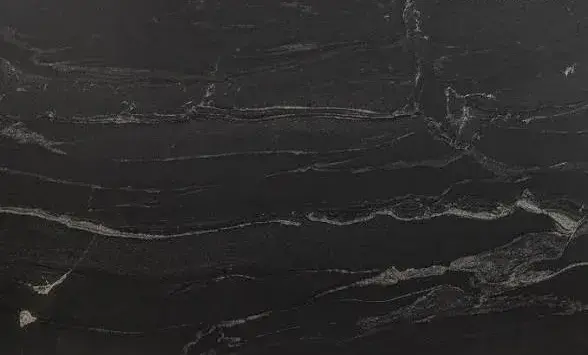
NATURAL
Granite
Dense
igneous stone with one-of-a-kind mineral variation.
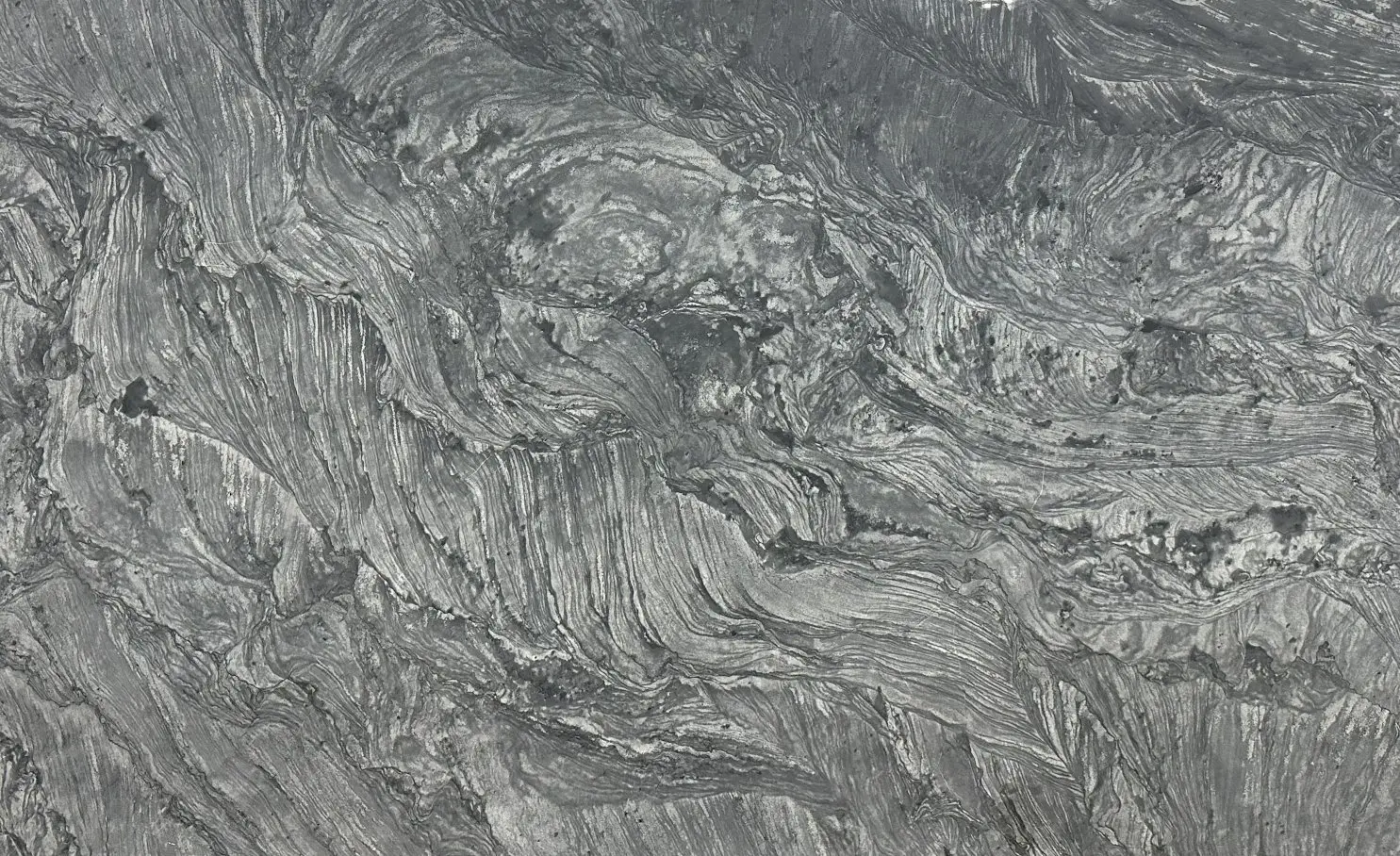
NATURAL
Quartzite
Hard
metamorphic rock with soft, marble-like movement.
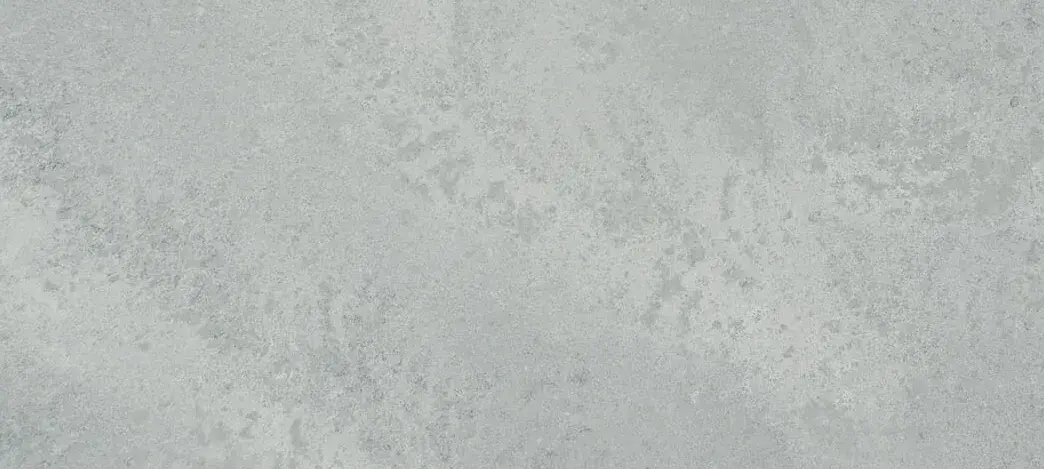
ENGINEERED
Quartz
Non-porous,
consistent, and low-maintenance by design.
What Sets Granite Apart
Granite has been a staple in residential kitchens and bathrooms for decades, and with good reason. It is a natural igneous rock formed deep within the earth, which gives it a dense, crystalline structure that tends to hold up well in high-use areas. Each slab carries unique mineral variation in tone and pattern, meaning no two installations look exactly the same.
The material is generally considered durable, but like all natural stone, proper sealing and maintenance play a significant role in how it performs over time. The Natural Stone Institute notes that sealing frequency depends on the stone's porosity and the finish applied. Granite can handle normal kitchen activity, but it is worth noting that cutting directly on the surface is not recommended, and spills should be cleaned up without letting them sit. Its finish can resist everyday wear, but long-term performance will depend on how consistently it is cared for.
For Carson Valley homeowners who appreciate natural materials and want a countertop with depth and character, granite remains a strong consideration. It tends to work well in both traditional and more rustic interiors, which makes it a natural fit for the architectural style found throughout Douglas County.
Granite is often grouped alongside other natural stone slabs such as marble, dolomite, and soapstone, each of which has its own tonal character and maintenance considerations worth comparing when narrowing down a selection.
Understanding Quartzite
Quartzite is often misunderstood because its name is so close to quartz, but the two materials are very different. Quartzite is a metamorphic rock, formed when sandstone undergoes intense heat and pressure beneath the earth's surface. The result is a dense, hard stone with a visual quality that many homeowners find striking, often featuring soft movement and veining that resembles marble but with different performance characteristics.
Quartzite is generally known for strong surface hardness. It tends to be less prone to scratching than some other natural stones, which makes it a practical choice for kitchens where the countertop sees daily activity. That said, the surface is not impervious, and cutting directly on quartzite is still not advised. Sealing is also important, as quartzite is still a porous material and can absorb liquids when left unprotected.
One of the reasons quartzite has grown in popularity is its appearance. The tonal range, from soft whites and creams to warm grays and golds, suits the kind of neutral, light-filled interiors that many Minden homeowners are drawn to, especially in newer builds with mountain views and open layouts.
For anyone weighing quartzite against granite, both materials have genuine strengths. The deciding factor is often the specific slab, the room it is going into, and how that household tends to use the surface day to day.
What Quartz Brings to the Table
Quartz countertops are engineered rather than quarried, made by combining crushed quartz mineral with resins and pigments under high pressure. The process produces a surface that is non-porous by design, which means it does not require sealing and is less susceptible to staining from everyday spills. That characteristic alone makes quartz an appealing option for busy kitchens and family bathrooms.
Because quartz is manufactured, the color and pattern are consistent across the slab. This can be an advantage when matching materials across a large kitchen or coordinating with specific cabinetry or flooring. The range of available appearances has expanded significantly, with options that closely mimic the look of marble, concrete, and natural stone.
Quartz is durable, but it is worth knowing that prolonged exposure to direct sunlight can affect certain finishes over time. Very high heat can also be problematic, so trivets are still a practical habit at the countertop. The surface is strong, but edges and corners benefit from extra care during daily use.
For homeowners who prioritize low maintenance alongside a clean, refined look, quartz is often a practical and visually satisfying choice.
AT A GLANCE | Granite | Quartzite | Quartz |
Origin | Natural igneous | Natural metamorphic | Engineered |
Sealing | Porous, seal it | Porous, seal it | None needed |
Scratch resistance | Good | Excellent | Very good |
Best for | Character-rich kitchen | Light, marble-look spaces | Busy, low-fuss kitchens |
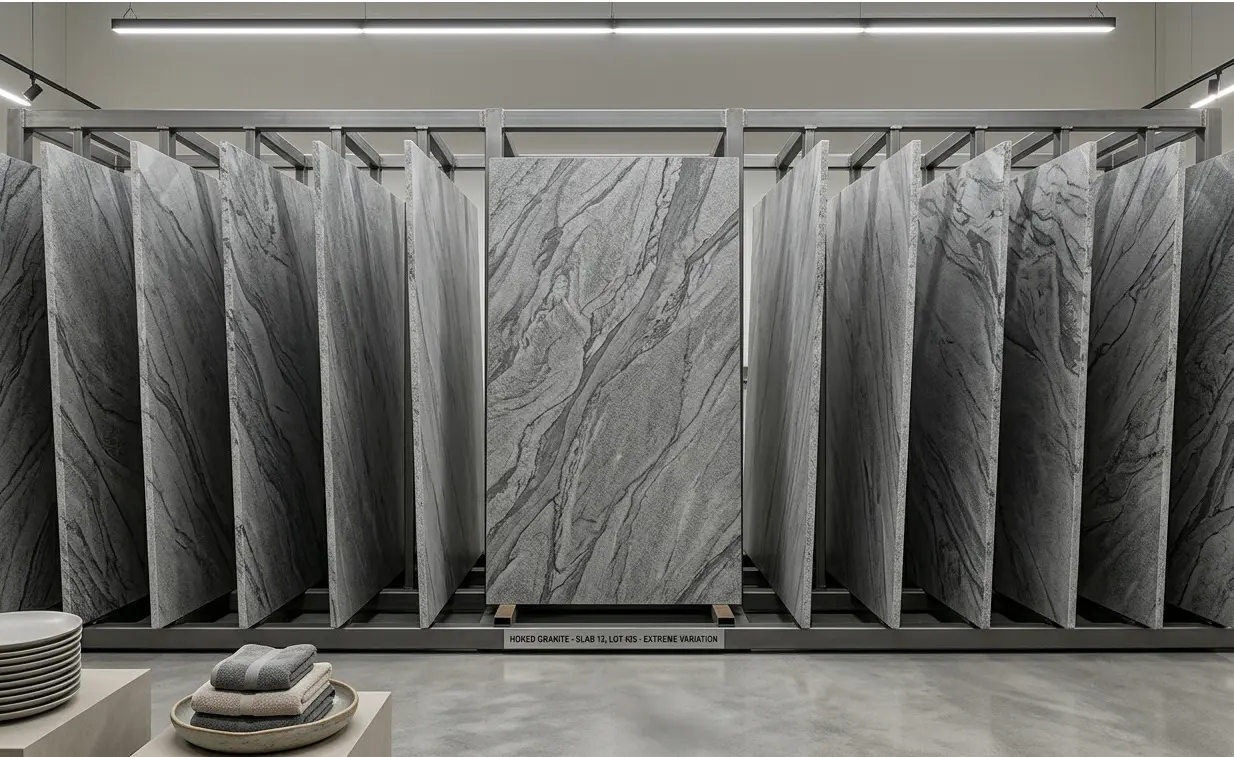
A slab that looks warm and golden on a screen can read cooler and grayer in natural light, which is why seeing it in person matters.
Porcelain Slabs, Sintered Stone, and Pre-Fabricated Options
Beyond the natural and engineered stone categories, there are additional countertop formats worth knowing about, particularly for homeowners who want something with a very specific performance profile or a tighter project timeline.
Porcelain slabs have become increasingly relevant in kitchen and bathroom design. They are fired at high temperatures, which produces a surface that is non-porous and generally resistant to staining, moisture, and UV exposure. Porcelain is suitable for both indoor and outdoor applications, but correct installation is essential to its long-term performance. The material is strong, but edges and corners require extra care given the nature of the fired composition.
Sintered stone is a related category, produced by applying extreme heat and pressure to raw mineral materials without the use of resins or binders. The result is a dense, compact surface that tends to perform well in high-use environments. Like porcelain, it is non-porous, but regular cleaning is still recommended to keep the surface looking its best. Each application should be evaluated individually to confirm the right thickness and finish for the intended use.
Pre-fabricated countertops offer a different kind of value, particularly for renovations where a quicker turnaround is a priority. These are cut and finished in standard dimensions, which can reduce lead time compared to custom slab work. They come in a range of materials and finishes, making them a practical consideration when the project scope calls for efficiency alongside a quality result.
Large-format porcelain slabs are also increasingly used as feature wall cladding and outdoor surfaces, given their resistance to moisture and UV exposure when properly specified for the application.
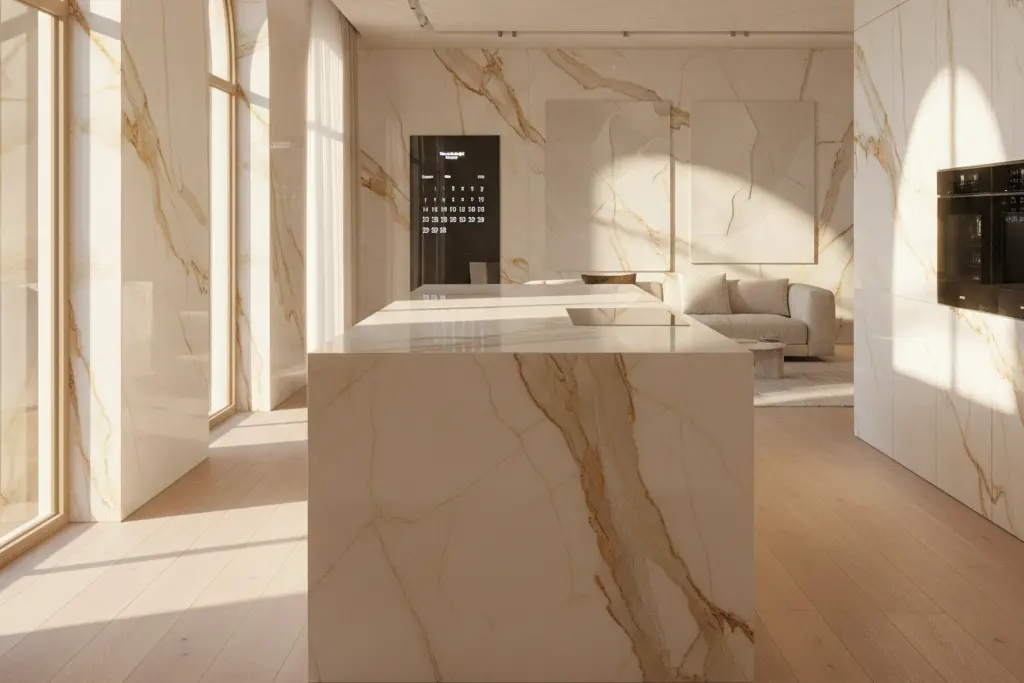
Porcelain Slab
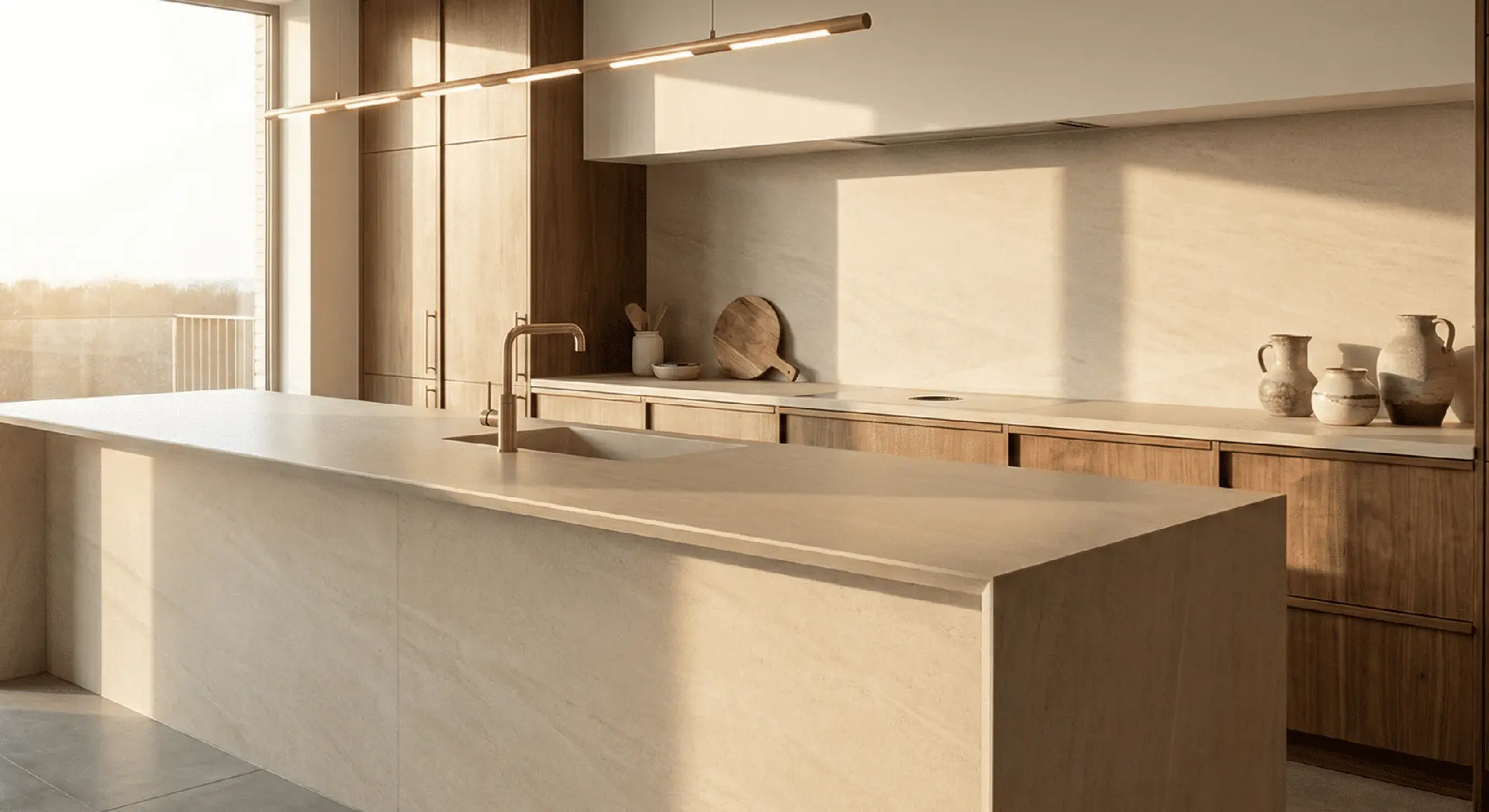
Sintered Stone
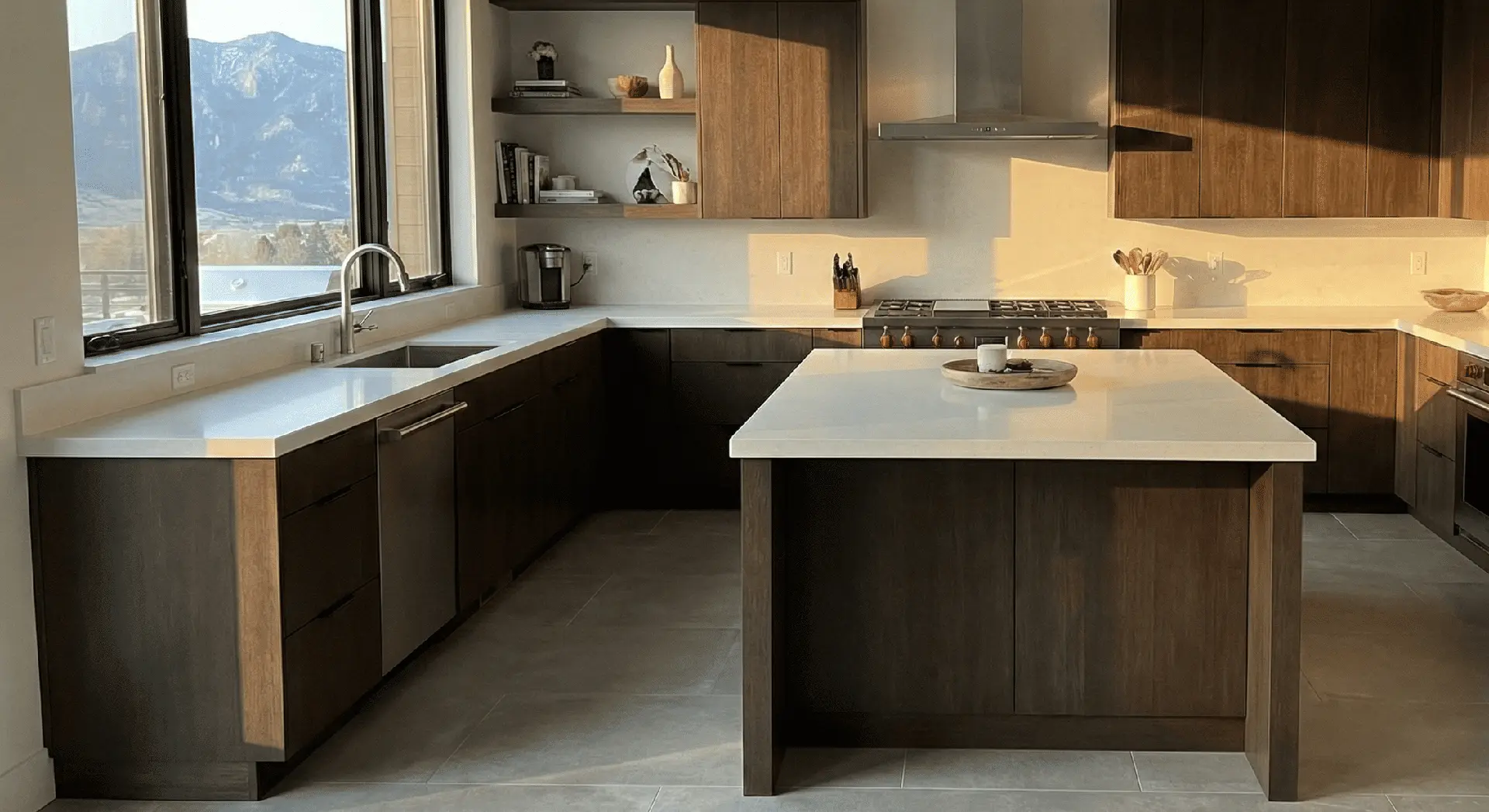
Pre-fabricated
Note: Some images on this page may be conceptual renderings created to illustrate design possibilities and may not depict actual installations.
Flooring and Wall Materials Worth Considering
Countertop selection is often the focal point of a renovation, but the floors and walls carry just as much visual weight. In Carson Valley homes, where natural light tends to be generous and outdoor views are often part of the interior experience, flooring choices can significantly shape the feeling of a room.
Hardwood remains a popular option for living areas and bedrooms, offering warmth and a sense of permanence that works well in the homes found throughout Minden and Gardnerville. The National Wood Flooring Association recommends factoring in subfloor conditions and humidity levels when selecting between solid and engineered hardwood formats, as each responds differently to moisture and temperature changes over time.
Luxury vinyl plank has grown considerably in appeal among homeowners renovating bathrooms, kitchens, and laundry areas. It offers practical durability in rooms that see moisture and heavy foot traffic, and it comes in wood-look and tile-look finishes that support a cohesive design across different rooms. It is easy to maintain, but harsh cleaning products should be avoided to preserve the finish over time.
Laminate is another floor covering worth considering, particularly for living areas, bedrooms, and offices where a wood-look aesthetic is desired at a practical scale. Modern laminate has improved considerably in terms of texture and finish quality, and it is available in both residential and commercial grades. The material is built for lasting use, but each application should be evaluated individually based on foot traffic and moisture exposure.
Carpet is a strong choice for bedrooms and lower-traffic spaces where comfort and acoustic softness matter. It is available in a range of styles, from plush and textured to loop and patterned formats, and in both stain-resistant and eco-friendly fiber options. The material offers good resistance to wear, but long-term performance depends on maintenance and the specific fiber type selected.
For wall applications, tile remains a versatile choice. Porcelain and ceramic formats offer a wide range in size, texture, and finish, from large-format panels that give a bathroom a seamless appearance to smaller mosaic patterns suited to accent walls and shower niches.
Exterior stone veneer deserves specific mention for Minden homeowners, given how much outdoor living is part of life in the Carson Valley. Whether for a patio feature wall, an outdoor fireplace surround, or an entryway cladding, stone veneer can bridge the natural landscape of the region with the built environment of the home. It is suitable for outdoor use, but installation must match the specific application and climate conditions to perform as intended.
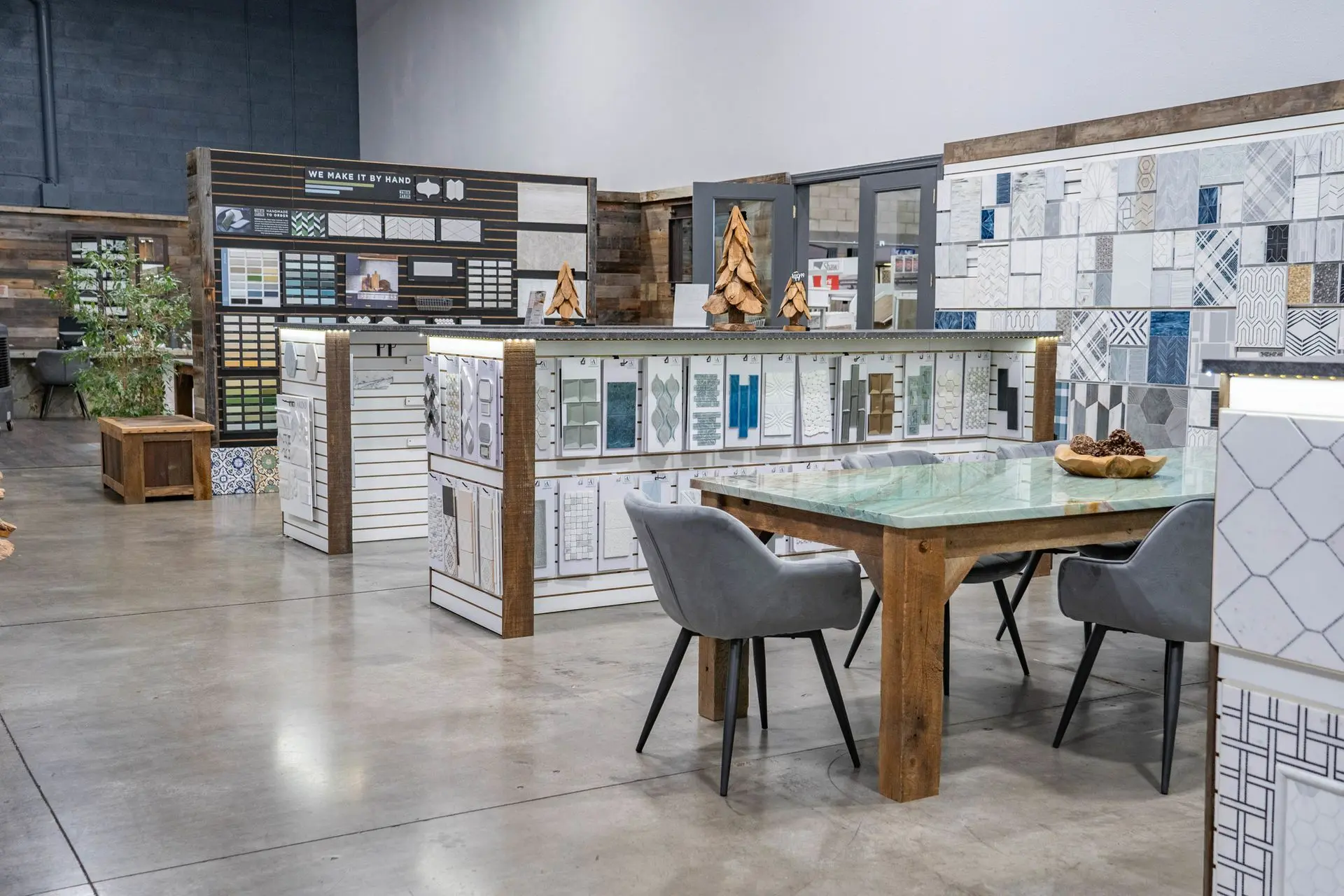
Seeing tile
formats side by side helps clarify scale differences that are difficult to
judge from individual product photos, particularly when choosing between
large-format and smaller mosaic options for the same room. The Tile Council of North America publishes
installation guidelines that cover grout joint sizing, substrate preparation,
and format-specific considerations that affect how different tile types perform
in residential applications.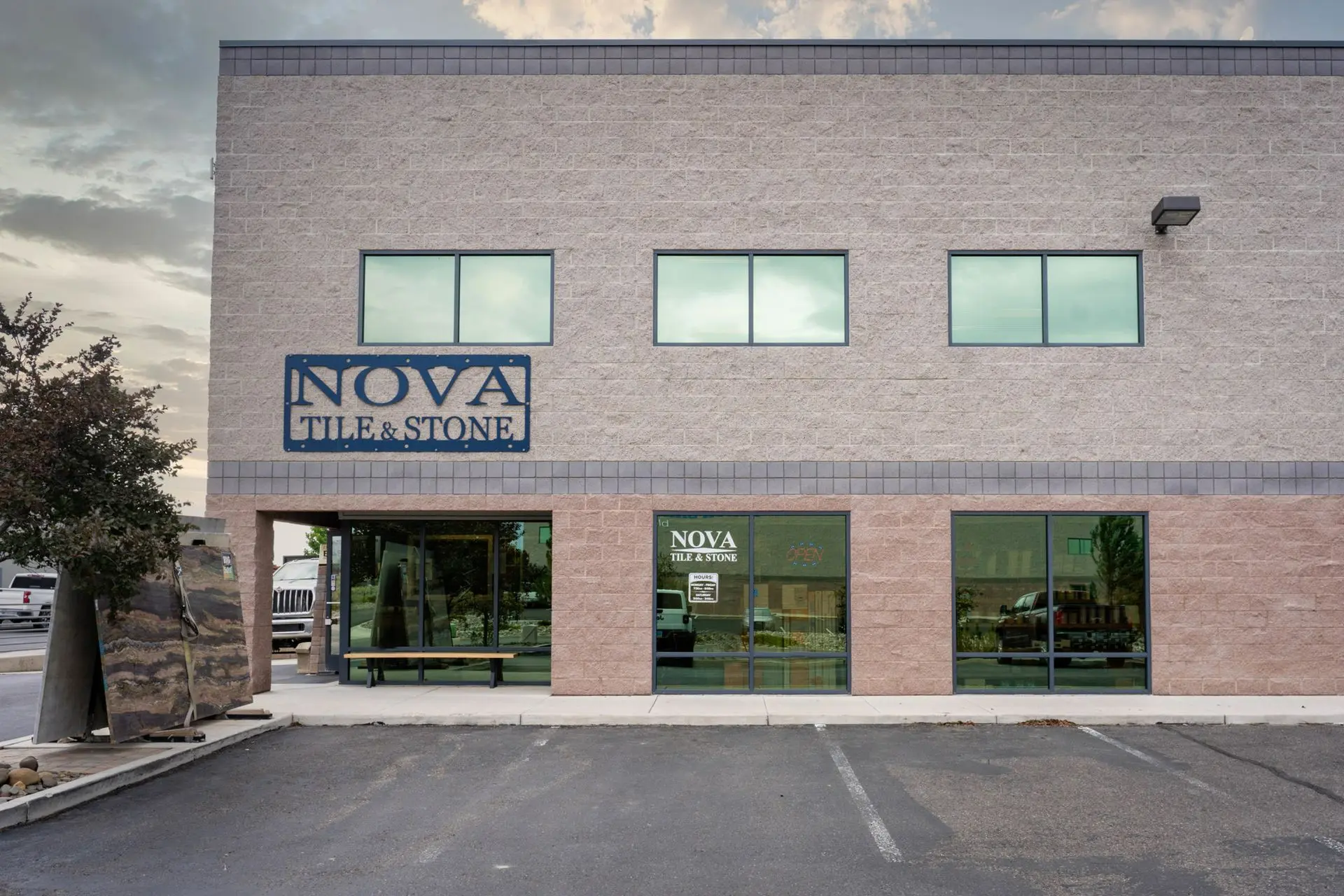
What to Expect When Visiting a Showroom
There are practical reasons why many homeowners choose to see materials in person before committing to a selection. Surface finishes, tonal variation, and veining read very differently under showroom lighting compared to product photography. A slab that appears warm and golden on a screen might read cooler and more gray in natural light, and a tile that looks small in an image can feel completely different when a full panel is visible.
The Minden showroom on Business Pkwy serves homeowners throughout Douglas County, Gardnerville, Genoa, Carson City, South Lake Tahoe, and the surrounding region. It carries natural stone slabs, quartz, porcelain, sintered stone, pre-fabricated countertops, tile, hardwood, LVP, laminate, carpet, and exterior stone veneer, which means countertop and flooring decisions can be compared in the same visit rather than across separate suppliers.
Free design consultations are available with no sales commission involved, so conversations tend to focus on what suits the project rather than what is most expensive. A free sample program also lets visitors take materials home to see how they look in the actual space, under the lighting conditions that will be present every day.
For trade professionals handling projects in the region, a trade account
gives access to project estimators, competitive pricing, and scheduled job site
delivery.
Conclusion
Choosing between countertop and flooring materials is rarely
a single decision. It involves weighing how a space gets used, how much
maintenance is realistic, how materials interact with the light in a specific
room, and how different surfaces work together across a renovation. Granite,
quartzite, and quartz each have characteristics that suit different households
and different rooms.
Porcelain, sintered stone, and pre-fabricated options add
further alternatives depending on the project's scope and timeline. Flooring
choices, from hardwood and laminate to LVP and carpet, shape the feel of a home
just as much as what goes on the counters. Taking time to compare materials,
hold samples in the actual space, and think through the long-term maintenance
of each option tends to lead to decisions that hold up well beyond the
renovation itself.
Frequently Asked Questions
Quartzite is a natural metamorphic rock that is quarried from the earth, while quartz countertops are engineered from crushed quartz mineral combined with resins and pigments. Quartzite requires sealing because it is porous, whereas engineered quartz is non-porous by design and does not require regular sealing.
Granite remains a widely used and respected option for kitchen countertops. It is durable, has natural character that varies from slab to slab, and can perform well over time when properly sealed and maintained. Spills should be cleaned promptly, and cutting directly on the surface is not recommended.
Quartz tends to perform reliably in bathrooms because its non-porous surface resists moisture and makes daily cleaning straightforward. It is a practical choice for vanities and shower surrounds, though care should be taken with the edges and corners, and prolonged sun exposure through windows may affect certain finishes.
Hardwood, engineered hardwood, LVP, laminate, tile, and carpet are all commonly used in homes throughout the Carson Valley area. The right choice depends on the room, the expected foot traffic, moisture conditions, and the overall design direction. LVP and tile are often favored in kitchens and bathrooms, while hardwood and carpet are popular in living areas and bedrooms.
Yes. A free sample program is available at the Minden showroom, allowing visitors to take materials home and evaluate how they look in the specific lighting and context of the space being renovated. This is often one of the most useful steps in the selection process before making a final decision.