Older Sacramento homes, such as Victorians in Midtown and Craftsman bungalows in Land Park, generally suit smaller-format tile, warmer tones, and natural stone with organic veining that complements original trim and plaster details. Newer construction in areas like Natomas and South Sacramento typically works better with large-format tile, cooler neutral palettes, and bolder stone veining that fits open floor plans and taller ceilings. The right choice comes down to a home's age, room proportions, existing trim color, and how much natural light the space gets.
Why Sacramento's Mixed Architecture Matters
Few cities in Northern California show as much contrast block to block as Sacramento. A single afternoon of house hunting might include a Victorian in Midtown, a Craftsman bungalow in Land Park, and a two-year-old build in Natomas. Each of these homes was designed around different proportions, ceiling heights, window styles, and trim details, and tile or stone that looks natural in one can look out of place in another.
This isn't just an aesthetic concern. Older homes often have smaller bathrooms, narrower hallways, and lower ceilings than newer construction, which affects how tile size and pattern read in the space. Newer homes tend to have open floor plans and larger rooms, where bigger formats and bolder veining can be used without overwhelming the space. Matching material scale to home scale is one of the details we pay close attention to across our full range of tile, stone, and countertop surfaces.
Tile and Stone for Older Sacramento Homes
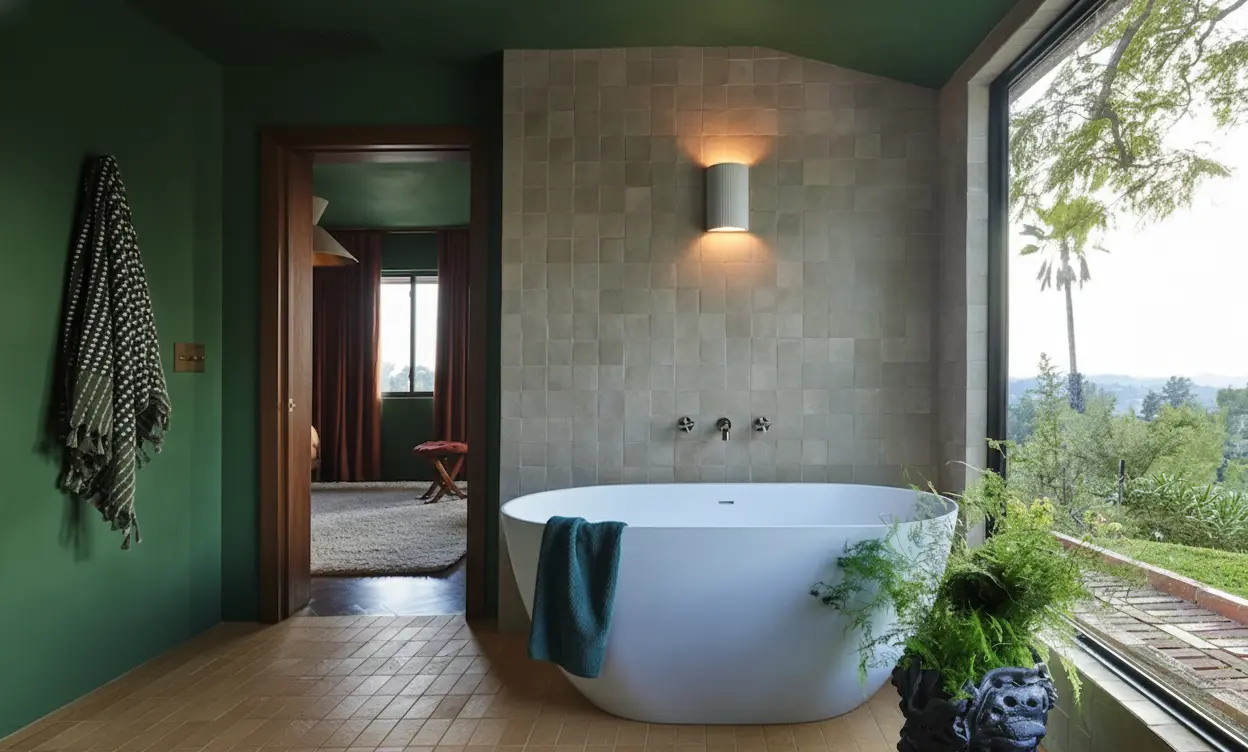
Homes in neighborhoods like Midtown, East Sacramento, and Land Park were largely built between the late 1800s and the 1940s. These homes typically feature detailed trim work, plaster walls, and a more traditional room layout. In our experience, materials that complement this style tend to share a few characteristics.
Smaller-format tile works well in these homes because it echoes the proportions of original hardware, fixtures, and trim. Classic subway tile, hexagon mosaics, and penny rounds are common choices for kitchens and bathrooms in older properties because they reflect design patterns that were already popular when many of these homes were built. Tile dimensions, thickness, and quality for these formats are governed by ANSI's ceramic tile specifications, which homeowners can reference when comparing products from different manufacturers.
Muted, warmer tones also tend to suit older interiors better than stark white or cool gray palettes. Cream, soft beige, and warm gray tile colors pair naturally with the wood trim, plaster, and vintage hardware found in many pre-1940s Sacramento homes. Browsing tile options online is a useful first step for narrowing down colors before comparing physical samples.
Natural stone with visible veining or texture, such as travertine or certain marbles, can work well in these settings when the goal is a period-appropriate but updated look. The key is choosing a stone with movement that feels organic rather than a busy, high-contrast pattern that reads as distinctly modern. Checking current slab inventory ahead of time can help homeowners see what natural movement and coloring is actually available before visiting in person.
Smaller-scale patterns, like herringbone or basketweave, also tend to fit older homes more naturally than large geometric tile layouts, which can feel disconnected from a home's original character.
Tile and Stone for Newer Sacramento Construction
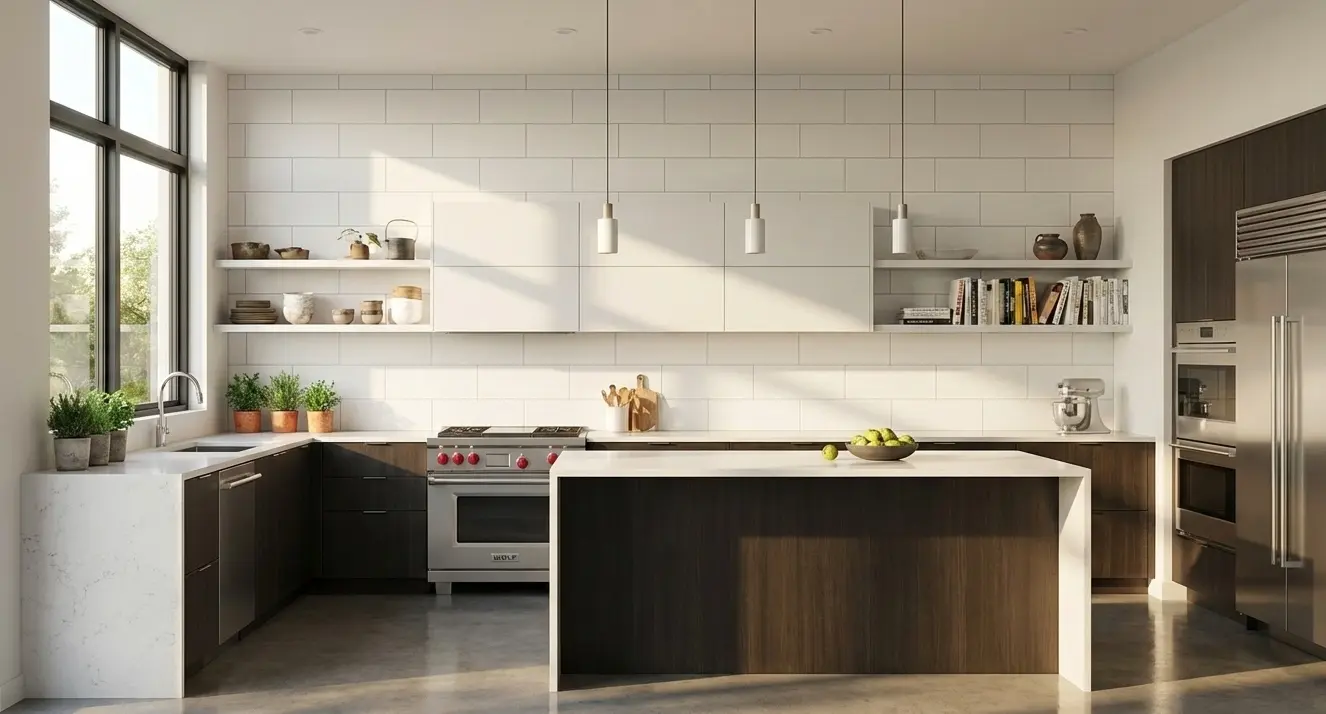
Newer developments in areas like Natomas, South Sacramento, and parts of Elk Grove typically feature open-concept layouts, taller ceilings, and larger windows. These homes generally have more square footage to work with, which changes what looks proportionate.
Large-format tile, often 24 by 24 inches or bigger, tends to suit these spaces well. Fewer grout lines create a cleaner, more contemporary look that matches the simplified trim and finish details common in newer construction. A 12x24 slate-look porcelain tile is one example of a large-format option that suits this kind of open layout while still offering a natural stone appearance.
Cooler, more neutral tones are frequently used in newer homes, including whites, grays, and greige shades. These colors tend to pair naturally with the matte black or brushed nickel fixtures commonly installed in newer builds.
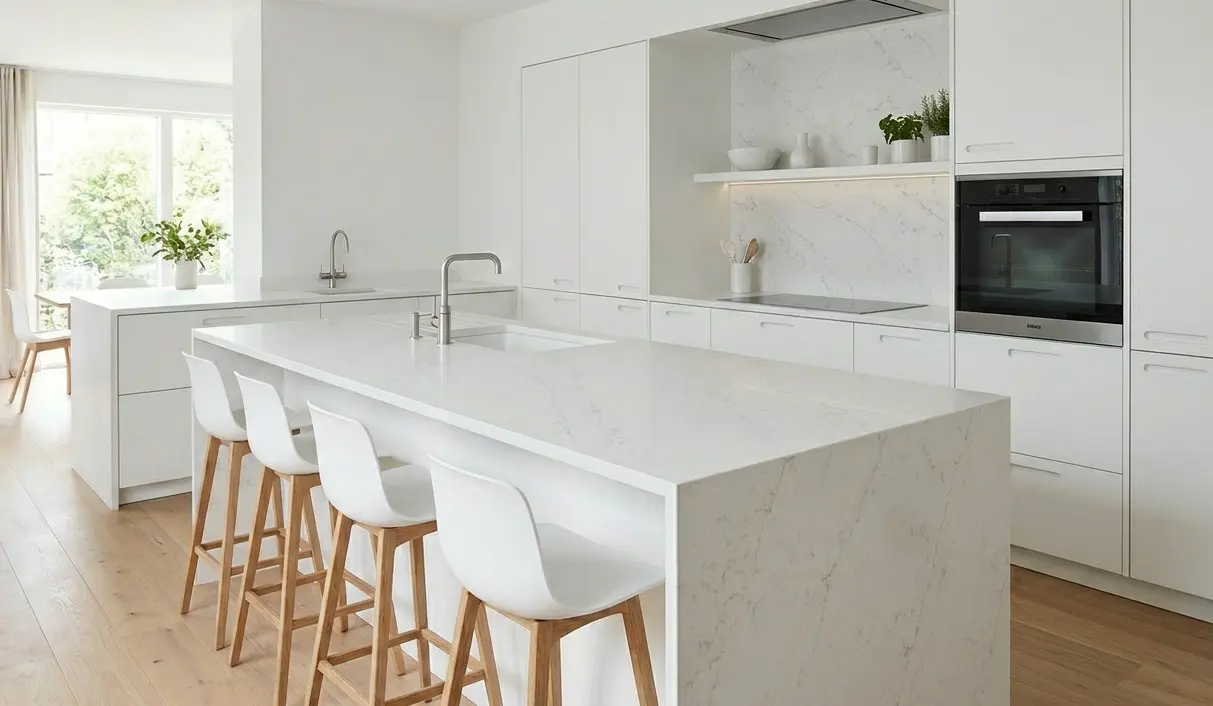
Bold veining in natural stone or quartzite reads well in open floor plans with more visual space to absorb dramatic patterns. A waterfall island or a full slab backsplash, for example, tends to suit a newer, more open kitchen better than a smaller, compartmentalized one.
Wood-look porcelain plank tile has also become a common choice in newer Sacramento homes, offering the visual character of hardwood with the practical maintenance profile of porcelain, which fits the expectations often associated with newer construction. Because not all tile labeled porcelain actually meets the technical requirements for it, checking for independent porcelain certification can help confirm a product's actual performance characteristics.
Materials That Work Across Both Eras
Some tile and stone choices are versatile enough to suit both older and newer Sacramento homes, provided the layout and color are adjusted appropriately.
Neutral marble and quartzite can work in either setting. In an older home, a softer-veined slab with warm undertones tends to blend in naturally. In a newer home, a higher-contrast slab with more dramatic movement can serve as a focal point. Design trends for both traditional and contemporary spaces are often previewed at industry gatherings such as The International Surface Event, where architects and designers explore new materials before they reach the wider market.
Classic subway tile also translates well across eras when the size and layout are adjusted. A smaller subway tile in a traditional running bond pattern suits an older bathroom, while a larger-format subway tile in a vertical stack or herringbone layout can look current in a newer build.
Natural stone flooring, such as travertine or limestone, tends to suit both older and newer architectural styles because its texture and coloring are not closely tied to a specific design trend.
Matching Materials to a Home's Existing Details
Beyond overall style, a few practical factors help narrow down the right tile or stone for a specific Sacramento home.
Ceiling height and room size affect how tile scale reads. A large-format tile in a small, low-ceilinged bathroom from an older home can visually shrink the space, while a very small mosaic tile in a large, open new-construction bathroom can look busy and disproportionate.
Existing trim and cabinetry color should guide undertones. Homes with original wood trim tend to pair better with warmer tile and stone tones, while homes with painted white or gray trim tend to suit cooler-toned materials.
Natural light also plays a role. Older Sacramento homes, particularly bungalows and Craftsman-style houses, often have smaller windows and less natural light than newer construction. Lighter tile and stone colors can help balance a room that doesn't receive much daylight, while a well-lit newer home has more flexibility to use darker tones without feeling closed in.
Bringing Samples Into the Actual Space
Because lighting, existing finishes, and room proportions vary so much across Sacramento's older and newer homes, we always encourage viewing samples in the actual space before finalizing a choice. A tile or stone that looks right under showroom lighting can read differently under a home's natural light, especially in older homes with north-facing windows or covered porches that limit direct sun.
Our Sacramento showroom serves homeowners throughout the region, including Elk Grove, Folsom, Davis, and the surrounding Sacramento Valley, and is a good starting point for comparing tile and stone samples before bringing them home. Homeowners can also book a free design consultation to walk through options in person with guidance based on their home's age and layout. Bringing along photos of existing trim, cabinetry, and flooring when comparing samples also helps confirm that undertones will coordinate rather than clash once installed.
Conclusion
Sacramento's architectural range, from early twentieth-century Victorians and bungalows to brand-new builds in Natomas, means there isn't a single tile or stone choice that works everywhere in the city. Older homes generally benefit from smaller-format tile, warmer tones, and natural stone with organic movement, while newer construction tends to suit larger formats, cooler palettes, and bolder veining. Some materials, like neutral marble, quartzite, and classic subway tile, can bridge both styles when sized and colored appropriately. Taking a home's age, proportions, and existing finishes into account before choosing tile or stone helps ensure the final result feels intentional rather than mismatched. Homeowners in Sacramento and the surrounding area are welcome to explore these options in person, or reach out with any questions before starting a project.
Frequently Asked Questions
Generally, yes. Older homes with smaller rooms and lower ceilings tend to suit smaller-format tile, while newer homes with more open layouts can accommodate larger formats without feeling out of proportion.
Yes. A softer-veined, warm-toned stone tends to suit older homes, while a higher-contrast, more dramatic stone works well as a focal point in newer, more open spaces.
Warmer tones, such as cream, beige, and warm gray, tend to coordinate more naturally with original wood trim and vintage hardware than stark white or cool-toned tile.
It can be, but it depends on the room. Large-format tile tends to work better in larger, more open spaces, so it should be used carefully in smaller rooms typical of older homes to avoid overwhelming the proportions.
Homes with less natural light, which is common in older bungalows with smaller windows, often benefit from lighter tile and stone tones to help balance the space, while well-lit newer homes have more flexibility with darker colors.