The best carpet for a home in Virginia City Highlands, NV is a solution-dyed nylon with static-control fibers, installed over a dense rebond pad rated 8 pounds or higher. This combination holds up best against the area's dry, high-desert climate, wide seasonal temperature swings, and the dirt and gravel common on rural acreage properties with unpaved driveways. Solution-dyed nylon resists fading from the added UV exposure at this elevation and stands up to abrasive grit better than wool or polyester, while static-control treatment addresses the low humidity that makes static shock a common winter complaint at this elevation. The sections below explain why each of these choices matters and where carpet fits best within a home in this community, and where a hard-surface alternative makes more sense instead.
Understanding the High Desert Climate in Virginia City Highlands
Virginia City Highlands sits at roughly 6,000 feet in Storey County, well above Reno's elevation, on the Virginia Range plateau above the historic town of Virginia City. That elevation shapes almost everything about how flooring performs here. The climate is classified as semi-arid, meaning low humidity year-round, with hot, dry summers and cold winters that bring real snowfall rather than the occasional dusting seen closer to Reno. Because the community is made up of custom homes spread across large acreage parcels, many properties are also on unpaved or gravel access roads, which introduces a factor that a typical suburban buyer's guide doesn't usually need to account for: dirt, dust, and fine gravel getting tracked indoors on a regular basis.
These conditions interact with carpet in three main ways:
- Static electricity. Carpet fiber holds a static charge more easily when the surrounding air is dry, and because humidity at this elevation is naturally low for most of the year, static buildup in winter tends to be more noticeable here than in a lower, wetter climate.
- Ultraviolet exposure. Homes at higher elevation receive more direct sun exposure than homes at valley elevation, which can fade untreated carpet fibers faster over time, particularly in south-facing rooms with large windows.
- Thermal performance. Carpet naturally insulates better than tile, hardwood, or luxury vinyl against a cold sub-floor, which is a genuine advantage in a community that sees real winter cold rather than the milder winters found in Reno's lower neighborhoods.
None of this means carpet is a poor choice for the area. It means the fiber, treatment, and placement decisions matter more here than they would in a milder, lower-elevation home. With those three effects in mind, the next question is which fiber actually stands up to them best.
Best Carpet Fiber for Virginia City Highlands Homes
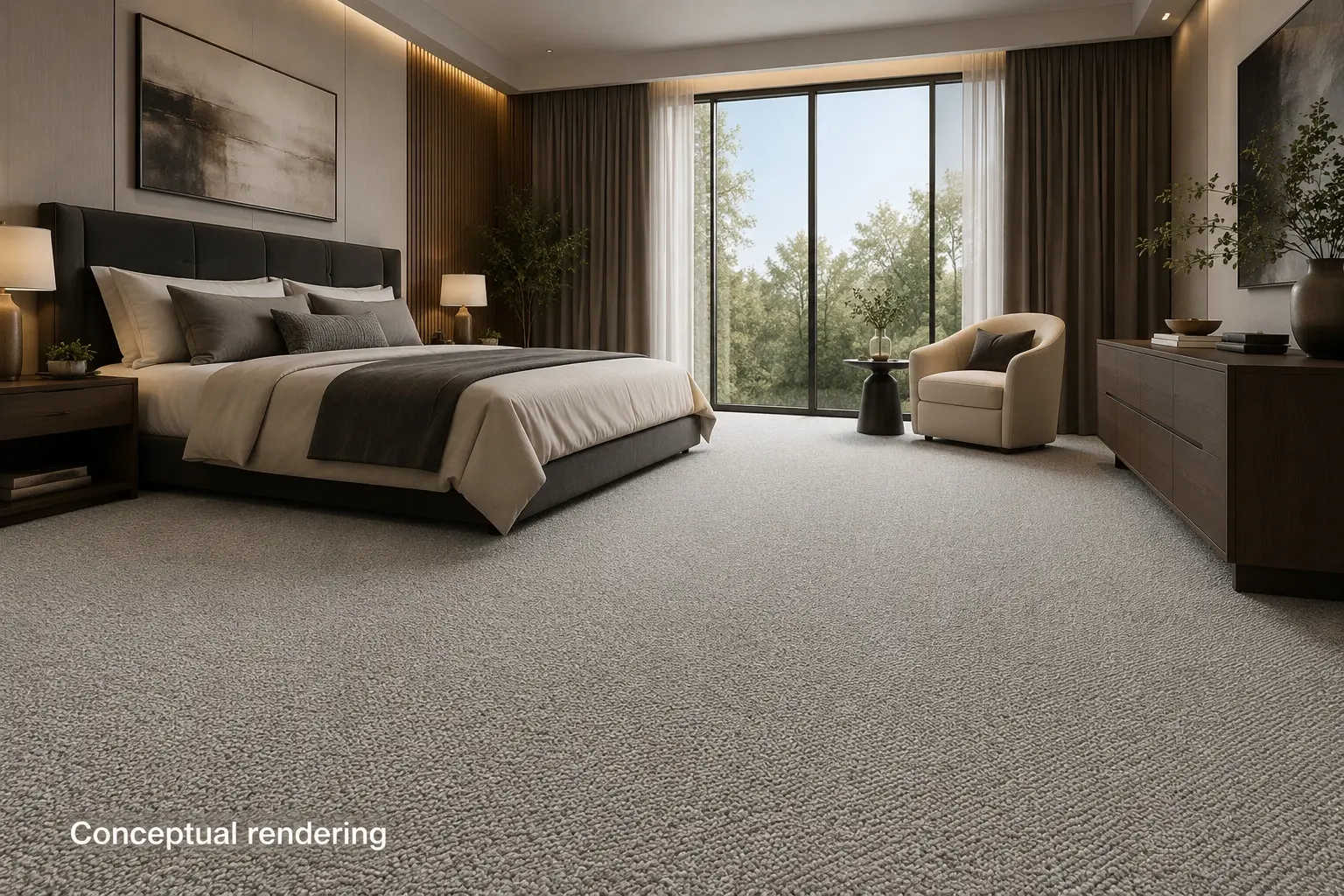
Carpet fiber generally falls into a small handful of material types, each with different strengths, and nylon is typically the best choice for homes in this community given the reasoning that follows. Nylon is more resistant to abrasion than polyester or olefin, which matters directly here because dirt and fine sand tracked in from unpaved driveways act like sandpaper on carpet fibers over time, gradually wearing down the pile even when the carpet is vacuumed regularly. A fiber that resists this kind of wear will simply last longer on a property with gravel or dirt access than one that doesn't. If you'd like to compare different carpet constructions and fiber options in person, you can visit Nova Tile and Stone's Reno showroom.
Within nylon, it's worth specifically looking for solution-dyed nylon rather than carpet that's simply stain-treated after manufacturing. Solution-dyed fiber has color built into it during the manufacturing process itself, rather than applied as a surface treatment afterward, which means the color resists fading from the added UV exposure typical at this elevation and also resists staining and soiling more effectively over the life of the carpet. This is a small distinction on a spec sheet, but it has a real effect on how the carpet looks five or ten years down the road.
The other detail worth asking about directly is static-control treatment. Many nylon carpets today are manufactured with a small amount of conductive fiber woven through the pile, specifically designed to dissipate static charge rather than let it build up on the surface. This is a feature that matters more in a high-desert, low-humidity climate like this one than it would in a more humid part of the country, so it's worth confirming rather than assuming a carpet has it.
Wool carpet is worth mentioning as an alternative, since it's a natural fiber that some homeowners prefer for its feel and appearance. It performs reasonably well against UV fading and has a naturally different static behavior than synthetic fibers, but it holds up noticeably worse against the grit and sand abrasion that comes with unpaved driveways, and it costs meaningfully more than nylon. For a rural property with regular outdoor foot traffic, that tradeoff usually doesn't favor wool except in lower-traffic formal spaces. Polyester carpet, on the other hand, is a reasonable budget-friendly option, and modern polyester can be quite soft and richly colored, but it crushes and mats down faster under regular use than nylon does, so it tends to show wear patterns sooner in high-traffic rooms. It can still make sense in a guest bedroom or a formal living room that sees light use, just not as the go-to choice throughout a heavily used home.
Carpet Styles and Textures Worth Considering
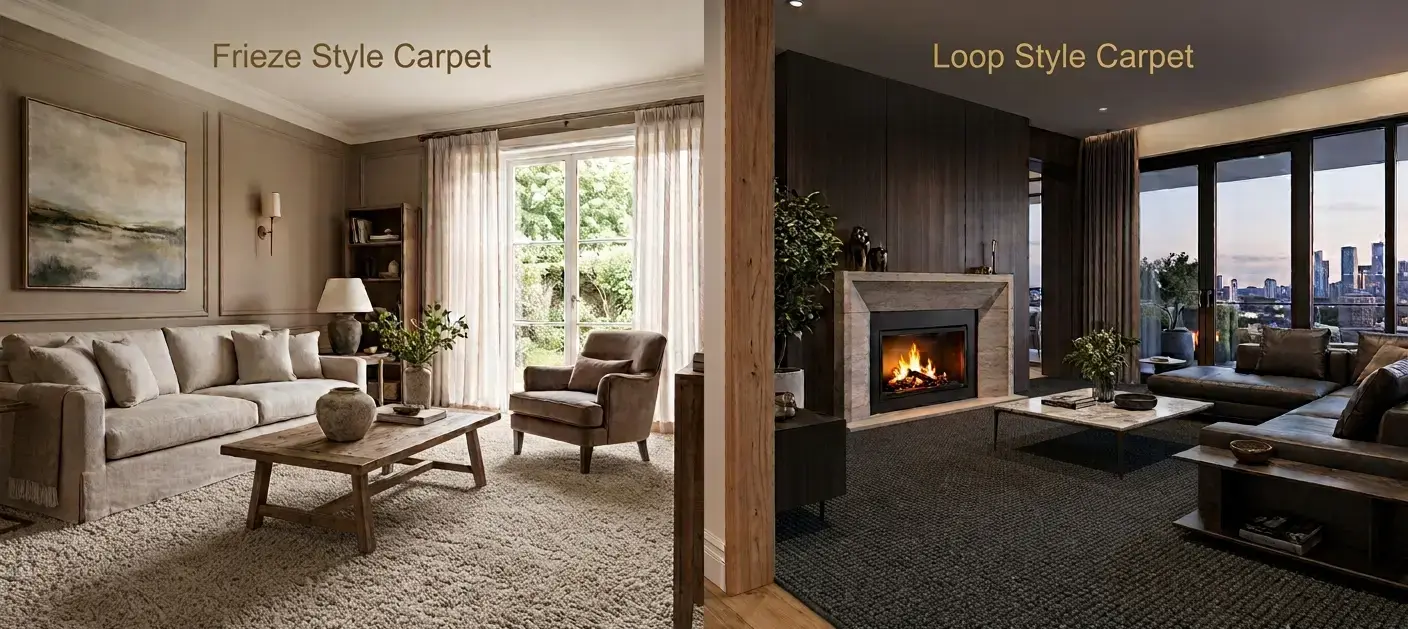
Beyond fiber type, the style and texture of the carpet also affects how well it performs in this kind of environment. A textured cut pile or a frieze style, which has a twisted, curled fiber construction, tends to hide foot traffic patterns and minor soiling better than a smooth, straight cut pile, which shows footprints and vacuum marks more visibly. This matters in a home where dirt tracked in from gravel driveways is a regular occurrence rather than an occasional inconvenience. Berber and loop-style carpets are another option worth considering for their durability, though they can be less comfortable underfoot in bedrooms and are worth reserving for more casual, lower-traffic spaces like a den or a home office rather than a primary living area. You can explore the available carpet styles, colors, and textures on our website before narrowing down the options that best suit your home.
Color choice also deserves some thought given the UV exposure at this elevation. Mid-tone colors, rather than very light or very dark shades, tend to show both fading and soiling less noticeably over time. A very light carpet will show tracked-in dirt and dust more visibly between cleanings, while a very dark carpet can show sun fading in a more obvious, patchy way in rooms with direct afternoon light. A mid-tone, solution-dyed nylon in a textured style tends to be the most forgiving combination for the conditions typical of this community. For homeowners who want to compare colors, textures, and pile styles before making a decision, booking a design consultation is a practical way to evaluate samples under different lighting conditions and discuss which options best suit your space.
Padding Matters as Much as the Carpet Itself
It's easy to focus entirely on the carpet fiber and treat padding as an afterthought, but the pad underneath has a real effect on both comfort and longevity, and it deserves the same level of attention. A denser rebond pad, generally in the 8-pound density range or higher, offers several real advantages in this climate:
- Better insulation against a cold sub-floor, which is a real consideration in a community that sees genuine winter cold rather than the milder conditions found at lower elevations nearby.
- Reduced fiber compression under regular foot traffic, which is one of the main reasons carpet starts to look worn and matted even when the fiber itself hasn't actually failed.
- Better structural durability through the kind of repeated seasonal temperature swings this area experiences, which can cause a lower-quality pad to break down faster than it would in a more temperate climate.
A carpet installed over a thin, low-density pad will typically show flattening and wear far sooner than the same carpet installed over a proper rebond pad, even if the two carpets are otherwise identical. With fiber, texture, and padding all accounted for, the remaining question is simply where in the home each of these choices actually makes sense.
Where Carpet Works Best on a Rural Acreage Property
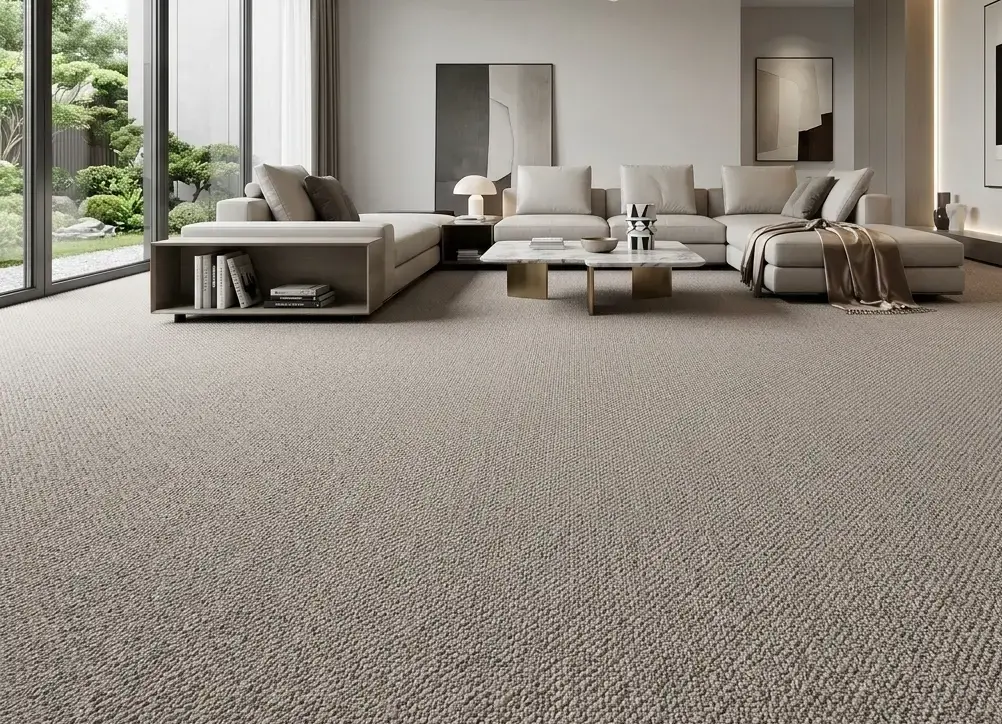
Carpet is a genuinely strong choice for bedrooms, living rooms, and other lower-traffic interior spaces throughout a home in this community, where its warmth and sound-dampening qualities are a real advantage against cold winters and the open, spread-out layouts common in custom acreage homes. It's a much weaker choice, however, for entryways, mudrooms, and any transitional space that takes direct foot traffic from outside. Dirt, gravel, and seasonal moisture tracked in from unpaved driveways will wear down even a durable, solution-dyed nylon carpet faster in these specific spots than anywhere else in the home, regardless of how well the rest of the carpet holds up.
For those transition areas, a hard-surface option like luxury vinyl plank is generally the more practical choice, since it handles grit, moisture, and repeated cleaning far better than any carpet fiber. Many homeowners in this kind of setting end up choosing a hybrid approach: hard flooring in the entry, mudroom, and kitchen, with carpet reserved for bedrooms and more removed living spaces, which tends to give the best balance of comfort and durability across the whole home rather than trying to find a single flooring type that does everything well.
Maintenance Considerations for a High Desert, Rural Property
Carpet maintenance in this community benefits from a few adjustments compared to a typical suburban home:
- Vacuum more frequently near entry points, which helps prevent the fine grit tracked in from gravel driveways from working its way down into the base of the carpet fibers, where it does the most abrasive damage over time.
- Run a humidifier during the driest winter months, which can meaningfully reduce static buildup and also helps keep carpet fibers from becoming brittle, a subtler effect of long-term low humidity that isn't always obvious until it's already happened.
- Choose a carpet cleaning method compatible with well water, since many homes in this area rely on well water rather than municipal water, and mineral content can vary noticeably from one property to the next, which may affect how cleaning solutions rinse out of the fibers.
- Use window coverings or UV-filtering film in rooms with strong afternoon sun, which can meaningfully slow fading over the years, particularly for a solution-dyed carpet that's already resisting fading better than an untreated one.
Since fiber type, padding density, and static-control treatment all vary meaningfully between specific carpet product lines, a free design consultation is a practical way to compare actual samples side by side rather than relying on general specifications alone. Nova Tile and Stone's Reno showroom, located at 12835 Old Virginia Road in Reno, NV, serves homeowners throughout Virginia City Highlands as part of its broader Northern Nevada service area, and can be reached at (775) 331-6682. Seeing and feeling the difference between a textured frieze and a smooth cut pile, or comparing solution-dyed color options against a room's actual light exposure, tends to make the decision much clearer than reading a spec sheet in isolation.
Conclusion
Carpet can be a comfortable, practical flooring choice for a home in Virginia City Highlands, but the area's elevation and dry climate mean the details matter more here than they would elsewhere. A solution-dyed nylon fiber with static-control treatment, set on a dense rebond pad, is best equipped to handle the dry air, temperature swings, UV exposure, and grit that come with living on unpaved rural acreage. Just as important is knowing where carpet fits into the layout of the home: it performs well in bedrooms and living spaces, but a hard-surface option makes more sense in entryways and mudrooms that take the brunt of the outdoor conditions. Thinking through fiber, padding, and placement together, rather than any one of those in isolation, is what leads to a carpet choice that still looks and feels good years after installation.
Frequently Asked Questions
Static tends to build up more in any carpet during dry winter conditions, regardless of elevation, but the very low humidity typical of high-desert communities like this one makes the effect more noticeable than it would be at lower, more humid elevations. Carpets built with static-dissipating fibers are specifically engineered to conduct that charge away rather than let it build up on the surface, which is why this feature is worth confirming directly rather than assuming it's included.
A quality nylon carpet with a dense pad typically lasts 10 to 15 years in a home with moderate to heavy traffic, though entryways and mudrooms exposed to dirt and gravel tend to show wear sooner and may need replacement or a hard-surface swap ahead of the rest of the home.
Yes. Padding affects both comfort and lifespan more than most homeowners expect. A higher-density pad reduces how much the carpet fibers compress and flatten under regular foot traffic, which is one of the main reasons carpet starts to look worn even when the fiber itself is still intact.
Yes, carpet can be installed directly over a concrete slab with an appropriate vapor barrier and pad. This combination also helps offset the natural coolness of a slab foundation, which is a common concern in homes at this elevation during colder months.
Yes, to a meaningful degree. Very light colors tend to show tracked-in dirt and dust more visibly between cleanings, while very dark colors can show sun fading in a more noticeable, uneven way in rooms with strong direct light. Mid-tone shades in a textured style tend to hide both effects better over time than either extreme.
Note: Some images on this page may be conceptual renderings created to illustrate design possibilities and may not depict actual installations.