The best countertop, tile, and flooring options for Reno, NV homes depend heavily on the local climate: high-altitude UV exposure, very low humidity year-round, hot dry summers, and cold winters create conditions that affect how interior surfaces perform over time. Materials that hold up well in more temperate or humid climates may warp, fade, or require significantly more maintenance in Northern Nevada.
For countertops, engineered quartz, natural stone (granite, quartzite, and marble), sintered stone, and porcelain slabs are the most commonly used options, each with different tradeoffs in durability, maintenance, and appearance. For flooring, the most practical choices for Reno homes include porcelain and ceramic tile, engineered hardwood, luxury vinyl plank (LVP), laminate, and carpet. The right material depends on the room, the household, and how much ongoing care a homeowner is prepared to give.
Reno sits at roughly 4,500 feet above sea level in the Truckee Meadows valley, at the foot of the Sierra Nevada and on the western edge of the Great Basin. The city receives more than 300 days of sunshine per year, and that sunlight at elevation is more intense than what lower-altitude communities experience. Winters bring genuine cold and snow, summers run hot and dry, and indoor humidity stays low year-round unless actively managed. Almost every material used in homes responds to heat, UV, and moisture in some way, and understanding how those conditions interact with each material is what separates a good decision from one that creates problems a few years down the road.
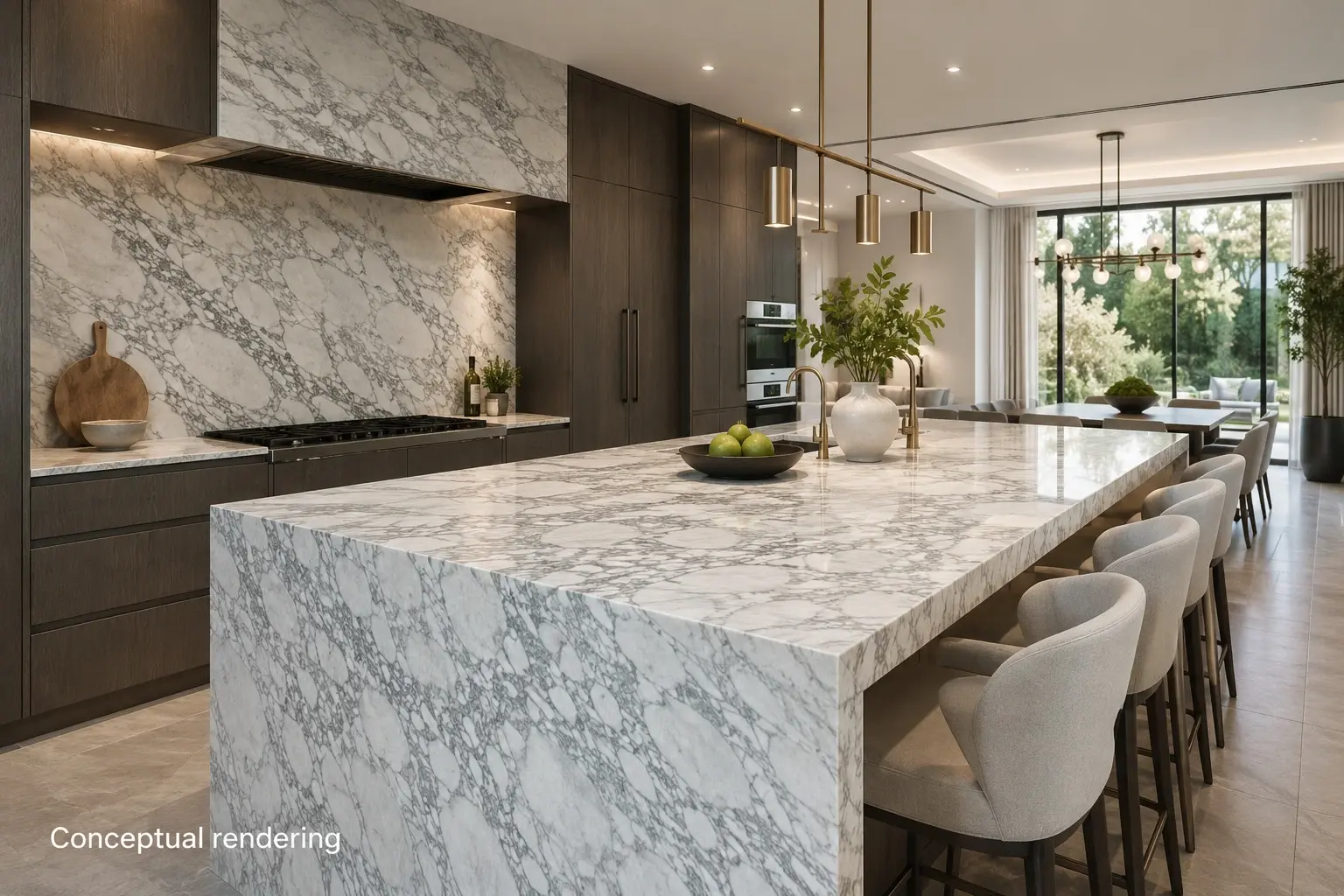
Countertop Options for Reno Kitchens and Bathrooms
Quartz
Engineered quartz is one of the most consistently popular countertop choices in Northern Nevada, and for good reason. It does not require sealing, resists staining from spills and moisture, and holds up well to Reno's temperature swings without expanding or contracting in ways that cause cracking. It comes in an extremely wide range of colors and vein patterns, including designs that convincingly replicate marble or quartzite at a lower price point and with far less upkeep. For high-traffic kitchens, quartz is a practical first choice. Engineered quartz contains resin binders that can be affected by excessive heat so trivets or hot pads should always be used under hot cookware.
Natural Stone (Granite, Quartzite, Marble)
Granite has been a Reno staple for decades: it is heat-resistant, hard, and available in a range of tones that complement the warm, earthy interiors common in the region. It does require periodic sealing (typically every one to two years for an active kitchen surface, and less often for lower-traffic areas like bathroom vanities), but the process is straightforward and takes less than an hour. Quartzite is growing in popularity as a harder, more durable alternative to marble, with natural veining that suits transitional and contemporary kitchens alike. Marble, while softer and more prone to etching from acidic foods and drinks, remains a top choice for bathroom vanities and low-traffic kitchen islands where the visual payoff justifies the additional care.
Because Nova Tile and Stone operates as a direct stone importer with thousands of slabs available in the Reno showroom, buyers can select the specific slab they want rather than choosing from a catalog image. Seeing the actual stone, with its unique veining and color variation, makes a meaningful difference when coordinating with cabinetry and flooring.
Sintered Stone and Porcelain Slabs
Sintered stone and large-format porcelain slabs represent a newer category that is particularly well-suited to Reno's climate. Both materials are fired at extremely high temperatures, producing surfaces that are highly resistant to UV fading, heat, moisture, and scratching. They require no sealing and perform well in outdoor kitchen applications as well as interior ones. For homeowners who want the look of natural stone with nearly zero maintenance, sintered stone and porcelain slabs are worth serious consideration.
Pre-fabricated Countertops
Pre-fabricated countertops offer an efficient, budget-conscious option for homeowners on a tighter timeline or working within a fixed budget. They are available in standard sizes and a range of finishes, and can be an excellent choice for rental properties, secondary bathrooms, or full-home remodels where the primary design investment is being made elsewhere.
The same climate logic that shapes countertop decisions applies equally to floors and walls. Here is how the main tile and flooring categories perform in Reno's conditions.
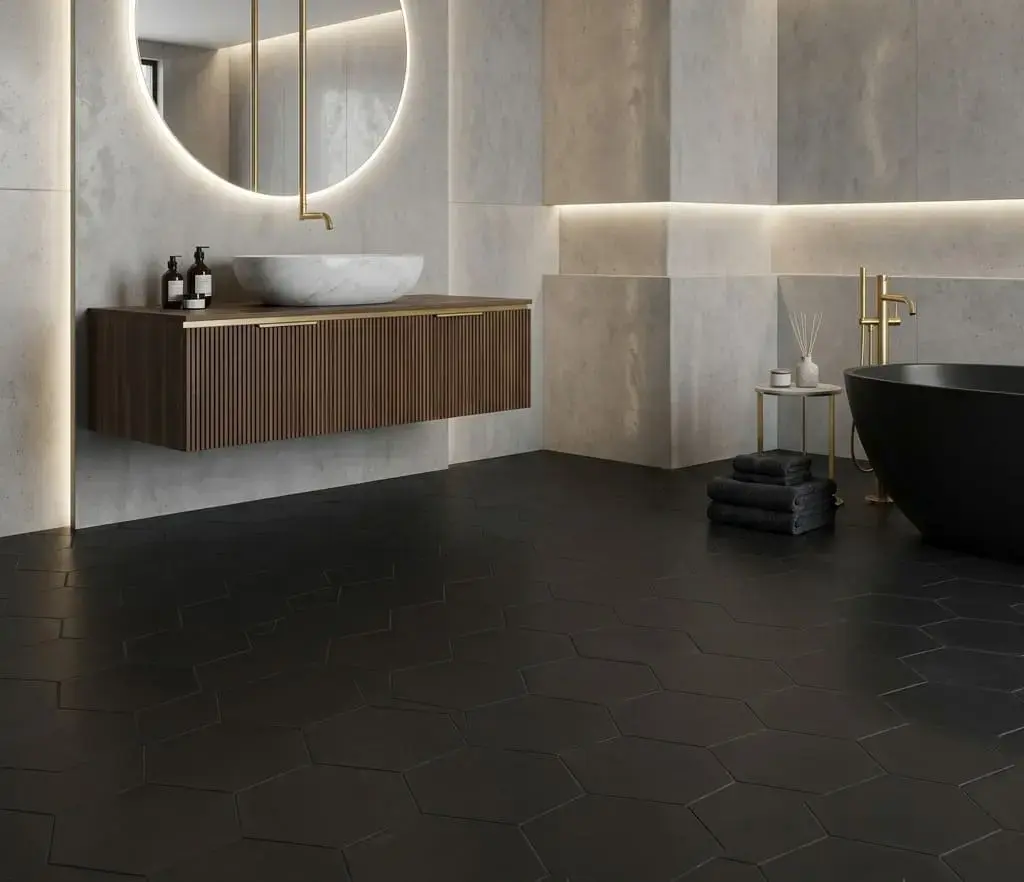
Tile Options for Floors, Walls, and Backsplashes
Ceramic and porcelain tile are among the most climate-adaptable flooring materials available, and both perform exceptionally well in the high desert. They are unaffected by Reno's dry air, do not expand or contract with humidity changes, and their natural thermal mass can actually help moderate indoor temperature fluctuations.
Porcelain Tile
Porcelain is fired at higher temperatures than standard ceramic, producing a denser, less porous tile that holds up well in bathrooms, kitchens, entryways, and outdoor spaces. Large-format porcelain tiles (24x24 and larger) are currently one of the most popular choices in Reno home renovations, creating a seamless, open-feeling floor with fewer grout lines to maintain. Wood-look porcelain planks offer the warmth of hardwood with the durability of tile, which is a particularly useful combination in Reno kitchens and mudrooms that see regular outdoor traffic.
Current design trends across Reno, Sparks, and the surrounding Washoe County communities are moving toward warm, earthy tones: terracotta, sand, cream, and warm taupe are replacing the cool grays that dominated interiors for much of the previous decade. Matte finishes are widely preferred over high-gloss for flooring, as they reduce glare in Reno's abundant sunlight and show less daily wear.
Ceramic Tile
Ceramic tile remains a strong choice for wall applications, bathroom floors, and backsplashes. It is less dense than porcelain but easier to cut, which makes it a popular option for intricate layouts and decorative applications. Subway tile in larger formats, particularly 3x12 and 4x16, handmade-look Zellige-style tiles, and geometric patterns are all prominent in current Reno kitchen and bathroom renovations.
Mosaic and Accent Tile
Mosaic tile plays a supporting role in most Reno interiors: as a shower niche accent, a backsplash focal point, or a transition between larger-format floor tiles. Natural stone mosaics in warm neutral tones, glass mosaic in soft greens and blues, and mixed-material combinations all perform well in this climate. Because mosaic tiles are typically fully grouted, they are highly stable and unaffected by the humidity swings that can affect wood-based products.
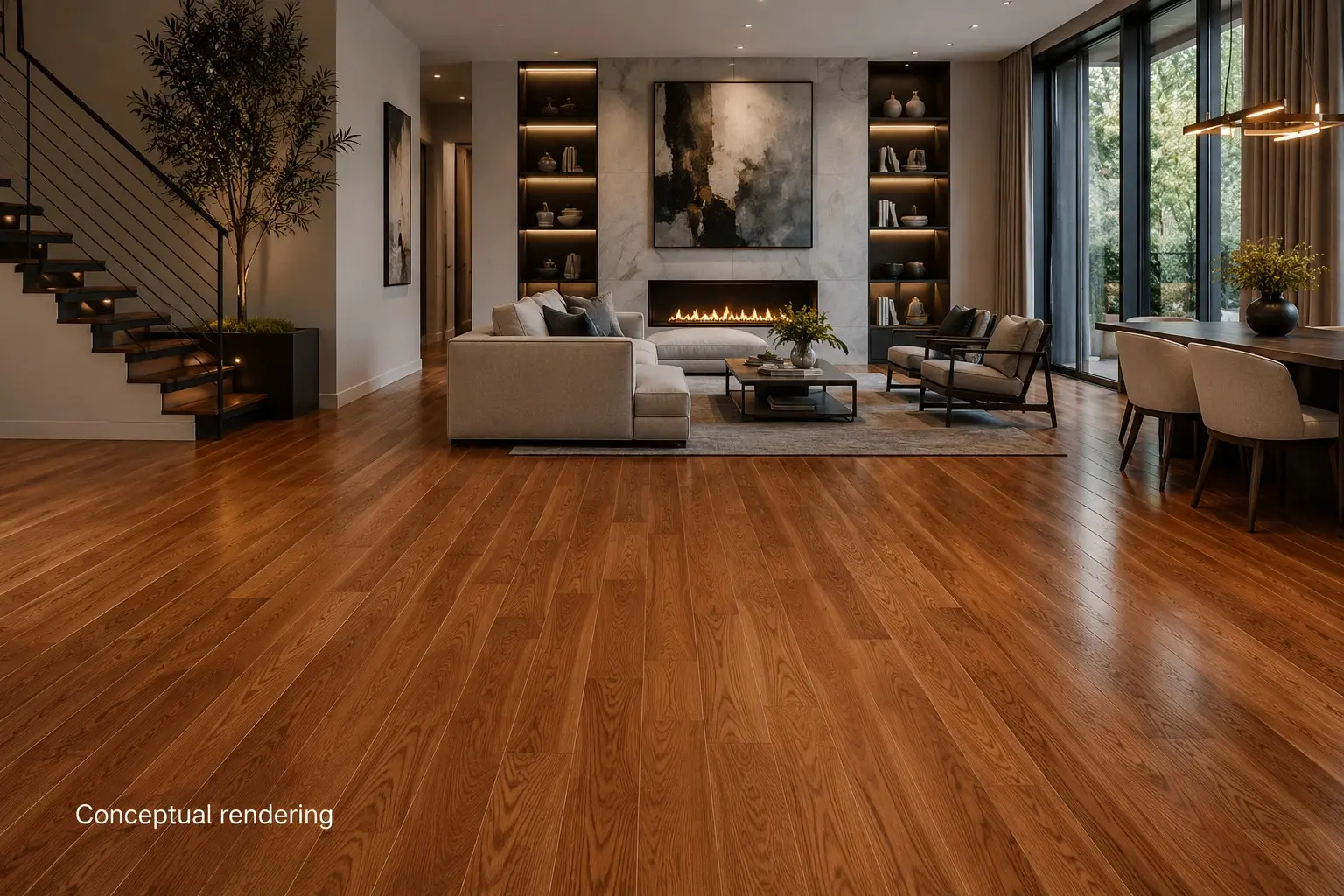
Hardwood Flooring in Reno: What to Know First
Hardwood is a premium flooring category that requires specific consideration in Reno's dry, high-desert climate. The low humidity can cause solid hardwood to lose moisture, shrink, and develop gaps between planks over time. This does not mean hardwood is a poor choice for Reno homes. It means the right product selection and installation approach matter significantly.
Engineered Hardwood
Engineered hardwood is the more suitable option for most Reno applications. Its cross-layered plywood core gives it far greater dimensional stability than solid hardwood, allowing it to handle humidity fluctuations without the gapping and cracking that can occur with solid planks. It carries a genuine hardwood wear surface and looks identical to solid hardwood once installed. Species with natural resilience such as white oak, hickory, and maple are popular choices throughout Northern Nevada for their warm tones and ability to hold up to active households.
Solid Hardwood
Solid hardwood can work well in Reno homes with proper humidity management. Maintaining indoor humidity between roughly 35% and 55% year-round through a whole-home humidifier significantly reduces the risk of seasonal shrinkage. Proper acclimation before installation is also essential: solid hardwood generally needs at least five to seven days in the installation space to adjust to local temperature and moisture conditions, while engineered hardwood typically requires a minimum of two to three days, though manufacturer guidelines vary and should always be followed. Species selection matters as well: denser woods such as oak and acacia are more stable in dry conditions than softer options.
Nova Tile and Stone's Reno showroom carries hardwood in a range of species and finishes, and the design team can walk through which options make the most sense for specific rooms, sun exposure, and lifestyle conditions.
Luxury Vinyl Plank (LVP): The High-Performance Option for Reno
LVP has become one of the most in-demand flooring categories in Northern Nevada, and the reasons are directly tied to the region's climate and lifestyle. Unlike hardwood, LVP does not respond to humidity changes. It does not shrink, gap, or crack in dry air. Many products include UV-resistant wear layers that help prevent fading in Reno's intense, high-altitude sunlight. It is waterproof, making it practical for bathrooms, laundry rooms, and mudrooms that see wet boots and snow. Homeowners in Reno, Sparks, Spanish Springs, and Incline Village have made it one of the most requested flooring options in the region over the past several years.
From a design standpoint, current LVP technology produces wood-look and stone-look options that are genuinely convincing. Wide-plank formats in light oak, warm walnut, and driftwood tones are particularly popular in Reno interiors, and stone-look LVP in warm beige or concrete gray is a strong choice for open-concept main floors. Its scratch resistance and ease of cleaning also make it a practical choice for households with pets, children, or high foot traffic coming in from outdoor activities.
Laminate Flooring: A Budget-Smart Alternative
Laminate offers many of the visual characteristics of hardwood at a lower price point, and modern laminate has improved substantially in terms of realism and durability. In Reno's dry climate, laminate performs reasonably well, though it is not waterproof like LVP and is best suited to bedrooms, living rooms, and other lower-moisture areas.
For homeowners completing a whole-home renovation on a defined budget, laminate in living areas and bedrooms paired with LVP or tile in kitchens and bathrooms is a common and practical approach.
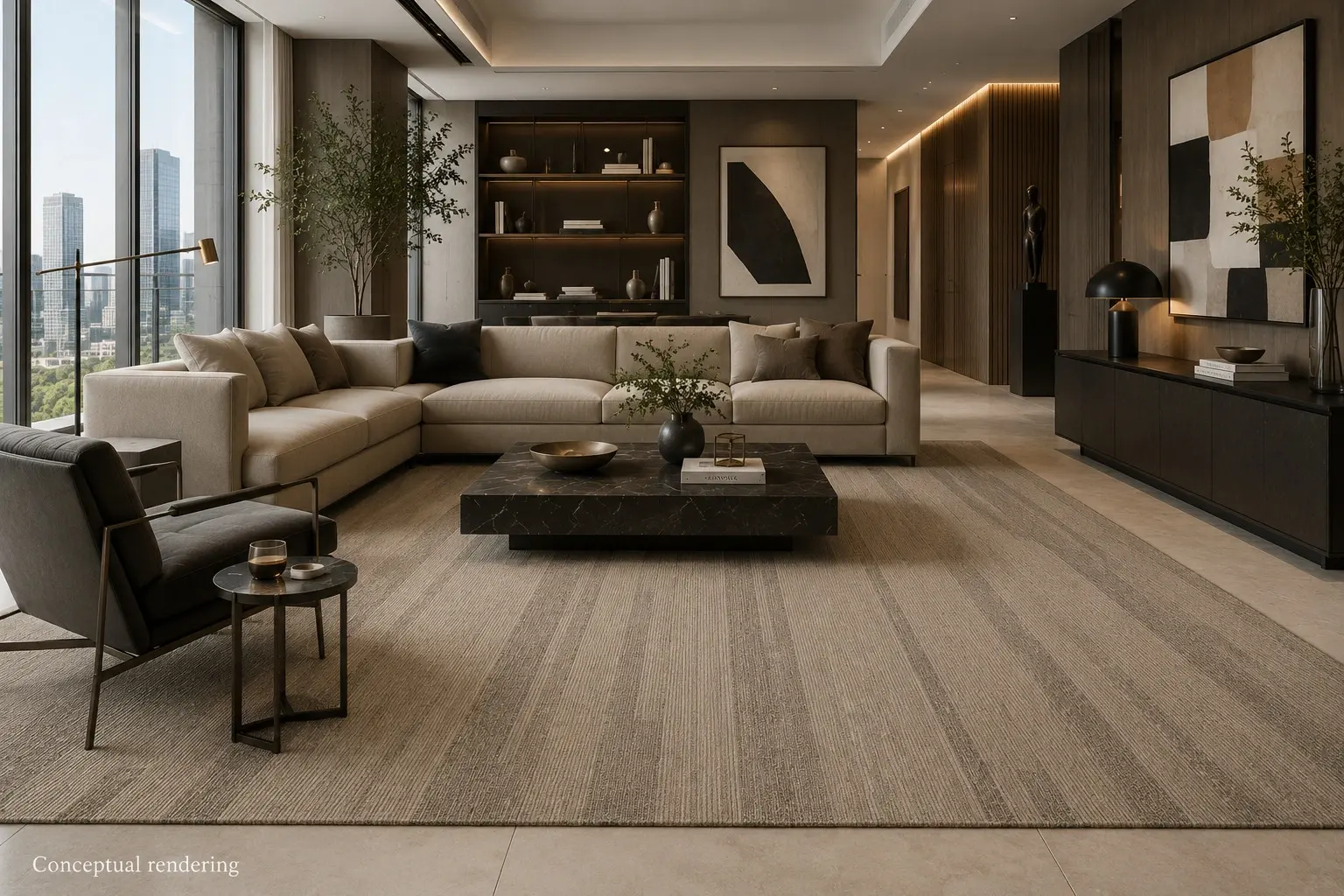
Carpet: Still the Right Choice for Certain Rooms
Carpet tends to get overlooked in home design conversations, but it remains one of the most practical and comfortable flooring choices for bedrooms, home offices, and bonus rooms. In Reno's colder winters, carpet provides genuine insulation and underfoot warmth that hard-surface floors cannot replicate without radiant heating. It also significantly reduces noise, which matters in multi-story homes and households with children.
Current carpet trends favor warmer, richer tones and plush, textured finishes over the flat, neutral Berber styles that were common a decade ago. For bedrooms in particular, a quality carpet with a thick pad creates a level of comfort and warmth that makes a real difference during Reno winters.
Putting It Together: How Reno Homeowners Are Thinking About Surfaces
A common approach in current Reno renovations involves using different materials in different zones based on function: porcelain or LVP in high-traffic areas such as the entry, kitchen, bathrooms, and mudroom; engineered hardwood or laminate in living and dining spaces; and carpet in bedrooms and media rooms. A natural stone or quartz countertop typically anchors the kitchen, with a sintered stone or porcelain slab in the bathrooms for a low-maintenance finish.
There is no single right answer, and the best material decisions are informed by how you actually use your home, how much sunlight your spaces receive, whether you have pets or children, and how much ongoing maintenance you are comfortable with.
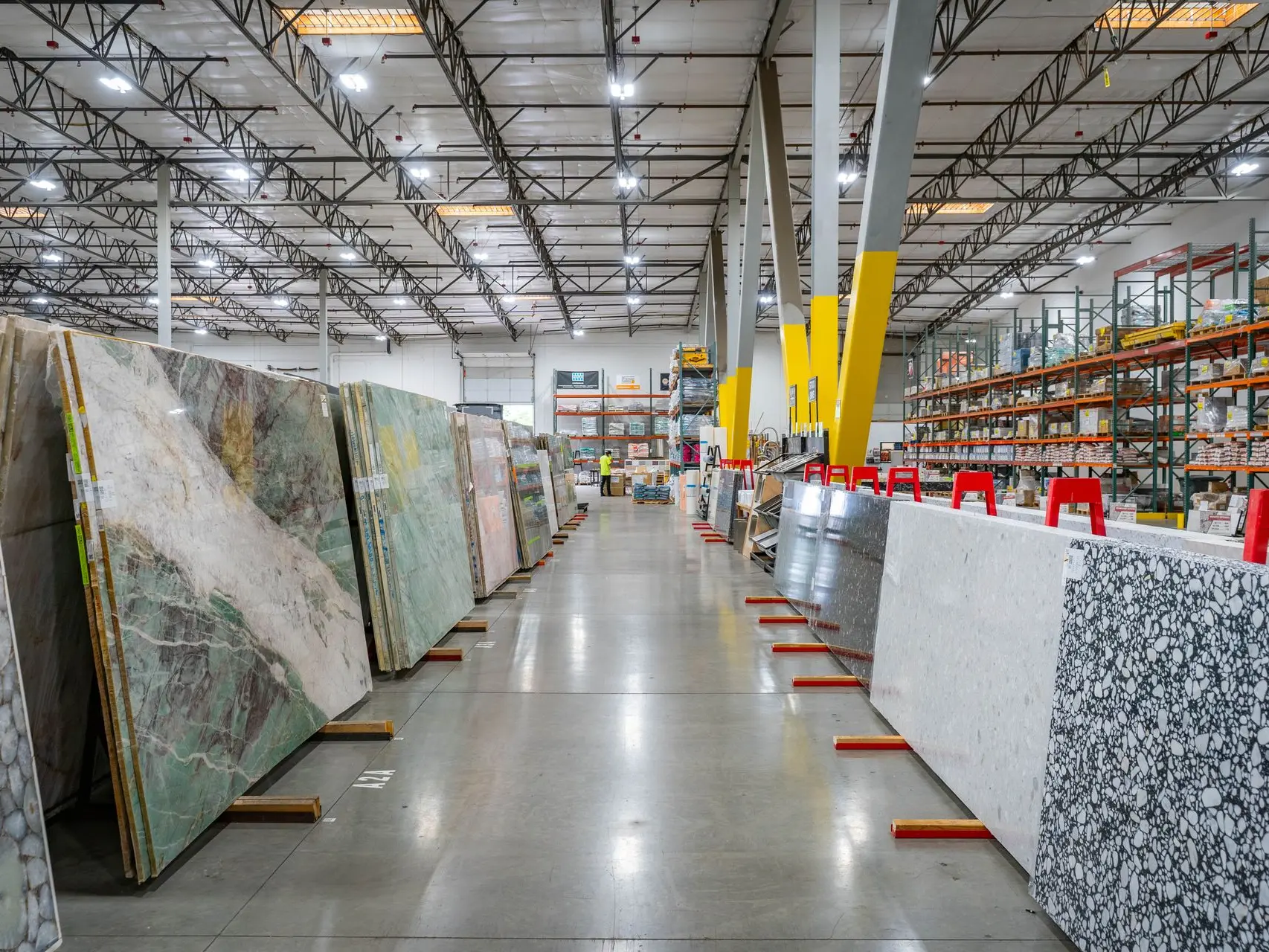
Visit Nova Tile and Stone in Reno, NV
Nova Tile and Stone Reno 12835 Old Virginia Road, Reno, NV 89521 Phone: 775-331-6682 Hours: Monday through Friday 7:30am to 6:00pm, Saturday 9:00am to 3:00pm.
Nova's Reno showroom carries all of the material categories covered in this guide. Whether you are looking for countertop slabs in natural stone, quartz, sintered stone, or porcelain, or browsing tile and flooring options including hardwood, LVP, laminate, and carpet, the full range is available to see and touch in person. The design team offers free consultations with no commission and no agenda, and the sample program lets you take materials home to see them in your own light before committing.
Nova serves Reno, Sparks, Spanish Springs, Sun Valley, Washoe Valley, Incline Village, Verdi, and surrounding Washoe County communities. Visit Nova Tile and Stone or call to book a free design consultation.
Conclusion
Reno is not a forgiving environment for materials chosen without thought. But it is also not a difficult one to plan for. The information exists, the right products are available, and the tradeoffs between them are straightforward once you understand what the local conditions actually demand.
The homeowners who tend to be most satisfied with their choices are the ones who spent time with the materials before committing, taking samples home, seeing how a stone slab looked under their kitchen lighting, or walking across a flooring option before deciding it was right for their space. No amount of online research fully replaces that step, particularly for natural stone and hardwood where individual variation matters as much as the material category itself.
Frequently Asked Questions
Engineered quartz and sintered stone are both strong choices. Quartz requires no sealing, resists staining, and handles daily kitchen use without much ongoing care. Sintered stone goes a step further in UV resistance and heat tolerance, making it a good option for homes with outdoor kitchens or significant sun exposure. Neither material needs the periodic resealing that natural stone requires.
Yes, with the right product and preparation. Engineered hardwood is the more practical choice for most Reno applications because its cross-layered construction resists the shrinking and gapping that Reno's low humidity can cause in solid wood. Solid hardwood can also perform well if indoor humidity is actively maintained between 35% and 55% year-round, typically through a whole-home humidifier, and if the wood is properly acclimated before installation.
LVP performs well in any room, but it is particularly well-suited to kitchens, bathrooms, laundry rooms, mudrooms, and entryways where moisture resistance matters. It is also a practical choice for households with pets or children, since it handles scratches and heavy cleaning better than hardwood or laminate. In Reno specifically, its stability in dry air and UV-resistant wear layer address two climate conditions that affect other flooring types.
It can feel cool underfoot, particularly in the mornings during colder months. The most effective solution is radiant in-floor heating installed beneath the tile, which is a common addition in Reno bathroom renovations and increasingly used in kitchens. Area rugs in living spaces with tile floors also help with comfort and warmth during winter without sacrificing the floor's durability.
You can, but most Reno homeowners find that a zoned approach works better in practice. Moisture-resistant materials like LVP or tile make sense in kitchens, bathrooms, and entryways. Hardwood or laminate suits living and dining areas well. Carpets tend to serve bedrooms and home offices better than hard surfaces do, particularly in winter.
Note: Some images on this page may be conceptual renderings created to illustrate design possibilities and may not depict actual installations.