12x24 tile is not going out of style. The size remains one of the most practical tile formats for Kings Beach bathrooms, kitchens, and entryways because it reduces the number of grout lines and keeps installation costs reasonable compared to larger formats. What is actually changing is the finish and color applied to that size: the flat, glossy, cool-gray look that became a builder-grade default over the last two decades is giving way to warmer palettes, matte textures, and varied layouts like herringbone and vertical stack.
Why 12x24 Became the Default Size in the First Place
Twelve by twenty-four became the fallback choice for builders and remodelers during the building boom of the 2010s, when open-concept renovations were everywhere and a size that installed quickly, at scale, with standard equipment did more for a project's timeline than a more distinctive tile would have.
The tradeoff is that widespread adoption eventually flattened its personality. When a material shows up in nearly every spec-built bathroom, hotel corridor, and office lobby, it stops reading as a design choice and starts reading as a default. That is the core of the "going out of style" conversation. It is less about the size itself and more about how ubiquitous a specific look, usually a glossy, cool-gray rectangle laid in a straight grid, became.
What Is Actually Changing
Interior designers are not saying 12x24 tile needs to disappear. According to current design coverage on tile trends, 12x24 tiles were fresh when they first appeared but have since become the norm, no longer making the same design statement they once did, even though they still function well. That is a fairly common sentiment among designers right now: the size still works, but the treatment needs an update.
What is shifting is the finish, color, and pattern applied to that size, not the dimensions. A few things showing up across 2026 design coverage:
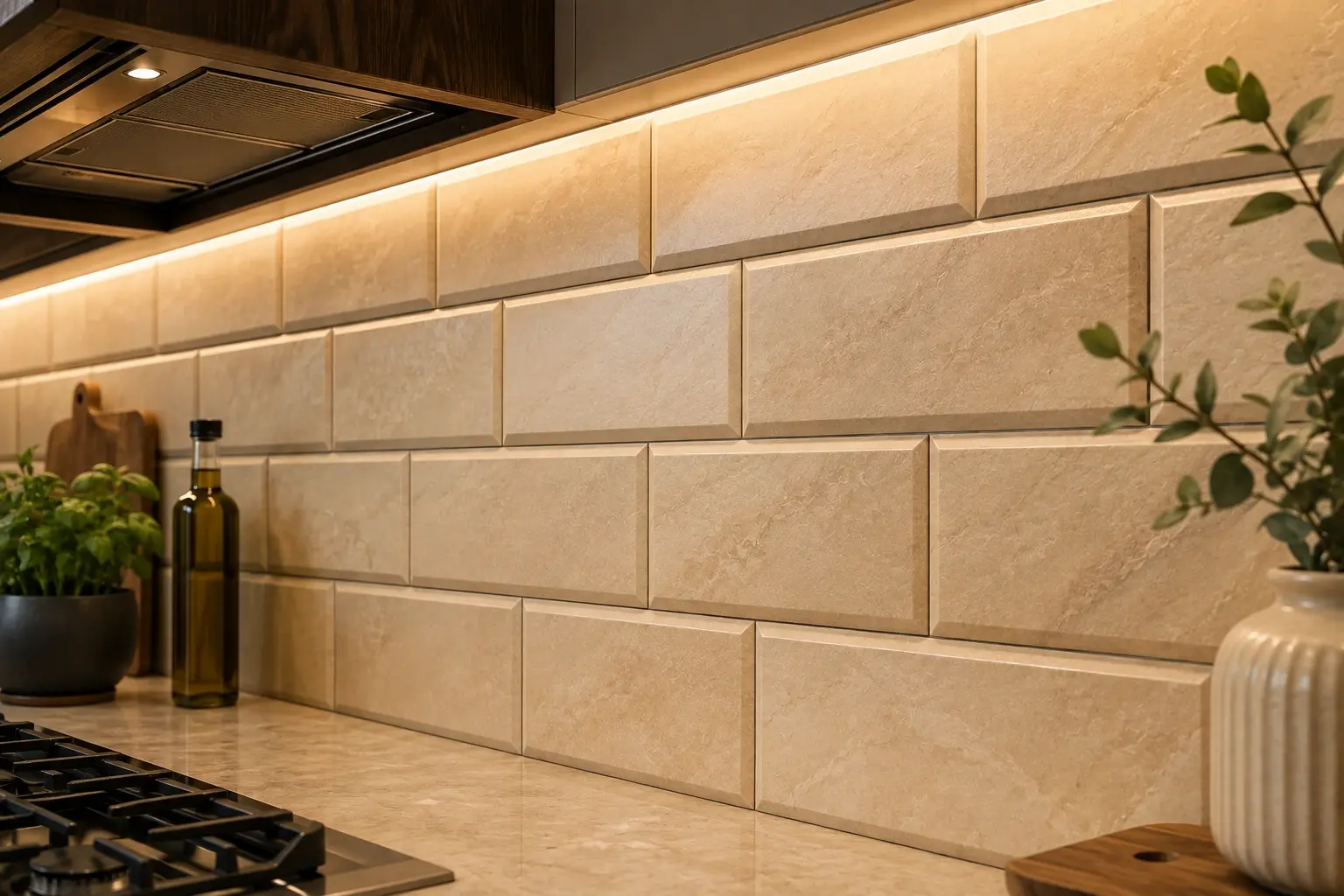
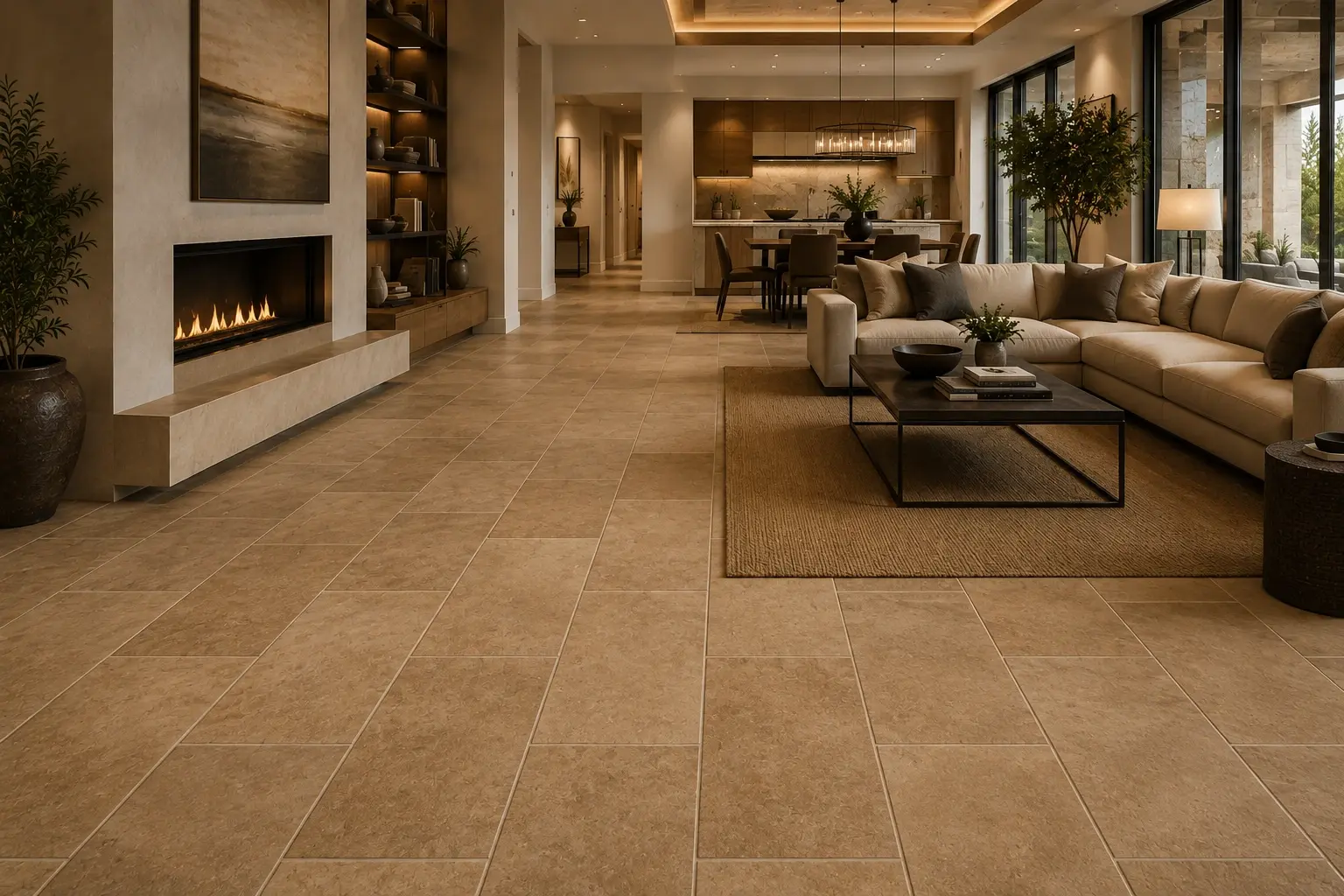
- Warmer, earthier color palettes replacing cool grays and stark whites, with beige, clay, taupe, and muted greens gaining ground
- Matte and textured surfaces replacing high-gloss finishes, which also helps hide water spots and everyday wear
- Dimensional tile, including subtle 3D relief and sculpted surfaces, replacing flat, uniform surfaces on accent walls and feature areas
- Herringbone, vertical stack, and brick-joint layouts replacing the straight horizontal grid that made 12x24 feel institutional in the first place
None of this requires abandoning the format. A 12x24 tile in a warm limestone-look finish, laid in a herringbone pattern with a contrasting grout, reads completely differently than the same size in glossy white laid in a straight grid.
Where 12x24 Still Makes Sense for Kings Beach Homes
This stretch of Lake Tahoe's north shore has homes ranging from classic lake cabins and A-frames to newer mountain-modern remodels, many of them used as vacation properties or rentals. That mix of housing stock is exactly where a practical, mid-size tile format continues to earn its place.
Showers and bathroom floors in a vacation home need to hold up to heavy, inconsistent use between rental turnovers, and fewer grout lines mean less maintenance for property managers and owners who are not on-site every week. A National Kitchen & Bath Association survey covered by Apartment Therapy found that a large majority of design professionals expect large-format flooring to dominate bathroom remodels over the next several years, largely because it demands less scrubbing and upkeep than tile with more grout lines. For a lake house that gets used hard in summer and sits quiet in winter, that lower-maintenance profile matters more than it does in a full-time primary residence.
Entryways and mudrooms are another strong fit. Winters here bring real Sierra snow, and a durable, easy-to-clean floor at the door for wet boots, skis, and gear is more about function than fashion. A 12x24 porcelain tile in a warmer stone-look finish handles that job well without looking like a hospital corridor.
Freeze-Thaw and Sun Exposure Considerations
That same practicality carries outside the front door. Because this part of the North Shore is known locally as the sunny "banana belt," exterior applications like patios, entries, and pool surrounds see a lot of direct light along with genuine winter freeze-thaw cycles. Material choice matters more than tile size in that setting. According to installation standards covered by TileLetter, the tile industry's trade publication, porcelain intended for freeze-thaw exposure must absorb no more than half a percent of its weight in water to hold up against repeated freezing and thawing. Tile that does not meet that standard, regardless of whether it happens to be 12x24 or a different format, is not a safe choice for an exterior installation in a climate like this one.
Updating a 12x24 Layout Without Starting Over
Back inside, most 12x24 decisions in Kings Beach are not about a new installation at all. They are about updating tile that is already on the wall or floor. For homeowners in that position, a full tear-out usually is not necessary. A few lower-cost ways to modernize the look:
- Change the layout. Moving from a straight grid to a diagonal, vertical stack, or offset pattern changes the visual rhythm of a room significantly.
- Swap the grout color. A contrasting or deeper grout tone can make an existing tile feel more intentional and less like a default builder choice.
- Add a textured or patterned accent. Pairing a plain 12x24 field tile with a mosaic, zellige-style, or dimensional tile on a feature wall or niche brings in the warmth and personality that trends are leaning toward, without replacing the whole floor.
- Reconsider the finish on new purchases. If a remodel is already planned, choosing a matte, stone-look, or lightly textured 12x24 tile over a glossy one immediately moves the look away from the "builder-grade" association.
Bringing Samples Home Before Deciding
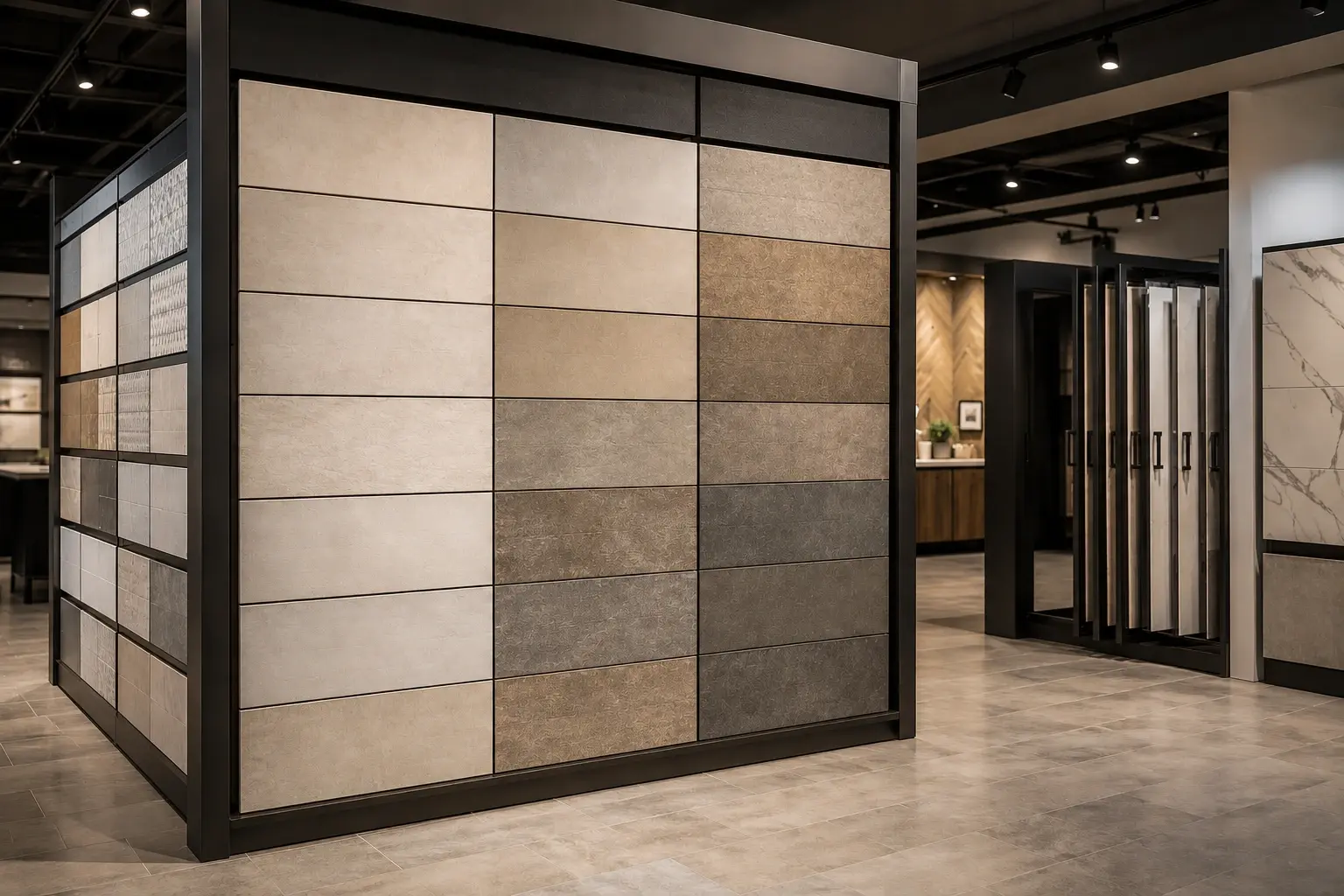
Photos and design articles can only tell you so much about how a tile will look in a specific space. Lake-facing rooms here get a particular quality of light, bright and reflective off the water in summer, softer and cooler in winter, and that light changes how a warm beige or a cool gray tile reads on the wall. Bringing a physical sample home and viewing it under that light, at different times of day, is a more reliable way to decide than working from a photo alone. Nova Tile and Stone's Reno showroom, at 12835 Old Virginia Road, Suite 24, Reno, NV 89521, keeps samples available for this kind of side-by-side comparison, along with free design consultations for homeowners working through a remodel. The showroom can be reached at (775) 331-6682 for scheduling or questions.
Conclusion
12x24 tile is not fading out of Kings Beach homes. The flat, glossy, one-note version of it is. What is actually shifting is the finish, color, and layout applied to that familiar size, not the practicality that made it popular in the first place. For a lake community built on a mix of vacation homes, rentals, and full-time residences, fewer grout lines, easier upkeep between guest turnovers, and reasonable installation costs still make 12x24 a sensible size to work with. Seeing today's finishes and layouts in person can make that shift much easier, which is why many homeowners begin by exploring the tile selection and design consultation options available at Nova Tile and Stone. The tile is not the outdated part. The treatment is, and that is a far easier fix than tearing out a floor.
Frequently Asked Questions
Only indirectly. The tile size itself is not something buyers or appraisers penalize, but a worn glossy finish can photograph as dated in listing photos, so refreshing the grout color or upgrading to a matte, warmer-toned tile before a sale or a rental relisting often does more for perceived value than changing the tile size.
Porcelain 12x24 tile commonly holds up structurally for 20 years or more. Most remodels that replace it are driven by a desire for a style refresh rather than the tile actually failing, which is part of why a new grout color or layout can extend its usable life without a full tear-out.
It works better on shower walls than on shower floors. A shower floor needs a sloped mortar bed to drain properly, and a rigid 12x24 tile does not flex to follow that slope the way a smaller mosaic tile can, so many installers pair a 12x24 tile on the walls with a smaller format on the floor to maintain proper drainage.
It typically adds a modest amount for the extra material and additional cut lines, but the increase is usually limited since the 12x24 field tile still covers most of the room. The accent tile is normally confined to one wall, niche, or backsplash rather than the entire space.
Tile is generally considered large format once one edge measures more than 15 inches, which places 12x24 solidly in that category, even though today's largest formats can extend several feet across and require different lifting equipment than a 12x24 installation does.
Note: Some images on this page may be conceptual renderings created to illustrate design possibilities and may not depict actual installations.