Choosing floors and wall tile for a home in Minden, NV comes down to matching each material's moisture resistance, durability, and finish to how a specific room is used, then weighing local conditions like dry summers, freeze-thaw winters, and strong mountain sun. Typical flooring choices include porcelain and ceramic tile, hardwood, luxury vinyl plank, laminate, and natural stone such as granite and quartzite, while wall tile is generally chosen for size, pattern, and finish in showers, backsplashes, and accent walls.
That mix of conditions plays out in daily life throughout Carson Valley. Summers bring dry heat and blowing dust off the valley floor, while winters bring snowmelt, mud, and boots coming in from trips toward Genoa or the passes near Lake Tahoe. Add in the large windows many homes here use to frame mountain views, and floors and wall tile end up working harder than they might in a milder climate.
There's also the practical reality that most homeowners aren't replacing floors or wall tile every few years. Whatever gets chosen needs to hold up through several seasons of ranch life, cabin weekends, and everything in between, which is why it's worth slowing down before settling on a material.
This guide walks through that process room by room and material by material, starting with flooring broadly, since floors set the foundation for everything else, before narrowing in on wall tile specifically, where pattern and finish carry more of the decision.
Start With How a Room Is Used, Not How It Looks
Before comparing colors or finishes, it helps to picture the room in motion. An entryway that catches gravel, pine needles, and melting snow needs something that can shrug off grit without showing every scuff. A kitchen that sees regular spills and foot traffic needs a surface that stays easy to clean. A bathroom carries humidity for hours after a shower, which changes what performs well underfoot. A living room or bedroom, on the other hand, is usually more about comfort and warmth underfoot than resisting moisture.
Thinking through daily habits before appearance tends to lead to choices homeowners are still happy with years later, and it narrows the material list quickly, since not every option suits every space.
A helpful exercise is rating each room on two things: how much moisture it typically deals with, and how much foot traffic it sees weekly. A mudroom off the garage ranks high on both counts, while a guest bedroom ranks low on each, and those two factors alone eliminate a surprising number of mismatched choices before color or style ever enters the conversation.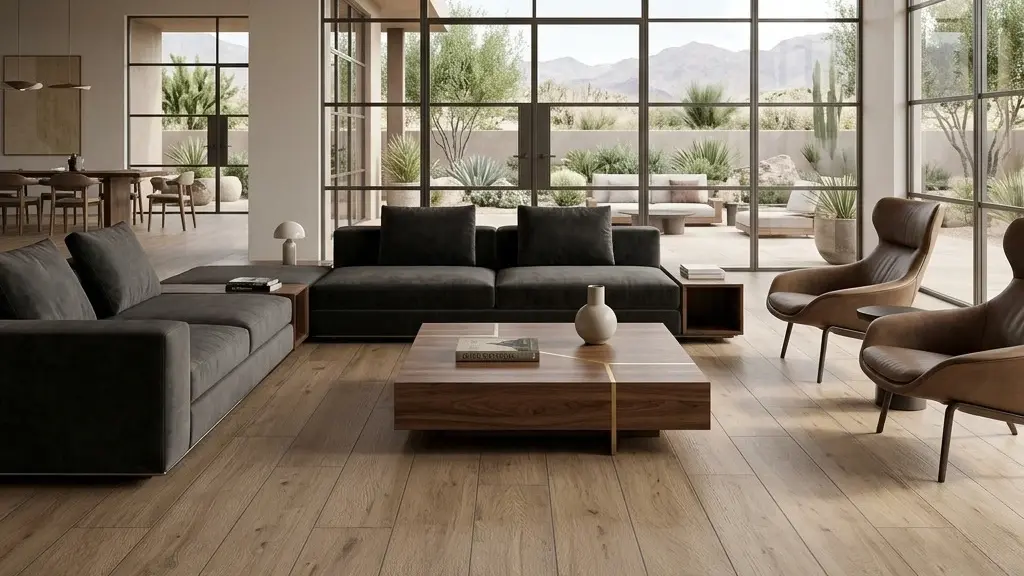
Getting Familiar With the Main Flooring Options
Once the room's function is clear, the material conversation gets much simpler, starting with tile itself. Porcelain and ceramic get grouped together constantly, but they're not the same material. Porcelain is fired hotter and pressed denser, which generally gives it a lower absorption rate than ceramic, and that difference matters in a climate that swings between dry summer heat and freeze-thaw winters. Ceramic is usually lighter and easier to cut, a practical choice for walls or lower-moisture rooms, but its higher porosity means it's better kept away from spaces that see standing water or repeated freezing, like an exposed entry. Porcelain is generally non-porous when properly selected, but regular cleaning is still recommended, which is a large part of why it shows up so often in mudrooms and entryways dealing with melting snow.
Hardwood brings warmth to living spaces and bedrooms. Fading resistance depends heavily on the specific finish and color, since not every hardwood coating handles sun exposure the same way, which matters for rooms that catch strong afternoon light through larger mountain-view windows.
Luxury vinyl plank and laminate are two more options to understand on their own terms, since they're often mentioned together but perform differently in practice. Vinyl plank is moisture resistant, but standing water should not be left sitting for long periods, which makes it a reasonable fit for entryways or bathrooms. Laminate is easy to maintain, but harsh cleaners should be avoided, and it tends to suit drier rooms better than spaces with regular moisture. This breakdown of laminate versus luxury vinyl plank goes into more depth on where each one tends to make the most sense.
Natural stone flooring, including granite and quartzite, brings a texture and character that's different from manufactured materials, since each slab has natural variation in tone and movement. It's durable, but proper care will help preserve its appearance, and for stone specifically, that care generally includes periodic sealing. How often resealing is needed depends on the stone's porosity and how much foot traffic the room sees, with denser stones typically needing it less often than more porous ones. Carpet still has a place in bedrooms and quieter living spaces where softness matters more than moisture resistance.
For a look at what's currently available, our online tile selection is a reasonable starting point before narrowing things down in person.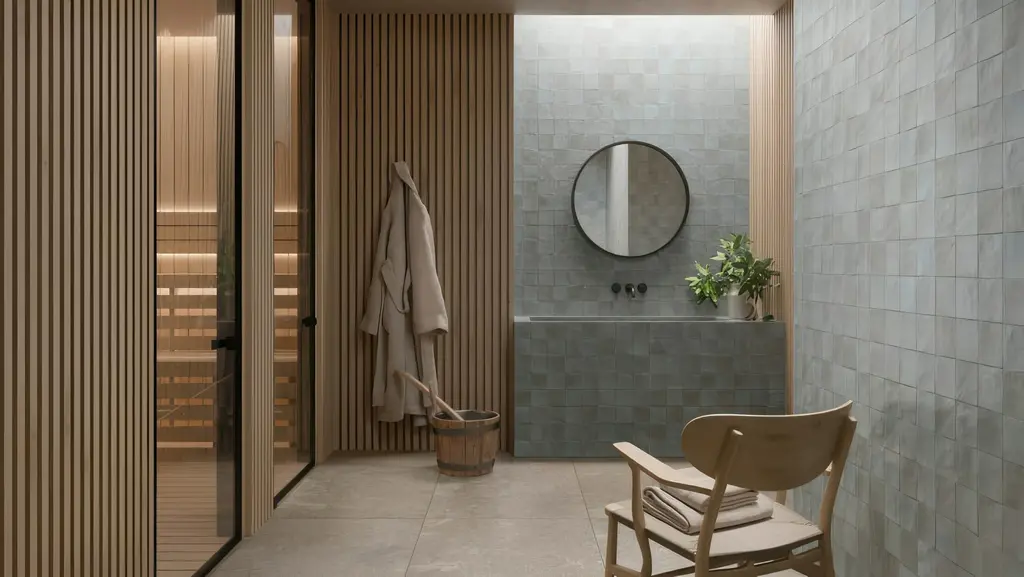
Wall Tile Is Where the Room's Personality Shows Up
Floors set the foundation, but wall tile is usually what a room is remembered for. A shower wall, kitchen backsplash, or accent wall behind a vanity all allow more freedom to experiment with pattern, texture, and color than flooring typically does, since wall tile doesn't carry the same foot traffic or slip considerations.
Tile size changes the feel of a space more than most homeowners expect. Larger format tile on a shower wall can make a small bathroom feel less closed in, while smaller mosaic pieces add texture and visual interest to a backsplash. Browsing tile by size is a useful way to see how different dimensions might work in a specific layout before committing to one.
Pattern is another place where wall tile can do more work than a flat, single-direction layout. A herringbone arrangement, for example, adds movement to an otherwise simple tile without needing a bold color to stand out. These herringbone pattern ideas show a range of ways the layout can be used, from a subtle backsplash to a more dramatic shower feature wall.
One spec that matters for larger-format wall tile is whether it's rectified. Rectified tile has edges cut to a precise, uniform size, generally allowing a tighter grout line and a flatter wall than non-rectified tile with slightly rounded edges. Grout width plays into this too, since a wider line hides small size variations better, while a narrow line leans on rectified edges to look clean.
Local Conditions That Shape a Material Choice
A few local specifics are worth layering onto a material decision beyond the usual kitchen-and-bathroom considerations. Humidity swings between seasons can affect materials sensitive to moisture changes, and rooms that get direct afternoon light for much of the year benefit from checking fade resistance ahead of time, since certain finishes resist fading well but prolonged exposure conditions should still be considered.
Homes near Gardnerville, South Lake Tahoe, or Stateline that see heavier seasonal foot traffic, from hikers, skiers, or weekend guests, tend to do better with flooring chosen for durability in entry and mudroom areas rather than softer materials that show wear more quickly.
Entryways that deal with snowmelt and mud also raise a question that doesn't get asked often enough: how slip resistant is the tile once it's wet. Tile is commonly rated using a measurement called DCOF, and a higher rating generally points to better traction on a wet surface. Floor tile is also rated on a separate wear scale called PEI, with higher numbers typically suited to heavier foot traffic areas like entryways and mudrooms, while lower ratings are usually a better match for walls or lighter-use spaces. Checking both ratings for a specific tile makes sense before choosing one for a wet, high-traffic entry.
Seeing Materials in Your Own Space Before Deciding
Photos and showroom lighting rarely match how a tile or floor will look once it's in a home with mountain light, wood tones, or a specific color scheme already in place. That's why bringing a sample home, or seeing options in person, tends to mean fewer surprises than choosing from a catalog alone.
Our Minden showroom is set up for exactly that kind of side-by-side comparison, with a wide enough selection to see how different materials, sizes, and finishes look next to each other. For anyone mapping out a visit, our location on Google Maps makes it easy to plan the trip alongside other stops in the valley.
Getting a Second Opinion Before Committing
Even with a clear sense of how a room is used, pairing floors and wall tile so an entire home feels cohesive is a different skill than picking one material in isolation. This is where outside perspective helps, particularly when juggling multiple rooms or matching a new material to finishes already in place.
A free design consultation is available for exactly this kind of question, with the flexibility to think things over rather than decide on the spot. It's a chance to talk through options with someone who spends every day looking at how these materials perform in real homes throughout the region, not just how they photograph. Booking a free design consultation is a straightforward way to get that input before making a final call.
Conclusion
Choosing floors and wall tile for a home in Minden comes down to a few honest questions: how the room gets used, how much moisture or sunlight it deals with, and how the material will hold up to the specific rhythm of life in this valley. For anyone just starting to look around, our website covers the full scope of what's available before narrowing things down in person. Nova Tile and Stone carries the range of materials needed to cover most of these situations, and seeing them in person, ideally with some expert input along the way, tends to make the final decision easier than working from photos alone.
Frequently Asked Questions
Porcelain is often a strong fit for these spaces because it generally has a lower absorption rate than ceramic, which matters for repeated exposure to melting snow and freeze-thaw conditions. It's non-porous when properly selected, but regular cleaning is still recommended to keep the surface and grout lines looking their best.
Most natural stone benefits from periodic sealing to help maintain its resistance to staining. How often it's needed depends on the stone's porosity and how much foot traffic the room sees, with denser stones typically needing it less often than more porous ones. A design consultation can help narrow down what a specific stone selection is likely to need.
Slip resistance is commonly measured using a rating called DCOF, or dynamic coefficient of friction, and tile with a higher rating generally offers better traction once it's wet. This is worth checking for any tile going into an entryway or mudroom that regularly deals with snowmelt or rain.
Many tile types work well with radiant heat systems since tile generally conducts heat effectively, though compatibility can vary by the specific product and installation method. Confirming this for a chosen tile is worth doing before finalizing a room with radiant heat.
Grout color can influence how noticeable staining becomes over time. Darker grout tends to show less discoloration than lighter shades, though all grout benefits from regular cleaning regardless of color.