Hardscaping refers to the built, non-living features of an outdoor space, such as patios, walkways, retaining walls, and pavers. Landscaping includes the entire outdoor design, from these structural features to lawns, trees, shrubs, and flower beds. The living elements are more precisely called softscaping, although homeowners often use “landscaping” to mean the planting side of a project. This article uses that common meaning when comparing materials, maintenance, and costs.
Homeowners planning an outdoor renovation often use "landscaping" as a catch-all term for anything happening in the yard, but the distinction between hard and soft elements actually shapes almost every decision in the design process, from budget to material selection to long-term upkeep. Understanding how hardscape features and planting areas work together makes it easier to plan a project, communicate with contractors, and set realistic expectations for maintenance. It can also help to review tile, natural stone, and flooring products together, since indoor material choices often carry through to a patio or walkway just outside the door.
What Is Landscaping?
Landscaping includes both hardscape features and planted areas. Its living component, known as softscaping, includes lawns, trees, shrubs, flower beds, and groundcover plants. These plants grow, change with the seasons, and require care such as watering, pruning, fertilizing, and pest management. Mulch is often used around them to cover the soil, but it is not a living element.
Landscaping decisions are often driven by climate, sunlight exposure, soil conditions, and personal taste in color and texture. A landscape plan might account for how a tree will look in ten years, how a flower bed will bloom across different months, or how a lawn will hold up under foot traffic. Because plant material is dynamic, landscaping is generally treated as an evolving project rather than a one-time installation.
What Is Hardscaping?
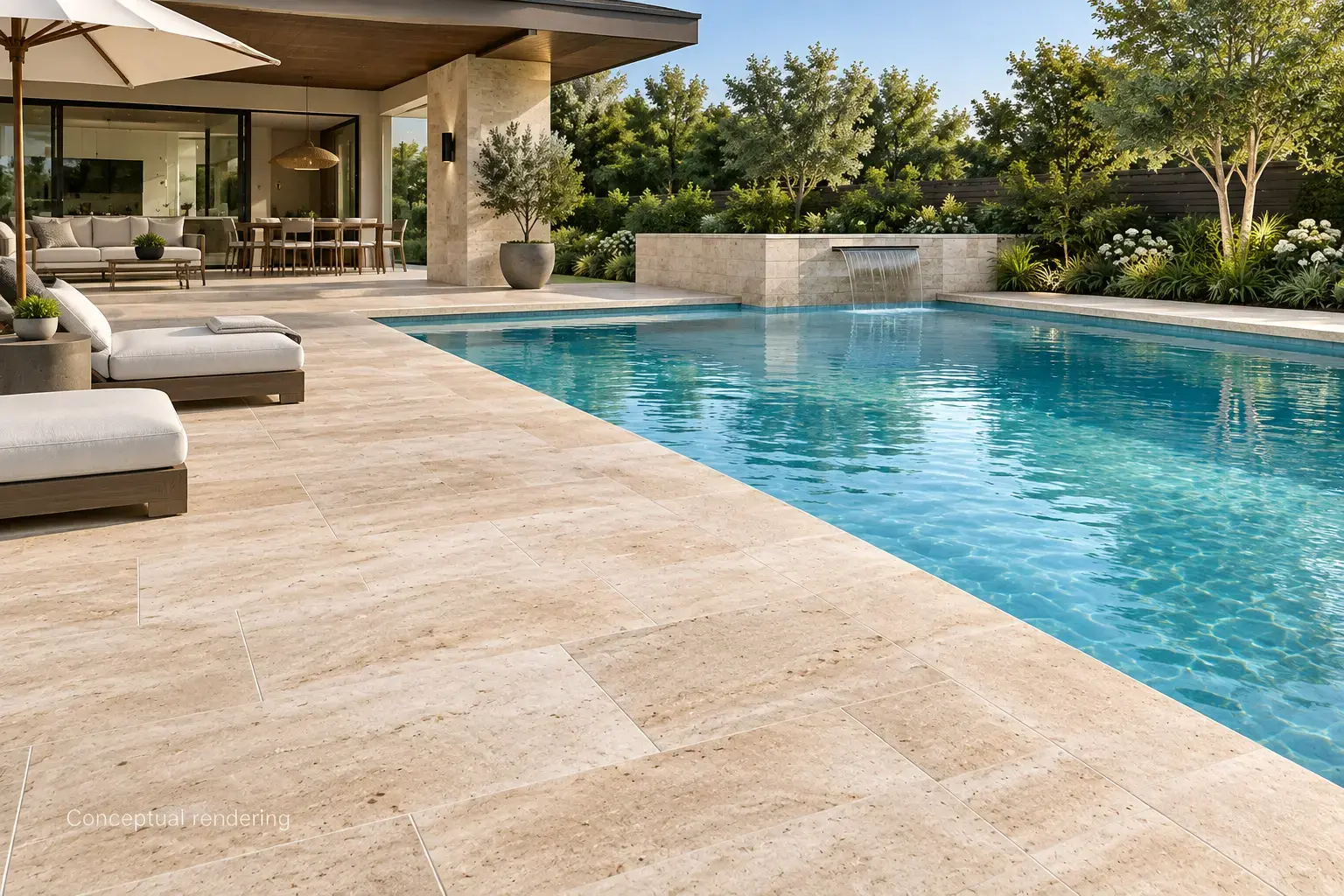
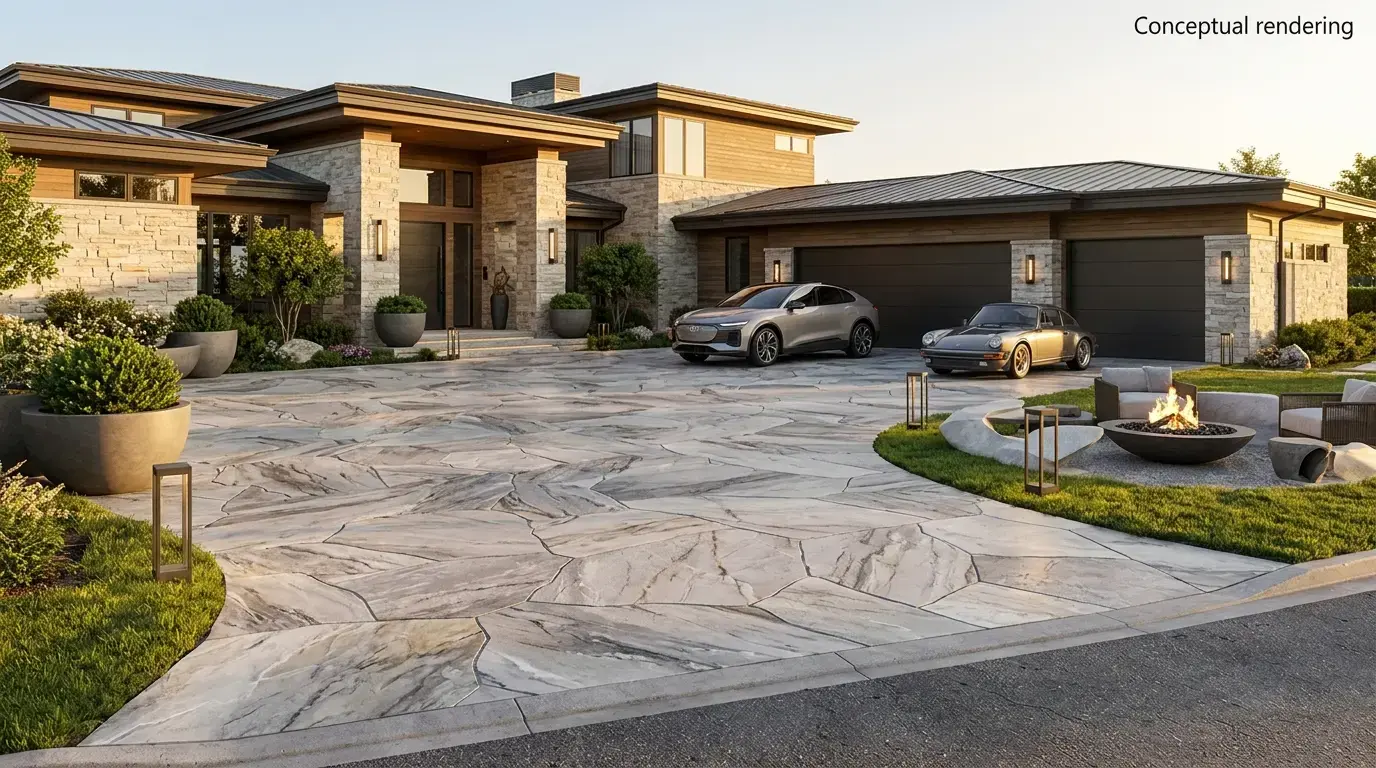
Hardscaping covers the built, non-living components of an outdoor space. This includes patios, walkways, driveways, retaining walls, steps, fire pit surrounds, pool decks, and any other feature constructed from materials like concrete, brick, wood, gravel, or natural stone and pavers. Unlike plants, hardscape features do not grow or require seasonal care in the same way; once installed, they largely retain their form and function for years, with maintenance limited to occasional cleaning, joint sand replenishment, or resealing depending on the material.
Hardscaping tends to define the layout and usable space of a yard. A patio determines where outdoor furniture goes, a walkway determines how people move through a garden, and a retaining wall can turn a sloped, unusable section of a property into a flat, functional area. Because hardscape materials are permanent or semi-permanent once installed, material selection carries more weight upfront than it does with plant choices, which can be replaced more easily if they do not work out.
Key Differences Between Hardscaping and Landscaping
Material Type
Softscaping uses living plants, while hardscaping uses non-living materials such as concrete pavers, natural stone, brick, gravel, or wood. This distinction between living and non-living material is the basis for most of the practical differences that follow.
Maintenance Needs
Living landscape elements require recurring attention, including mowing, watering, weeding, pruning, and seasonal replanting. Hardscape features generally need far less ongoing maintenance, though they are not maintenance-free. Paver joints can require occasional refilling, natural stone may need periodic sealing depending on the material, and surfaces benefit from regular sweeping or rinsing to prevent staining or debris buildup.
Cost Structure
Landscaping costs are often spread out over the life of a yard, with recurring expenses for plant replacement, mulch, irrigation, and seasonal color changes. Hardscaping costs tend to be concentrated at the time of installation, since materials like pavers or stone represent a larger upfront investment that is typically followed by lower ongoing spending.
Design Function
Landscaping contributes color, texture, seasonal variation, and a sense of growth to an outdoor space. Hardscaping contributes structure, usable square footage, and defined pathways or gathering areas. A yard with only landscaping may lack defined outdoor living space, while a yard with only hardscaping may read as stark or overly formal. Many outdoor designs combine both categories to balance function and visual interest.
Longevity and Change Over Time
Plants change substantially over time, filling in, spreading, or needing replacement, which means a landscape plan is rarely static. Hardscape materials are selected specifically because they hold their form, so a patio or walkway installed today should look and function largely the same years later, provided it was built on a proper base and installed with attention to drainage and grading.
Installation Timeline and Planning
Hardscaping projects typically require more upfront planning than landscaping projects. Before a patio, walkway, or retaining wall goes in, a contractor generally needs to account for grading, drainage, and the base material beneath the surface, since a poorly prepared base is a common cause of shifting, sinking, or cracking down the road. This planning stage can add time to a hardscape project compared to landscaping, where new plants, mulch, or sod can often be added in a single day with far less site preparation. Because materials need to be finalized before work begins, many contractors purchase them through a trade account, which can simplify pricing and delivery scheduling on larger hardscape projects.
Landscaping, by contrast, allows for more flexibility once a project is underway. A homeowner can add a new flower bed, swap out a struggling shrub, or expand a lawn area without significant disruption to the rest of the yard. Because hardscape features are meant to stay in place, mistakes in layout or material choice are more costly to correct, which is why many homeowners spend more time comparing options before committing to pavers, stone, or other hardscape materials than they do choosing individual plants.
Property Value Considerations
Both hardscaping and landscaping can contribute to a property's curb appeal and resale value, though they tend to do so in different ways. Hardscape features such as patios, walkways, and outdoor living areas often add functional square footage that buyers can evaluate immediately, since a finished patio or a well-built retaining wall demonstrates usable space in a way that is easy to picture year-round. Landscaping tends to add value through first impressions and overall upkeep, with a well-maintained lawn, healthy trees, and seasonal color signaling that a property has been cared for.
A yard that leans heavily toward one category over the other may not make the most of its resale value. An all-hardscape yard with no plant material can appear unfinished or overly commercial, while an all-landscape yard with no defined patio, walkway, or gathering space can lack the functional appeal that many buyers look for. Balancing the two tends to produce a more complete outdoor space, both for day-to-day use and for long-term property value.
How Hardscaping and Landscaping Work Together
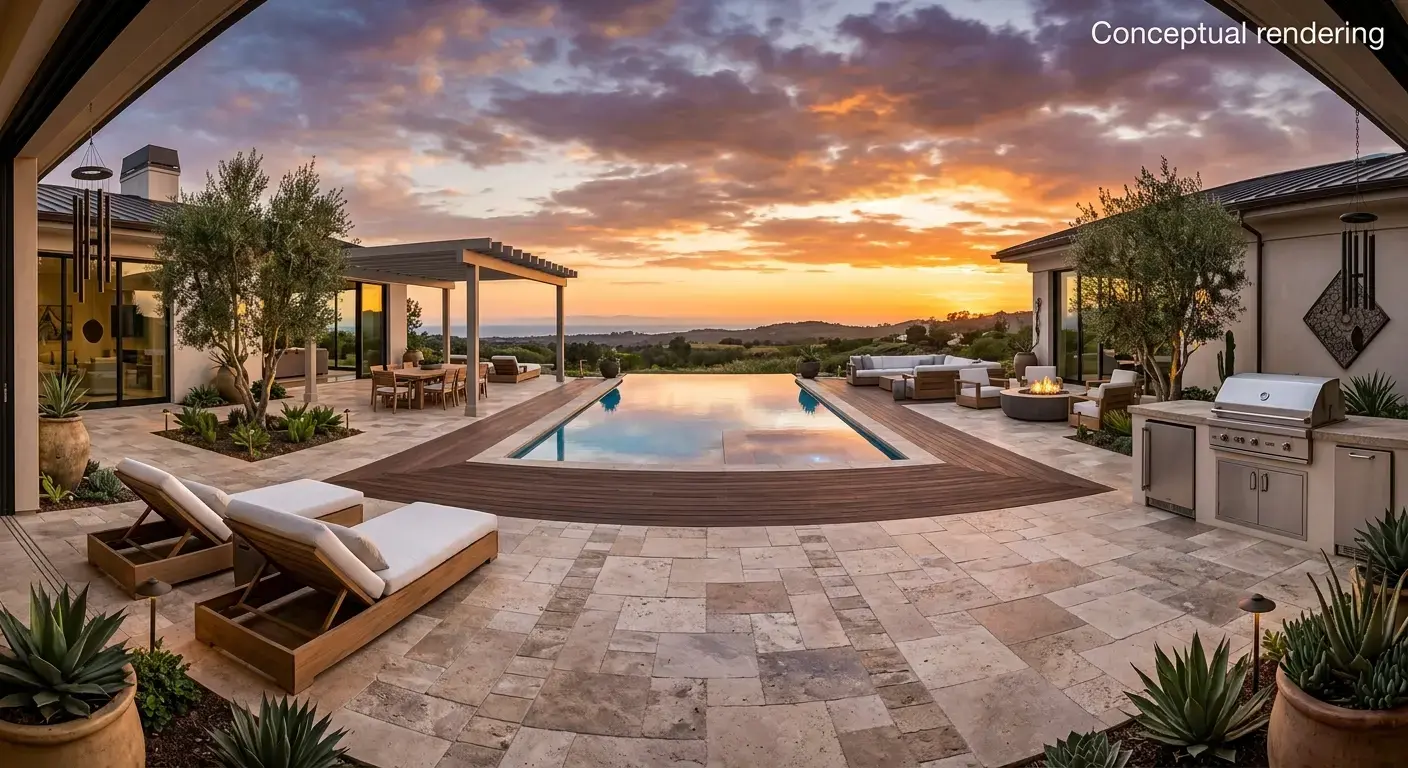
Many outdoor designs treat hardscaping and landscaping as complementary rather than competing categories. A patio or walkway (hardscaping) provides the framework for a space, while surrounding plant beds, container gardens, or lawn areas (landscaping) soften the hard edges and add seasonal interest. A retaining wall might solve a grading problem while also creating a raised bed for landscaping. A stone path might wind through a garden, giving structure to an otherwise loose planting scheme.
This interplay is one reason material selection matters so much for hardscape features. Pavers, natural stone, and other exterior stone products need to hold up to foot traffic, weather exposure, and freeze-thaw cycles while also complementing the plant palette and architectural style of the home. Since a hardscape feature is expected to last for years without a redo, it is worth taking time to compare colors, textures, and finishes before committing to a material. Homeowners who want a closer look at how hardscape and landscape elements might come together can also schedule a free design consultation to walk through options in person.
Choosing Materials for Hardscape Features
When planning a hardscape project, homeowners generally weigh a few factors: how the material performs outdoors, how it fits the overall design of the property, and how much upkeep it will realistically require. Concrete pavers offer a wide range of colors, shapes, and price points, making them a common choice for patios, walkways, and driveways. Natural stone pavers, such as flagstone or travertine, bring variation in color and texture that manufactured pavers cannot fully replicate, though they typically come at a higher price point. Gravel and loose-fill materials work well for informal paths or drainage areas but offer less stability for high-traffic zones.
Climate is also a factor worth considering, particularly for regions that experience temperature swings or occasional freezing. Materials with good freeze-thaw performance and slip resistance tend to hold up better outdoors over time, and comparing materials in person at one of our showroom locations rather than relying on photos alone can help account for how a stone or paver will actually look against real landscaping and outdoor lighting.
Beyond the paving surface itself, many hardscape projects also incorporate stone cut from slab material, such as an outdoor kitchen counter, a fire pit surround, or pool coping. For each application, confirm that the selected product is suitable for outdoor use and the expected exposure to moisture, freezing temperatures, or heat. Homeowners exploring these features can browse a live natural stone slab inventory to compare colors and veining, and can request pricing on a specific slab once they have narrowed down a favorite.
Conclusion
Hardscaping and softscaping are complementary parts of landscaping: built features provide structure and usable space, while plants add growth and seasonal change. Recognizing the difference helps homeowners plan a project more accurately, budget for the right mix of upfront and recurring costs, and choose materials that hold up to their specific climate and lifestyle. Whether the project is a full backyard renovation or a single walkway, balancing both categories tends to produce the most functional and visually cohesive result.
For homeowners comparing pavers, natural stone, or other exterior stone materials for an upcoming hardscape project, our showrooms are open for in-person browsing at:
- 6100 Warehouse Way, Sacramento, California,
- 12835 Old Virginia Road, Suite 24, Reno, Nevada,
- 2548 Business Parkway, Minden, Nevada, and
- 1855 US Highway 95A, Fernley, Nevada,
Our team at any of these locations can answer questions about the options on display.
Note: Some images on this page may be conceptual renderings created to illustrate design possibilities and may not depict actual installations.
Frequently Asked Questions
A patio is considered hardscaping because it is a built, non-living structure made from materials like pavers, concrete, or natural stone rather than plant material.
Generally, yes. Hardscape features like patios and walkways require far less recurring maintenance than living plants, though materials such as natural stone may still need occasional sealing, and paver joints can require periodic refilling.
Yes. Features like patios, walkways, and retaining walls can turn unused or difficult terrain, such as a sloped section of a yard, into flat, functional space for outdoor living or gathering.
Common hardscaping materials include concrete pavers, natural stone such as flagstone or travertine, brick, gravel, and poured concrete, each offering different price points, textures, and maintenance requirements.
Most yards benefit from a combination of built features and plants. More precisely, hardscaping and softscaping are both parts of landscaping. Hardscaping creates paths and gathering areas, while plants add color, texture, and seasonal variation.