Ledger stone is a natural stone wall covering made from thin, irregular stone pieces stacked in staggered, layered courses, creating a textured surface with visible shadow lines rather than a flat, uniform finish. It's also commonly called stacked stone, stone veneer, or culture stone, and it's typically quarried from slate, quartzite, travertine, marble, limestone, or sandstone. Most ledger stone is sold as pre-assembled panels, usually around 6 by 24 inches, with individual stone pieces mounted on a mesh backing and matching corner pieces available for clean edges. It's most commonly used on fireplace surrounds, accent walls, and shower or backsplash walls, since its layered profile is meant to be viewed rather than walked on.
What Materials Is Ledger Stone Made From?
Ledger stone is quarried from several different natural stone types, and the material affects both the appearance and the price point of the finished product, much like the variation you'd find across our broader natural stone selection.
Slate is one of the most common materials used for ledger stone. It splits naturally along flat planes, which suits the thin, layered profile ledger stone requires. Slate ledger stone is often available in dark charcoal and black tones, as well as multicolor blends.
Quartzite is another frequent choice, often with more shine or crystalline flecks than slate. It's a common option for homeowners who want a stone wall with some visual movement.
Travertine ledger stone brings a warmer, more porous look, typically in cream, ivory, and tan shades, and reads as softer and more traditional compared to slate or quartzite.
Marble ledger stone is also a standard option, often sourced in white or light tones, and brings the veining marble is known for into a stacked wall format.
Limestone and sandstone ledger stone are less commonly discussed but are used as well, generally offering muted, earthy color ranges.
Each of these materials comes with different care requirements. Porous stones like travertine and limestone benefit from periodic sealing to help resist staining, while denser stones like slate and quartzite generally need less frequent sealing.
Where Is Ledger Stone Typically Used?
Ledger stone is almost always used as a wall or vertical surface covering rather than a floor or countertop surface, since its layered profile is meant to be viewed rather than walked on. A few of the most common applications include:
Fireplace surrounds. This is probably the single most recognizable use of ledger stone. Running ledger stone from the hearth up to the ceiling, or framing just the firebox area, creates a focal wall that draws attention to the fireplace as a design feature.
Accent walls. Ledger stone works well as a stand-alone accent wall in living rooms, entryways, and bedrooms, especially when paired with lighting that highlights the texture and shadow lines between pieces.
Kitchen backsplashes. Ledger stone is used in kitchens where homeowners want a more organic, natural-material look behind the range or sink, though its texture makes it somewhat less common than flat tile for this application.
Bathroom walls. In spa-style bathrooms, ledger stone frequently appears on a shower accent wall or behind a soaking tub to bring a natural material into a space that otherwise features a lot of glass and polished fixtures.
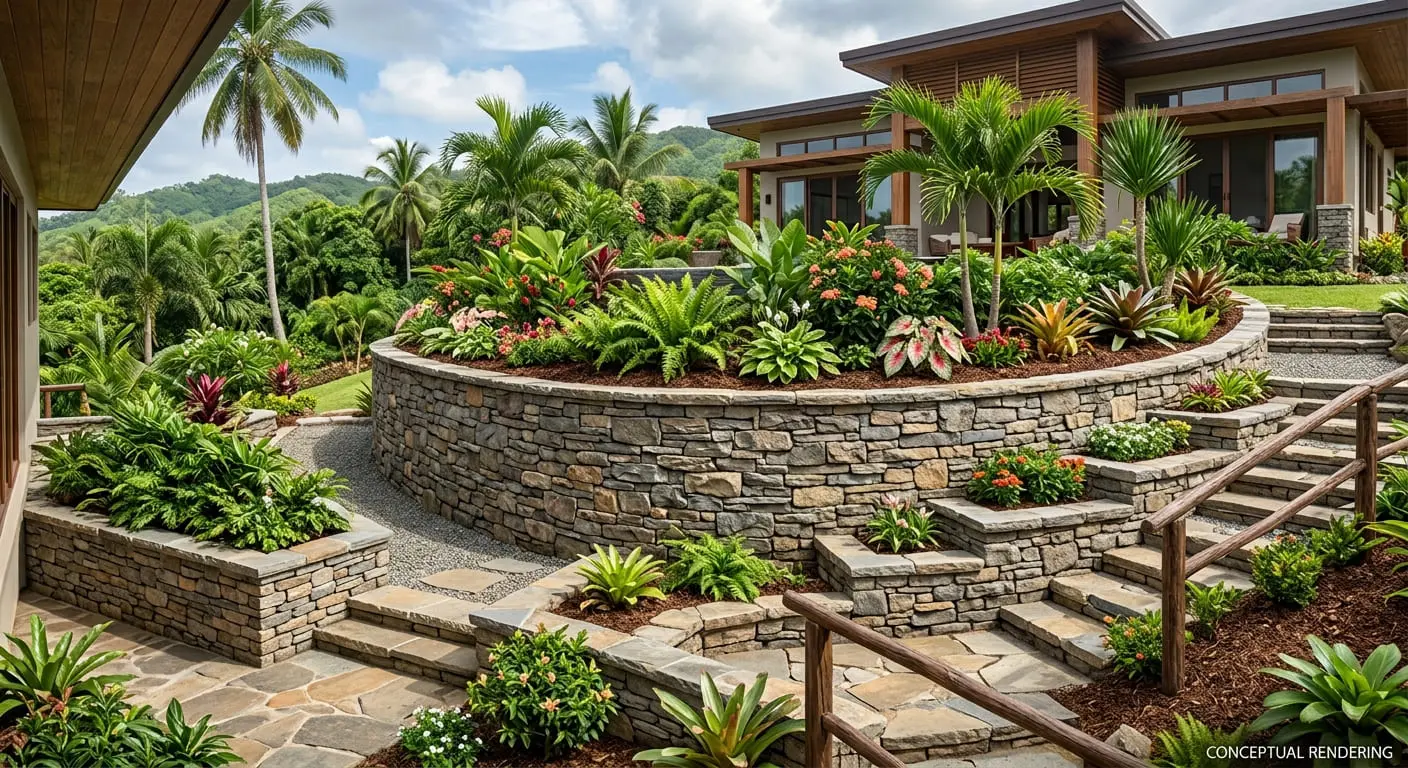
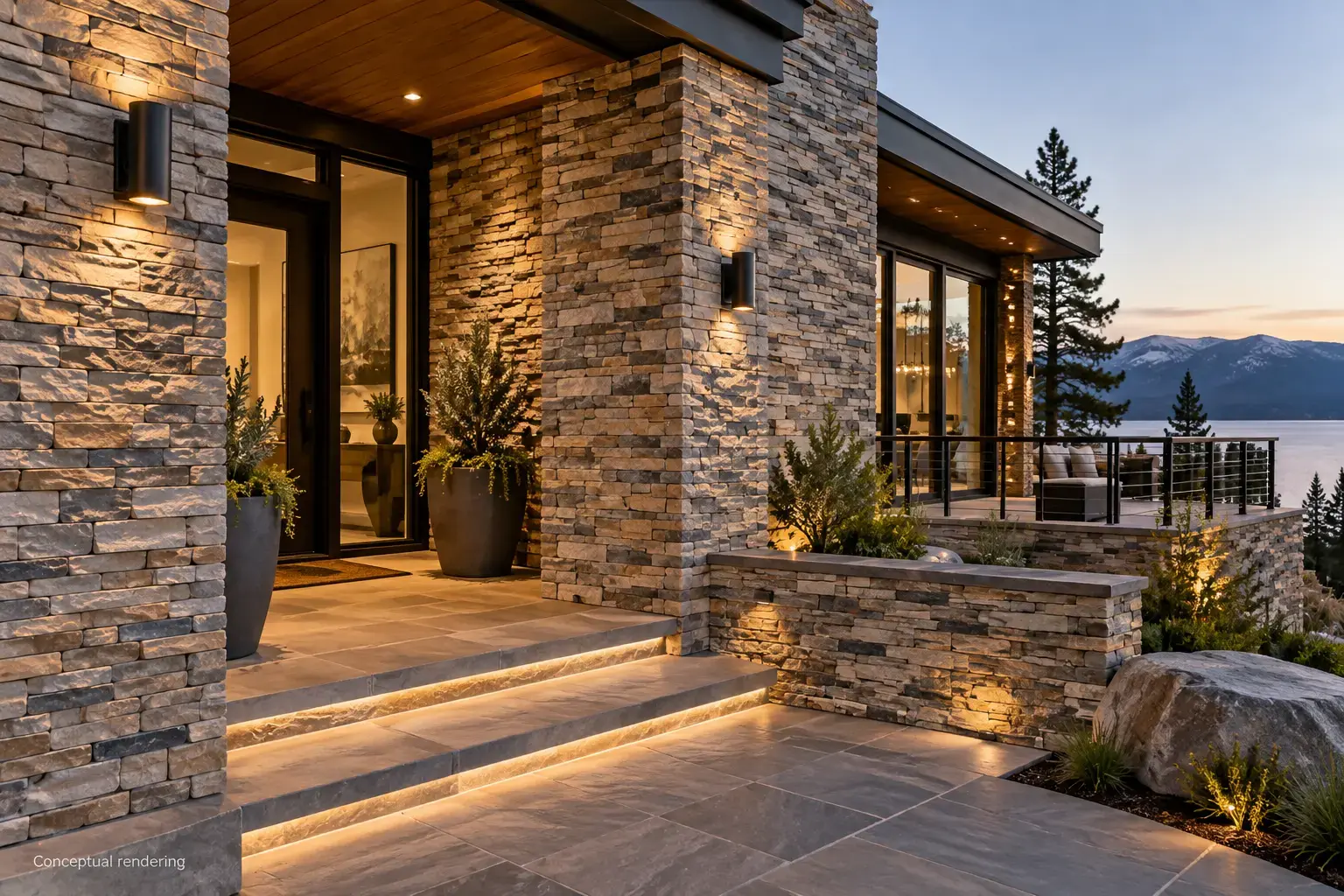
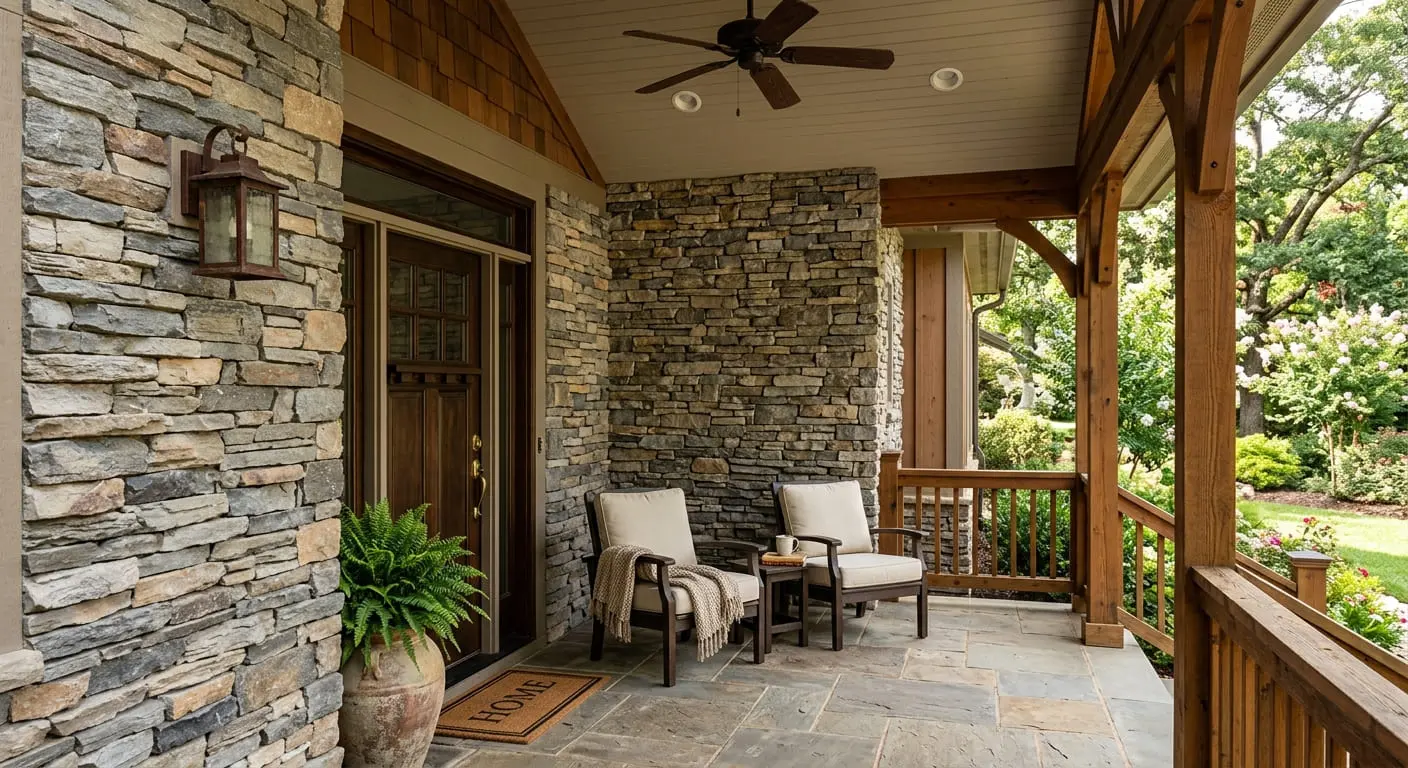
Exterior applications. Ledger stone also appears outdoors on entryway columns, outdoor kitchen surrounds, pool areas, and retaining wall faces, provided the specific stone is rated for exterior exposure and local climate conditions.
Because color and texture can look different once a panel is scaled up across a whole wall, whichever application you're considering, it often helps to visit a showroom and see a larger sample section in person before committing.
What Are the Advantages of Ledger Stone?
Ledger stone offers a few practical advantages that explain its continued popularity as a design material.
Texture and depth. Because the individual pieces vary in thickness and sit at slightly different depths, ledger stone creates natural shadow lines that flat tile simply cannot replicate. This texture becomes more pronounced under directional lighting, such as recessed can lights or a fireplace's own glow.
Natural material variation. Since each piece is cut from natural stone, color and texture vary somewhat from piece to piece within a single installation. Homeowners choosing ledger stone are typically looking for a wall that reflects that natural variation rather than a uniform, manufactured surface.
Panel format simplifies coverage. Ledger stone is typically sold in pre-assembled panels with matching corner pieces, which makes covering a wall or wrapping a column edge more straightforward than working with individually cut stone.
Design flexibility. Ledger stone pairs with a range of interior styles, from rustic and farmhouse to modern and industrial, depending on the stone color and the surrounding materials it's paired with. For larger renovations spanning multiple rooms, contractors and designers coordinating that scope of work may also want to look into applying for a trade account for volume pricing.
What Should You Consider Before Choosing Ledger Stone?
A few practical factors are worth thinking through before settling on ledger stone for a project.
Texture and cleaning. The layered, uneven surface of ledger stone can collect dust in the recessed areas between pieces more readily than a flat tile surface. In kitchens especially, this is worth factoring into the decision, since grease and food splatter can settle into the texture.
Sealing needs. Porous stones like travertine and limestone may need periodic sealing to help resist moisture and staining, particularly in bathrooms and kitchens. Denser stones like slate and quartzite typically require less frequent sealing, but checking the specific stone's care recommendations is a good idea regardless of type.
Color and pattern planning. Because ledger stone has natural variation, it helps to view a sample of the actual batch before committing, since color tone can shift somewhat from one production run to the next.
Budget. If you're working within a tighter budget, it's worth checking our overstock sale, since discontinued or excess ledger stone lots are sometimes available there at reduced pricing.
Scale of the space. Ledger stone's texture reads well on a focal wall or fireplace but can feel visually heavy if used across a very large surface area. Many designers use it as an accent rather than covering an entire room in it.
Is Ledger Stone Still a Popular Design Choice?
Ledger stone has remained a consistent presence in interior design for fireplace and accent wall applications for years, and it continues to show up regularly in both traditional and modern home designs. Rather than being tied to a single design era, ledger stone tends to get reinterpreted through color choice and stone type. A lighter travertine ledger stone reads as warm and traditional, while a dark, almost black slate ledger stone feels more current and minimalist. Because of this flexibility, ledger stone has stayed relevant across a range of design trends rather than falling in and out of fashion the way some finishes do.
Conclusion
Ledger stone remains one of the ways to bring natural material and texture into a home, whether it's framing a fireplace, anchoring an accent wall, or adding depth to a shower surround. Because it comes in several different stone types, from slate to quartzite to travertine to marble, there's a range of color and finish options to fit different design directions. If you're weighing ledger stone against other wall covering options for your project, our team can help you think through which stone type and color would fit your space best. You can book a free design consultation or stop by one of our showrooms in Sacramento, Reno, Minden, or Fernley to talk through your project and explore your options.
Note: Some images on this page may be conceptual renderings created to illustrate design possibilities and may not depict actual installations.
Frequently Asked Questions
Yes, "ledger stone" and "stacked stone" are generally used to describe the same product: thin, irregular pieces of natural stone assembled into a layered, staggered panel. The names are often used interchangeably in the flooring and design industry, along with terms like "stone veneer" and "culture stone."
Ledger stone can be used outdoors, but the specific stone type needs to be suited to outdoor exposure, including freeze-thaw cycles in colder climates. Not every stone used for indoor ledger applications is rated for exterior use, so it's worth confirming before selecting a product for an outdoor project.
Some ledger stone materials, particularly more porous stones like travertine and limestone, benefit from periodic sealing to help resist staining and moisture absorption. Denser stones like slate and quartzite generally need less frequent sealing, but checking the care guidance for the specific stone is recommended.
Ledger stone is lighter than full-thickness natural stone blocks or slabs, since it's cut into thin pieces mounted on a backing. Exact weight varies by stone type and panel size, but it's generally practical for vertical wall applications.
Fireplace surrounds and accent walls are the most common applications, but ledger stone also works well in bathrooms as a shower or tub surround and in kitchens as a backsplash for homeowners who want a more organic, textured look.