Before you start a hardscape project, ask 10 key questions about function, space, climate, drainage, style, maintenance, safety, permits, budget, and installation. The most important is what you want the space to do, because it shapes the size, layout, and materials of the whole project. Your answers will point you toward the right surface, whether that’s porcelain pavers, concrete pavers, travertine, flagstone, or granite.
Hardscape is the built, non-living part of a landscape, including patios, walkways, driveways, steps, retaining walls, and fire pit surrounds. Because these features are difficult and costly to change once they’re in place, planning matters more than it does for plants or outdoor furniture. Below, we walk through each question, what to look for in your answer, and how it narrows your material choices.
What Do You Want the Space to Do?
Function comes first because every other decision builds on it. A patio built for weekend dinners for eight needs a different size, surface, and layout than a quiet reading nook or a path from the driveway to the side gate.
Make a short list of the activities you picture in the space: dining, lounging, grilling, kids playing, a hot tub, a fire pit, or simply getting from one point to another without walking on wet grass. Then rank them. Most yards can’t do everything well, and knowing your top two or three priorities makes it easier to decide where hardscape belongs and where planting or open lawn makes more sense.
Function also points you toward the right material. A dining patio benefits from a flat, even surface where chair legs sit level, such as calibrated pavers or porcelain. A garden path can handle more texture, like tumbled pavers or irregular flagstone. A driveway needs material rated for vehicle loads, which rules out some thinner patio products entirely. If you want a second opinion on which surface suits each use, you can book a free design consultation and bring photos and rough measurements of your yard.
How Much Space Do You Have, and How Will People Move Through It?
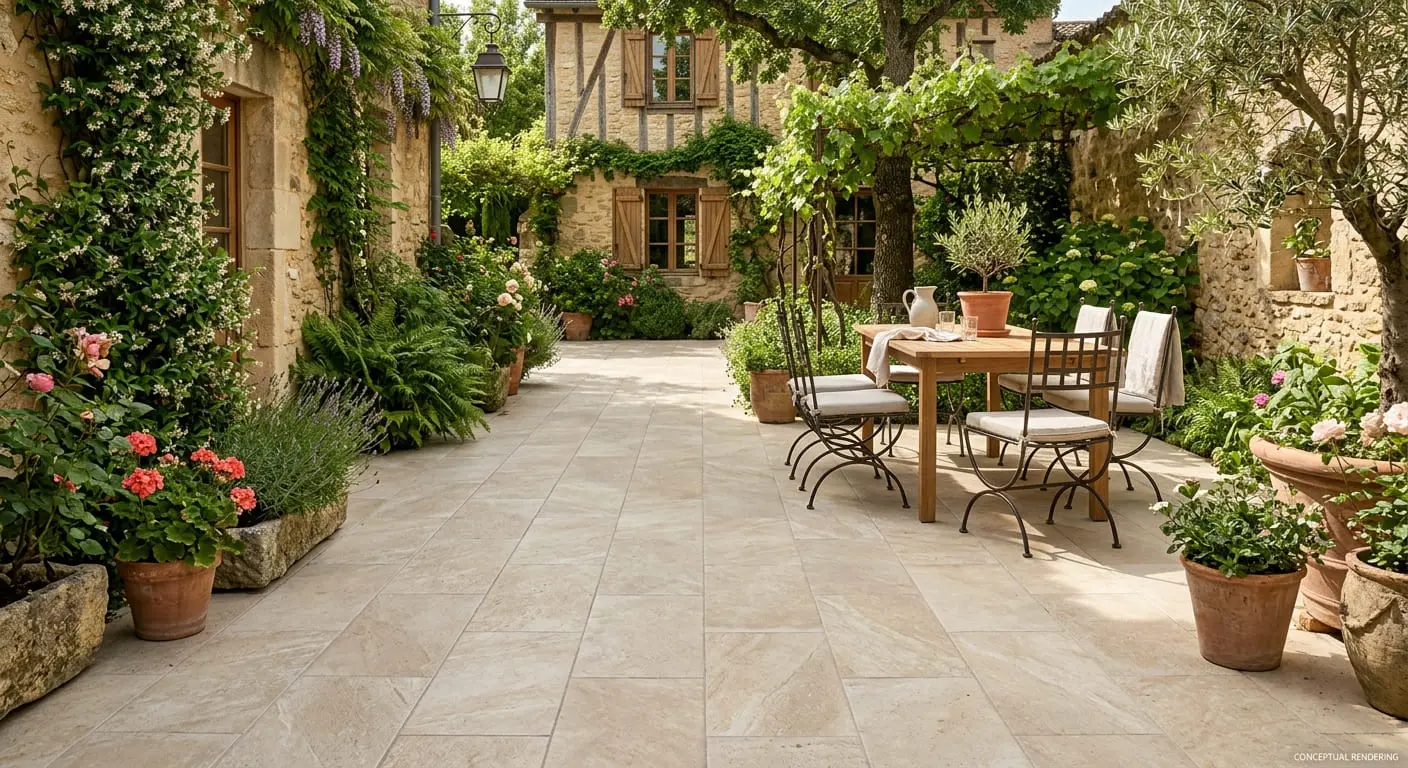
Measure the area before you fall in love with a design. A common mistake is building a patio that looks generous on paper but feels cramped once a table, chairs, and a grill are in place. Leave room for people to walk around furniture and pull chairs back without stepping off the edge.
Think about traffic flow too. Where do people enter the yard? Which doors open onto the space? Where does foot traffic naturally cut across the lawn today? Worn paths in the grass often show you exactly where a walkway should go. Placing hardscape along these natural routes makes the yard easier to use and protects planted areas.
It also helps to mark the layout on the ground with string, garden hose, or spray paint and live with it for a few days. Set out the furniture you plan to use. This simple step often reveals that a patio needs to be wider, a path needs a gentler curve, or a seating area would get better shade a few feet to the left.
What Will Your Climate Ask of the Material?
Your local weather should narrow your material list early. Where summers are hot and dry, the main concerns are surface heat, UV fading, and dust. Where winters are cold, freeze-thaw cycles are the bigger test, since water that soaks into a porous material can expand when it freezes and cause cracking or surface flaking over time.
A few questions help here. Does the area get regular frost or snow? Will the surface sit in full sun all afternoon? Will you use deicing products in winter? Each answer affects which materials make sense. Denser materials such as porcelain pavers, granite, and many quartzites absorb very little water, which helps in freezing conditions. More porous stones, such as some limestones and sandstones, vary widely in how well they handle repeated freezing, so check the specific product’s suitability for cold-climate exterior use.
Ask for each product’s technical data when you compare pavers and exterior stone. Water absorption rates and freeze-thaw ratings tell you more about outdoor performance than appearance alone.
How Does Water Move Across Your Yard?
Every hard surface changes how rain and irrigation water travel across a property. Before you add a patio or walkway, watch where water goes during a heavy rain or after the sprinklers run. Note any low spots that puddle, areas that stay soggy, and the direction water flows toward or away from the house.
A new patio should slope gently away from the foundation so water drains off rather than pooling against the home. Your contractor will plan the exact grade, but knowing the existing problem areas helps you have a more useful conversation about layout and base preparation.
Drainage can also influence material choice. Permeable pavers, gravel joints, and wider-spaced stepping stones let some water soak into the ground instead of running off. In yards with poor drainage, or where local rules limit runoff, these options are worth asking about early in the planning process.
Which Material Fits Your Home’s Style?
Hardscape tends to look most cohesive when it relates to the house. Before choosing a material, look at your home’s architecture, exterior colors, and any stone or brick already on the property. These existing elements give you a starting palette.
Some general pairings work well:
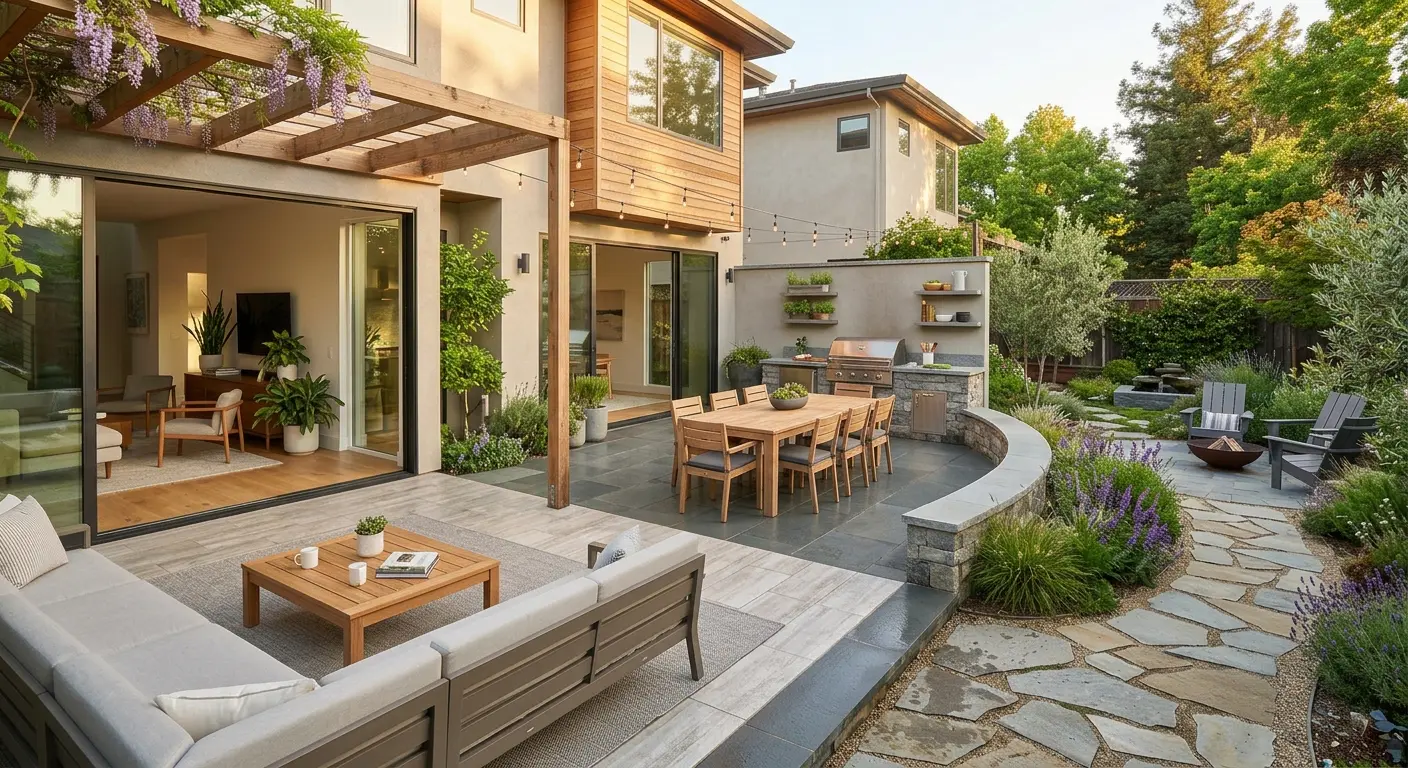
- Contemporary homes often suit large-format porcelain pavers, honed stone, and simple grid or running bond patterns.
- Craftsman and traditional homes tend to pair well with warm-toned flagstone, tumbled pavers, and stacked stone accents.
- Spanish and Mediterranean homes often look natural with travertine, terracotta tones, and soft, rounded edges.
- Farmhouse and ranch-style homes can carry rustic textures, irregular flagstone, and earthy colors.
Also think about how many materials you want to combine. Two or three that coordinate usually look more intentional than five that compete. Seeing materials in person gives a much more accurate picture than browsing photos online, which is why we recommend visiting one of our showrooms before you decide. Bring photos of your siding, trim, and roof when you compare options so you can judge how each color works with the house.
How Much Maintenance Are You Willing to Take On?
All hardscape needs some care, but the amount varies widely by material. Be honest about how much time you want to spend sweeping, rinsing, resealing, and pulling weeds from joints.
Porcelain pavers sit at the low-maintenance end. With water absorption of 0.5% or less, they resist stains, generally don’t need sealing, and clean up with water and a mild cleaner. Concrete pavers and dense natural stones such as granite need occasional cleaning and may benefit from sealing, depending on use and exposure. More porous stones, including travertine and some limestones, often call for periodic sealing to help resist stains from leaves, grills, and spilled drinks.
Joints matter as much as the surface. Wide sand or gravel joints can invite weeds and ants, while joints filled with polymeric sand tend to resist weed growth and washout better than loose sand, though no joint stays completely weed-free. If you have trees nearby, also consider how easily leaves, pollen, and sap will show on a light or dark surface.
Is the Surface Comfortable and Safe Underfoot?
A material can look right and still be uncomfortable to use. Two questions deserve attention: how hot it gets in the sun, and how slippery it gets when wet.
Surface heat depends mostly on color and density. Lighter materials such as cream travertine, light limestone, and pale porcelain usually stay cooler than dark stone or charcoal pavers. If the area surrounds a pool or will see bare feet in summer, lighter tones are worth considering.
Slip resistance depends on finish. Textured finishes such as tumbled, flamed, brushed, or structured porcelain provide better grip than smooth or polished surfaces, which are better suited to indoor use. For outdoor porcelain, ask about the product’s dynamic coefficient of friction (DCOF) and whether the manufacturer classifies it as Exterior Wet (EW) under ANSI A326.3, the category meant for patios, walkways, and pool decks. Steps, pool decks, and shaded areas that stay damp need the most attention, as do homes with young children or older family members.
Do You Need a Permit or HOA Approval?
Check the rules before you commit to a design. Many simple patios and walkways don’t need a permit, but requirements vary by city and county. Retaining walls above a certain height, new or widened driveways, structures like pergolas, and anything involving gas lines for fire features or outdoor kitchens often do.
If you live in a neighborhood with a homeowners association, review its guidelines as well. HOAs may limit materials, colors, front yard coverage, or how much of a lot can be paved. Some require design approval before any work starts, so build the review time into your schedule.
It’s also smart to ask about setbacks, easements, and underground utilities. In California and Nevada, homeowners and contractors are required by law to contact 811 at least two working days before digging, no matter how shallow the work, so buried utility lines can be marked first. Sorting these details out early prevents delays and costly redesigns later.
What Is Your Budget, and Where Should It Go?
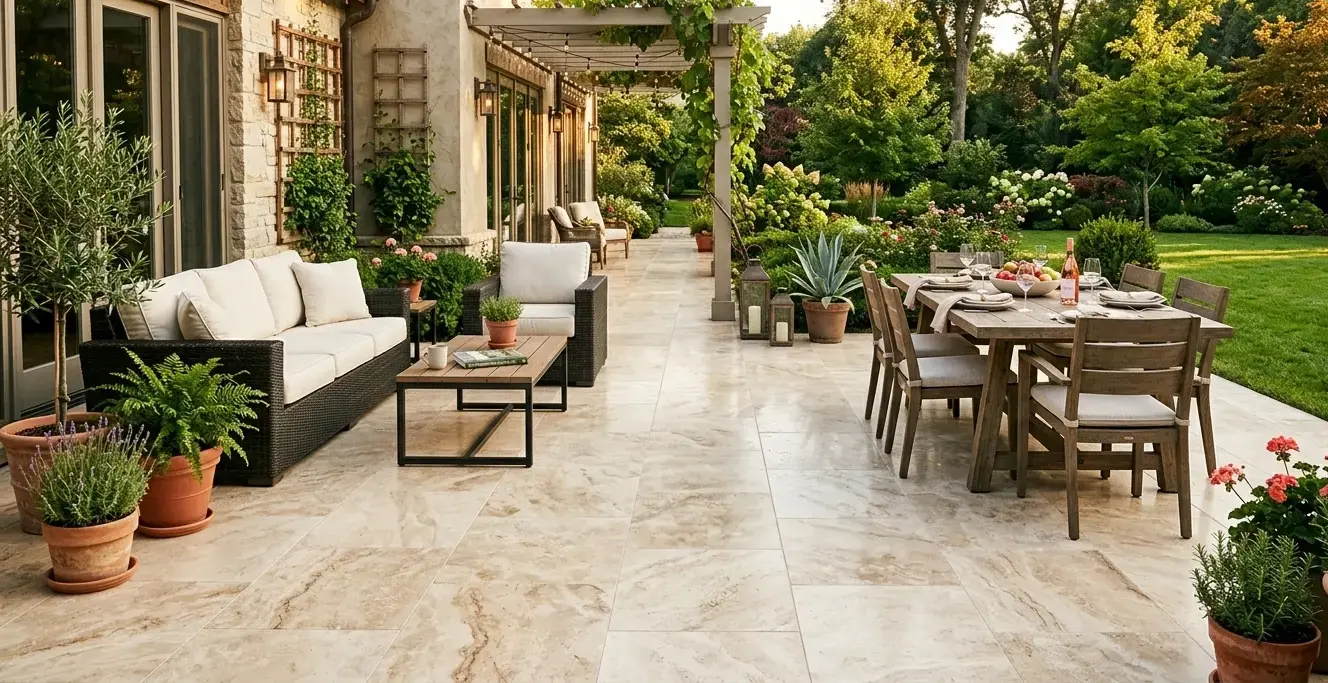
Set a working budget before you start comparing materials, and include more than the surface itself. Hardscape costs typically cover materials, excavation, base preparation, labor, edging, drainage, and cleanup. Base work is often a larger share of the total than homeowners expect, and it’s not the place to cut corners, because a weak base is a common cause of sinking and shifting.
If the budget feels tight, decide where quality matters most. The main patio or entry walk that everyone sees and uses daily may deserve the material you love most, while side paths and utility areas can use simpler options such as gravel or standard pavers. For smaller areas, our overstock sale is worth a look for close-out materials, as long as you confirm there’s enough quantity to finish the job.
Phasing is another option. You can build the patio this year and add the fire pit area, garden paths, or seat walls later. If you plan to phase the work, choose a material line that is likely to stay available so future sections match.
Who Will Handle the Installation?
Decide early whether you’ll hire a licensed landscape or hardscape contractor or take on part of the work yourself. Small projects like a stepping stone path or a gravel area can be reasonable weekend jobs. Patios, driveways, steps, and retaining walls usually call for professional excavation, compaction, and grading.
When you talk with contractors, a few questions help you compare them fairly:
- How deep will the base be, and what material will you use for it?
- How will you handle drainage and slope?
- What edge restraint will hold the pavers or stone in place?
- Have you worked with this specific material before? Can I see photos of past projects?
- Is the project covered by a written warranty on workmanship?
Involve your contractor in material selection. Some products need specific setting methods, and an installer who knows the material can tell you how it will perform on your site. If you’re a contractor, designer, or architect sourcing hardscape materials for clients, you can apply for a trade account for trade pricing and job-site delivery.
Conclusion
A hardscape project goes more smoothly when the big questions are answered before the first shovel hits the ground. Knowing how you’ll use the space, how much room you have, what your climate and drainage demand, and how much upkeep you’re comfortable with makes material selection much simpler. Checking permits, HOA rules, and your budget early keeps the project on schedule and avoids redesigns.
Once you have your answers, the next step is comparing materials in person. Seeing pavers, natural stone, and porcelain side by side helps you judge color, texture, and finish in a way photos can’t. Our team is happy to talk through your plans and help you narrow down options that fit your home and how you live outdoors. You can visit us at our showrooms in Sacramento, Reno, Minden, and Fernley to explore our exterior stone for patios, walkways, and outdoor living areas.
Note: Some images on this page may be conceptual renderings created to illustrate design possibilities and may not depict actual installations.
Frequently Asked Questions
The first step is deciding what you want the space to do, such as dining, lounging, or creating a path. Once you know the main uses, you can plan the size, layout, and materials that support them.
Spring and early fall are popular for construction because the weather is mild and the ground is workable. Planning in winter gives you time to compare materials, get permits, and book a contractor before the busy season.
Porcelain pavers are among the lowest-maintenance options because they resist stains and generally don’t need sealing. Dense natural stones such as granite also need relatively little care compared with more porous stones.
Many basic patios and walkways don’t need a permit, but rules vary by city and county. Taller retaining walls, new or widened driveways, gas lines, and covered structures often do, so check with your local building department and HOA first.
Start with your home’s architecture and existing exterior colors, then pick two or three materials that coordinate with them. Comparing materials in person gives a more accurate sense of color and texture than photos do.