Pavers generally hold up better than poured concrete over time. Because pavers are installed as individual units over a flexible base rather than as one connected slab, they flex with soil movement and freeze-thaw cycles instead of cracking, and a damaged paver can be replaced on its own rather than repairing the whole surface. Concrete costs less to install upfront, but it's more prone to visible cracking, and once it cracks, the repair rarely blends in. Here's how the two materials actually compare on cracking, freeze-thaw performance, repair cost, and long-term maintenance.
How Each Material Is Built
Poured concrete is placed as a single continuous slab. A crew pours wet concrete into forms, screeds it level, and lets it cure into one solid piece. Because it's one connected surface, it moves as one unit. When the ground beneath it shifts from freeze-thaw cycles, tree roots, or settling soil, the slab has nowhere to flex. It cracks.
Pavers work differently. Each unit is individually manufactured, then installed side by side over a compacted base and a layer of bedding sand, with joint sand locking the units together. Because a paver surface is made of hundreds of small, separate pieces rather than one slab, it can flex slightly as the ground below it shifts. Individual pavers can rise, settle, or tilt independently without transferring stress to the units around them. That flexibility is the core structural difference between the two materials, and it explains most of what follows.
Cracking and Structural Failure
This is where the two materials diverge most clearly.
Concrete is more prone to cracking than pavers, even when it's properly installed. Most poured slabs develop hairline cracks as they cure, and those cracks tend to widen over time from temperature swings, moisture, and ground movement. Once a slab cracks, the crack is permanent. Repairs involve patching, resurfacing, or replacing entire sections, and a patched or repoured area rarely matches the surrounding concrete's color, texture, or weathering.
Pavers don't crack the way slabs do, because there's no single slab to crack. A paver can chip at a corner or an edge can wear down, but the failure is isolated to that one unit. If a single paver becomes damaged, it can be lifted out and swapped for a replacement without disturbing the surrounding surface. This is one of the more practical long-term advantages of a paver system: repairs are localized instead of surface-wide. If you want to see the difference up close before deciding, any of our showrooms keeps both materials on display so you can compare them side by side.
Ground Movement and Settling
Sacramento-area soil, along with soil in much of the Central Valley and Sierra foothills, expands and contracts with seasonal moisture changes. Expansive clay soils in particular swell when wet and shrink when dry, putting constant pressure on anything built on top of them. Our Sacramento showroom fields plenty of questions from homeowners dealing with heaving driveways and cracked walkways caused by exactly this kind of soil movement.
A concrete slab resists this movement until it can't, and the result is cracking, heaving, or uneven settling that shows up as a trip hazard. A paver surface, by contrast, is designed to accommodate this kind of movement. The joints between units and the flexible base underneath allow the surface to shift slightly without breaking. In areas where soil movement is common, this flexibility often translates into fewer structural problems over a comparable time frame.
Weather and Freeze-Thaw Exposure
In regions that see freezing temperatures, water that seeps into small cracks in concrete expands as it freezes, widening those cracks with every cycle. Over several winters, this process, known as freeze-thaw damage, can turn a small surface crack into a significant structural issue. Homeowners near our Reno showroom deal with this every winter, since Northern Nevada sees far more hard freezes than the Sacramento Valley.
Pavers handle this differently. Water drains through the joints between units rather than pooling on a solid surface, which reduces the amount of moisture that has a chance to freeze and expand within the material itself. Individual pavers can also be made from denser materials, such as clay brick or certain concrete paver formulations, that resist water absorption better than a standard poured slab.
Repair Costs and Process
Repair cost is one of the more overlooked differences between the two materials.
Fixing a cracked concrete slab typically means one of three things: patching the crack (which is visible and temporary), resurfacing the entire slab, or removing and repouring the affected section. All three options require specialized equipment, curing time during which the area is unusable, and in most cases a visible difference between old and new concrete.
Paver repairs are more contained. A contractor lifts the damaged units, corrects the base material underneath if needed, and resets new pavers in their place. Because the replacement pavers can be sourced to match the existing color and pattern, the repaired area blends in far more easily than a concrete patch does. The area is also typically usable again much sooner, since there's no slab curing time involved. Contractors handling paver repairs across several properties can also apply for a trade account to get job-site delivery and trade pricing on replacement units.
Maintenance Over Time
Concrete generally requires less routine maintenance in the first several years, since it's a single sealed surface with no joints to maintain. Over time, though, most concrete surfaces benefit from periodic sealing to help resist staining and moisture penetration, and any cracks that develop need to be addressed before they widen.
Pavers require a different kind of upkeep. Joint sand can wash out over time and typically needs to be replenished every few years, and the surface benefits from occasional resealing to help lock the sand in place and resist weed growth between joints. Weeds can grow in paver joints if they aren't properly sealed or maintained, though this is largely preventable with routine care.
Neither material is maintenance-free, but the type of maintenance each requires is different: concrete maintenance is about managing an existing, connected surface, while paver maintenance is about keeping the joints between units stable. If you want to see the difference up close, stop by our Minden showroom and we can walk you through what both surfaces look like a few years in.
Color and Surface Consistency Over Time
Poured concrete can be colored with integral pigments or stains, but exposure to sun and weather tends to fade or unevenly wear that color over the years, especially on surfaces that see regular foot or vehicle traffic. Because it's one continuous slab, any fading or staining is visible across the entire surface, and there's no way to selectively address a worn patch without it standing out.
Pavers are colored through the manufacturing process, and because each unit is separate, wear tends to be more evenly distributed and less obvious when it does occur. If a section does fade or wear unevenly, individual units in that area can be replaced rather than treating or resurfacing the entire installation.
Many homeowners pair an exterior paver project with matching or complementary stone indoors, whether that's a patio that connects to an outdoor kitchen counter or a color palette that carries from the yard into the home. Our live slab inventory shows exactly what's in stock at each showroom, and if something catches your eye, you can request a quote directly without a showroom visit.
Cost Considerations Over the Long Term
Concrete is typically less expensive to install initially. For homeowners working with a tight upfront budget, that lower cost can be the deciding factor.
Pavers usually cost more at installation, but the long-term repair advantages can offset that difference over the life of the surface. Because paver repairs are localized and don't require replacing the entire surface, a paver driveway or patio that needs occasional attention over 20 years may end up costing less in total repair spending than a concrete surface that requires resurfacing or full replacement after a major crack.
The right choice often comes down to time horizon. Homeowners planning to stay in a home for just a few years may find concrete's lower upfront cost makes more sense. Homeowners planning for the long term, or those in areas with expansive soil or frequent freeze-thaw cycles, often find that paver systems hold up better relative to their total cost over time. If you want a clearer sense of what either option will cost over the life of your project, you can book a design consultation and we'll walk through both with you.
It's also worth factoring in resale considerations. A driveway or patio with visible crack repairs or mismatched patch work can be a noticeable flaw to future buyers, while a paver surface with a few replaced units in a matching color tends to read as normal upkeep rather than a defect. For homeowners thinking about how a hardscape surface will look at the time of a future sale, that distinction can matter as much as the repair cost itself.
Which Material Makes Sense for Your Project
The right choice depends on the specific project and conditions. Whichever direction you lean, it helps to see materials in person, so browse our full range of surfaces, from pavers and exterior stone to tile and flooring, before you decide:
- Driveways with heavy vehicle traffic: Both materials can handle vehicle weight when properly installed, but pavers tend to show wear more evenly and allow for isolated repairs where tires most frequently pass.
- Patios and walkways: Both work well here, though pavers offer more design flexibility in pattern and layout, and the individual units flex better with foot traffic and ground movement over time.
- Areas with expansive or shifting soil: Pavers generally hold up better, since the joint system tolerates ground movement that would crack a solid slab.
- Budget-driven projects: Concrete's lower installation cost may be the more practical option for homeowners prioritizing upfront affordability over long-term repair savings.
- Areas with harsh freeze-thaw winters: Pavers' drainage through the joints reduces the moisture buildup that drives freeze-thaw cracking in solid slabs, which matters a lot in the cold, high-desert winters around our Fernley showroom.
Conclusion
Choosing between pavers and concrete comes down to how each material handles the specific pressures it will face over its lifetime, whether that's shifting soil, freezing winters, or years of foot and vehicle traffic. Concrete offers a lower upfront cost but shows wear as visible cracks that are difficult to repair without leaving a mark. Pavers cost more to install but tend to age more gracefully, with damage that's isolated, repairs that blend in, and a joint system built to move with the ground rather than against it.
If you're weighing pavers against concrete for a driveway, patio, or walkway, our team can help you compare options in person and talk through what will hold up best for your project. We have showrooms across Northern California and Northern Nevada, and we're happy to walk through which material fits your soil conditions and long-term plans.
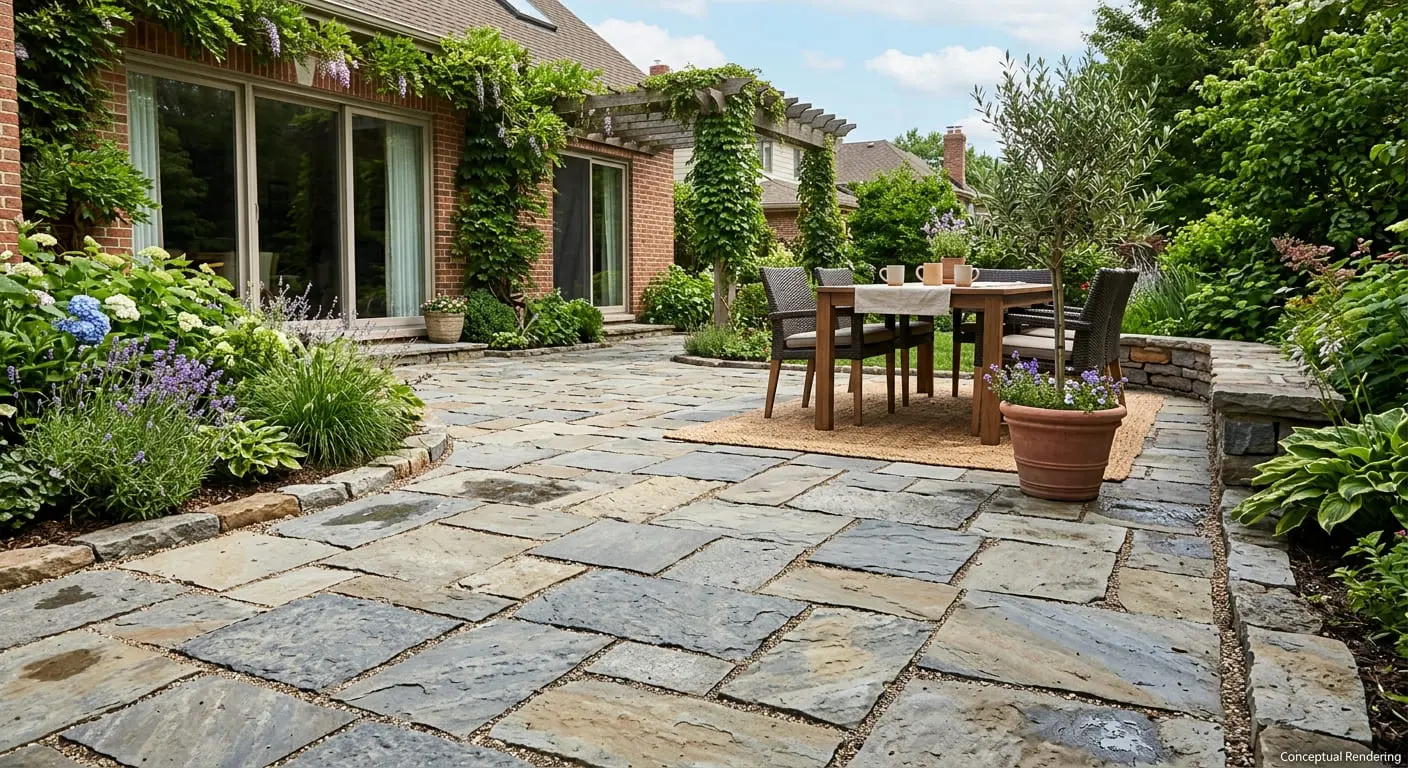
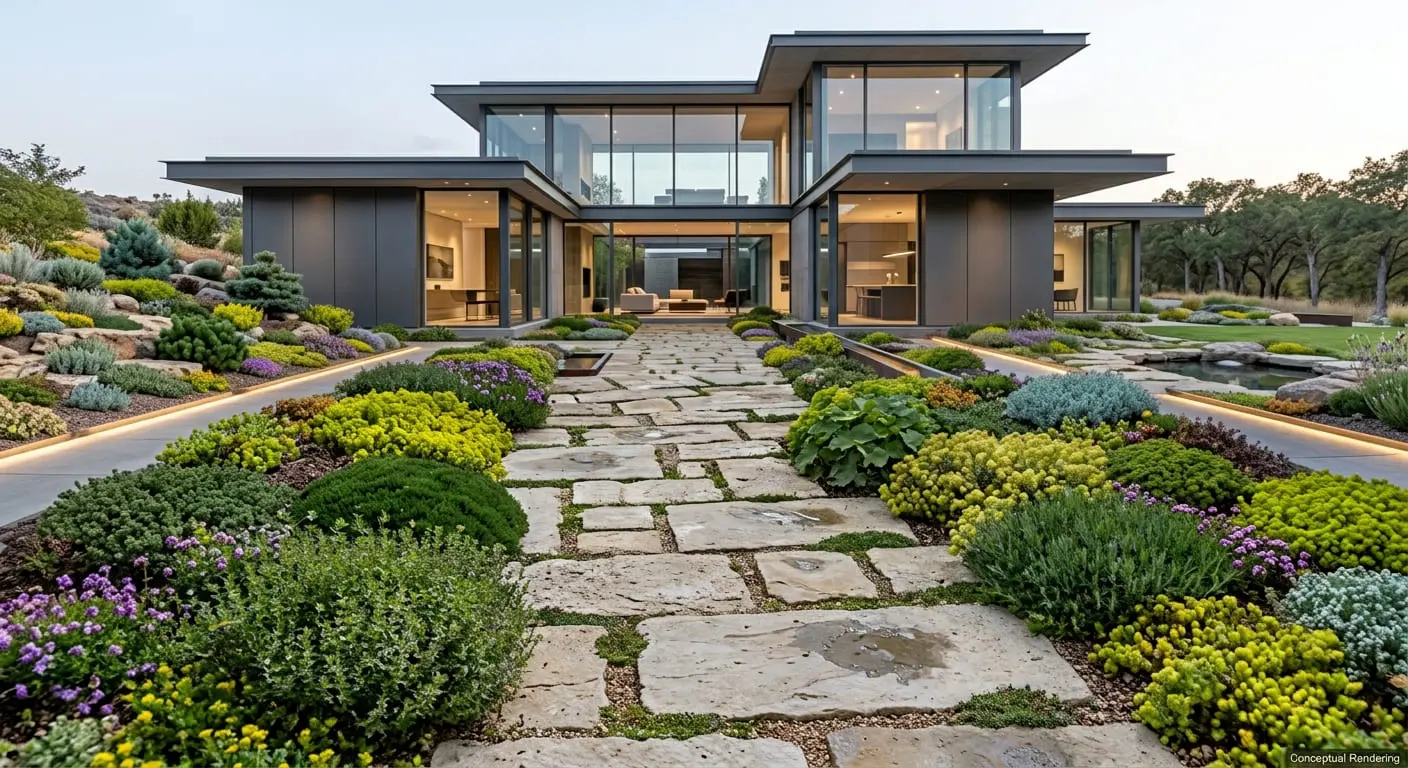
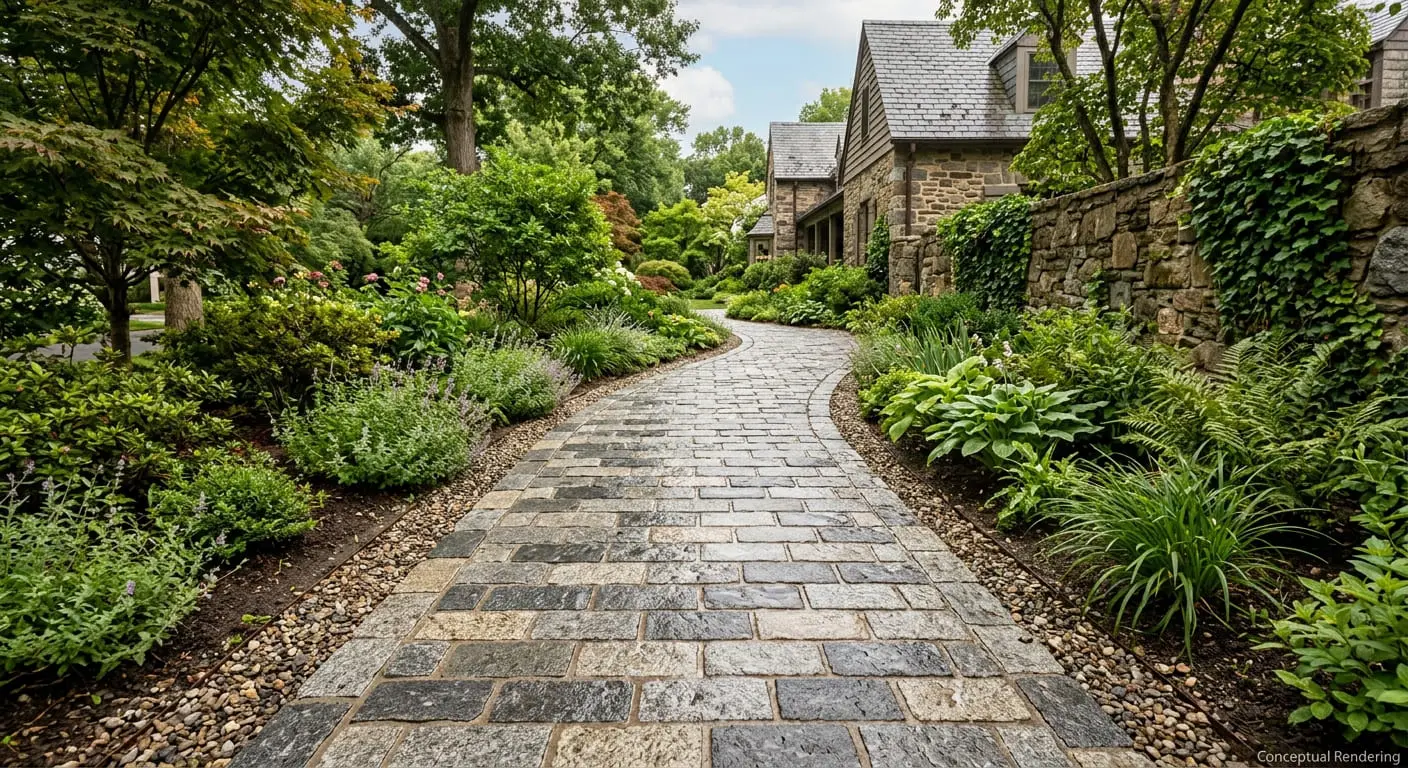
Note: Some images on this page may be conceptual renderings created to illustrate design possibilities and may not depict actual installations.
Frequently Asked Questions
No. Because pavers are individual units rather than one connected slab, they don't develop the same kind of structural cracks concrete does. Individual pavers can chip or wear at the edges, but that damage stays isolated to that unit instead of spreading across the surface.
Concrete is generally less expensive to install upfront. Pavers typically cost more initially, but their repair costs over time tend to be lower since damaged sections can be fixed by replacing individual units rather than resurfacing or repouring an entire slab.
Pavers generally perform better in freeze-thaw climates because water drains through the joints between units instead of pooling on the surface. In concrete, trapped water that seeps into small cracks expands when it freezes, which widens those cracks over repeated winters.
It's difficult. Concrete patches and resurfacing rarely match the color and texture of the surrounding slab exactly, so repaired areas are usually visible. Paver repairs tend to blend in more easily because replacement units can be matched to the existing color and pattern.
Pavers typically need joint sand replenished every few years and occasional resealing to keep the sand in place and resist weeds. Concrete needs less frequent attention early on but benefits from periodic sealing, and any cracks that appear should be addressed before they widen.