The best patio paver material depends on a few key factors: how much water it absorbs, how it handles freezing weather, how slip resistant it is when wet, how hot it gets in the sun, and how much use and care the space will get.
Patio pavers are individual pieces of natural stone, porcelain, concrete, or fired clay laid side by side to form an outdoor surface. Dense materials such as porcelain and granite generally hold up well in cold climates and resist stains, while more porous stones such as travertine tend to suit milder climates. Porcelain is especially dense: according to the ANSI A137.1 standard, it must absorb almost no water.
The sections below explain each factor, compare the materials, and show how to match them to the way you plan to use your outdoor space.
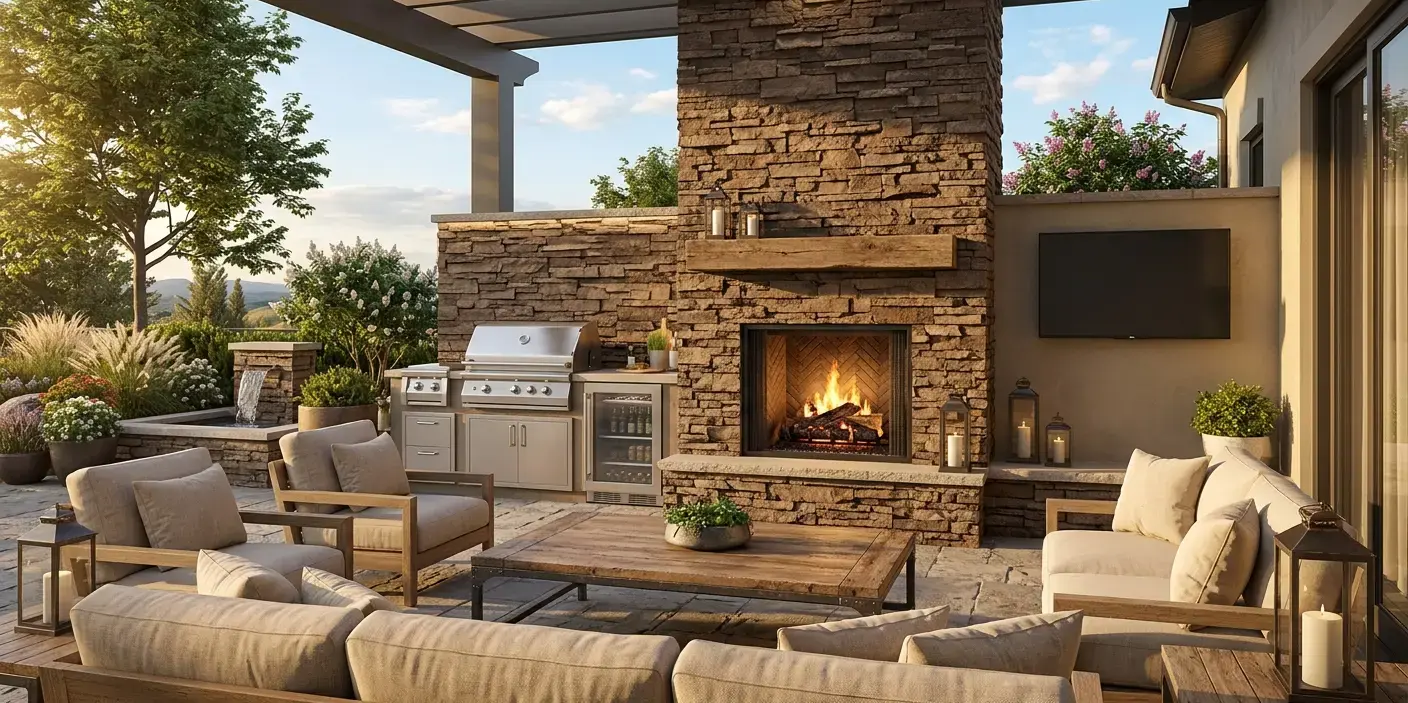
What to Consider Before Choosing a Paver
How It Handles Water and Cold
Most outdoor paving problems start with water. When water soaks into a paver and then freezes, the expanding ice creates stress that can damage the material, and de-icing salts can make that damage worse. The less water a paver takes in, the less room there is for that kind of damage. Where winters bring freezing nights, absorption is one of the most useful things to ask about. In warm climates where it rarely freezes, it matters much less.
How Safe It Is When Wet
Rain, sprinklers, and pool splash all make traction important outdoors. Many manufacturers now label products by slip resistance, including a category for outdoor areas that may be walked on when wet. That exterior wet rating tells you more than a product simply described as “outdoor.”
How Hot It Gets in the Sun
Color affects comfort more than many people expect. Dark surfaces soak up most of the sunlight that hits them, while lighter, reflective surfaces stay cooler in the sun. On a patio with strong afternoon sun, that difference is easy to feel underfoot.
How Much Use and Care It Will Get
A quiet reading corner wears very differently from a main walkway or an outdoor dining area where chairs get pulled in and out every day. The busier the space, the more a hard-wearing material pays off. Upkeep varies too. Some materials need sealing every so often to keep their look, while others need little more than an occasional wash.
Nova Tile and Stone carries natural stone and porcelain pavers for both busy areas and quieter spaces, including materials that benefit from regular sealing and others that need very little upkeep. Thinking about use and upkeep at the start helps you avoid a material that asks for more time than you want to spend.
With those factors in mind, here is how the most common paver materials compare.
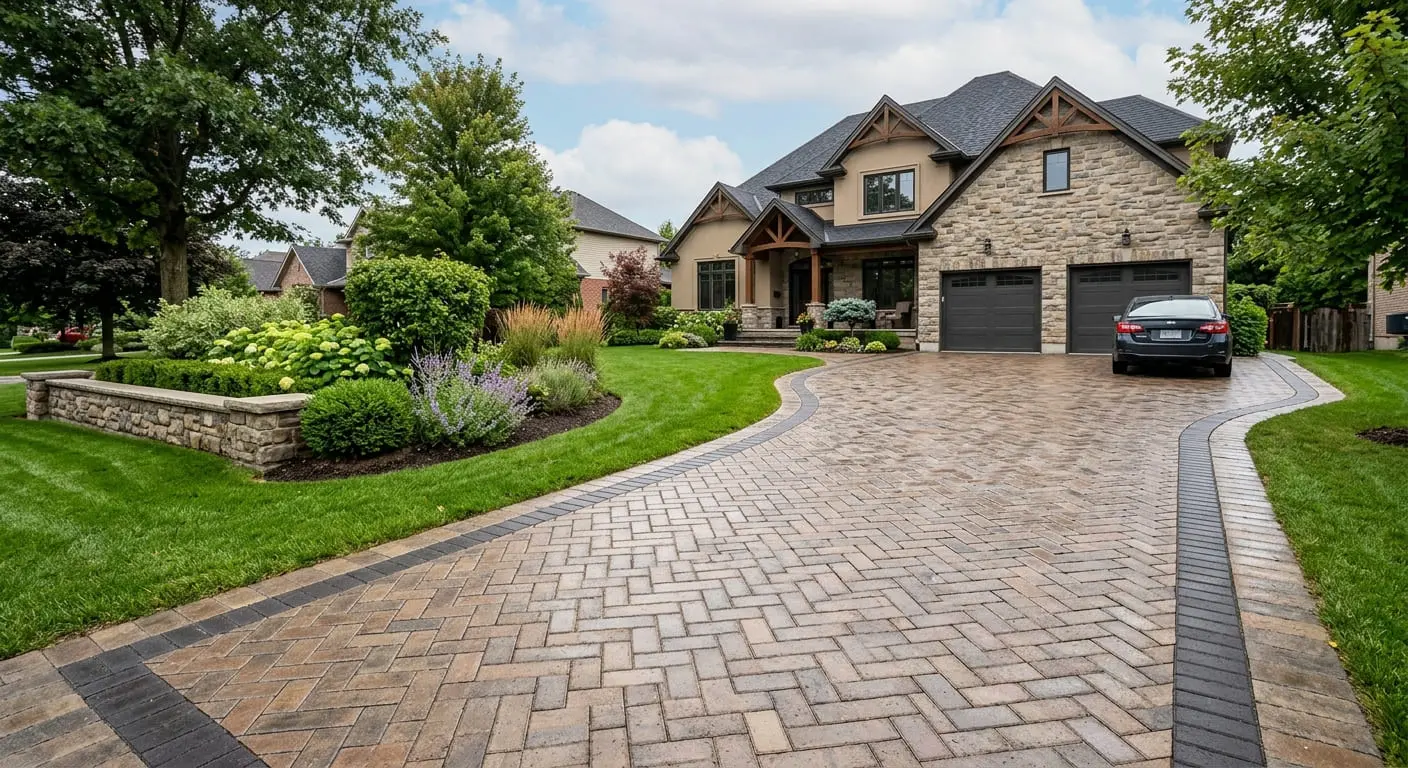
Natural Stone
Natural stone is quarried from the earth, then cut and finished, so every piece has its own color and pattern. That variety is a big part of its appeal. Outdoors, though, the biggest difference between stones is how porous they are. Dense stones take in very little water, while porous stones take in noticeably more. In one technical review of outdoor paving, a dense granite held up better than travertine against freeze-thaw damage and staining, largely because the granite absorbs less water. That doesn’t rule out porous stone. It means the stone should suit the setting.
Granite
Granite forms deep underground as molten rock cools slowly over a very long time, creating a tight, crystal-packed stone. As one of the denser options, it is a dependable choice for walkways, steps, and patios with heavy use or cold winters. Nova Tile and Stone lists granite slabs as suitable for outdoor floors and resistant to sun fading, in several finishes. For a patio, ask which finish is rated for wet outdoor walking surfaces.
Quartzite
Quartzite starts as sandstone and is transformed by intense heat and pressure into a hard, dense stone. It often shows soft linear veining and a subtle sparkle that catches the light outdoors. Nova Tile and Stone offers quartzite slabs suitable for indoor and outdoor use, including floors and walls, and resistant to sun fading. That combination makes quartzite worth considering for sunny patios and for designs that carry the same stone from inside the house out to the patio.
Travertine
Travertine sits on the porous end of the range. It forms from minerals left behind by spring water, which gives it small natural holes and a soft, textured look. Those holes may be filled before paving or left open in tumbled pavers, and fillers can break down where freezes are frequent. Its light, warm tones have made it a longtime favorite for courtyards and pool areas. Because it absorbs more water than denser stones, travertine is best suited to milder climates and to owners who don’t mind sealing it from time to time. It’s also wise to keep it away from areas that will be salted in winter.
Porcelain
Porcelain pavers are made from refined clays fired at very high temperatures, which leaves them dense enough to absorb almost no water. That makes porcelain a practical option anywhere freezing weather or spills are a concern.
Porcelain can be made to look like stone, wood, or concrete, and its color stays more consistent from piece to piece than natural stone, which suits clean, uniform designs. For indoor-outdoor designs with matching slabs, you can browse Nova Tile and Stone’s live slab inventory and request a slab quote.
Other Common Paver Options
Concrete and clay brick are also widely used for patios, and both are worth understanding when comparing options.
Concrete Pavers
Concrete pavers are molded from cement, sand, fine aggregate, and color pigments, and they come in many shapes and interlocking patterns. In the United States, an industry standard for concrete pavers sets requirements for their physical properties and testing. Asking whether a concrete paver meets that standard is a simple, worthwhile check.
Clay Brick Pavers
Clay pavers are fired brick, valued for their warm, classic look. Paving brick is graded by weather exposure, from severe to negligible, and also by how much foot traffic it’s meant for. A cold-climate walkway calls for brick graded for severe weather, while a covered patio in a mild area may need only a lighter grade.
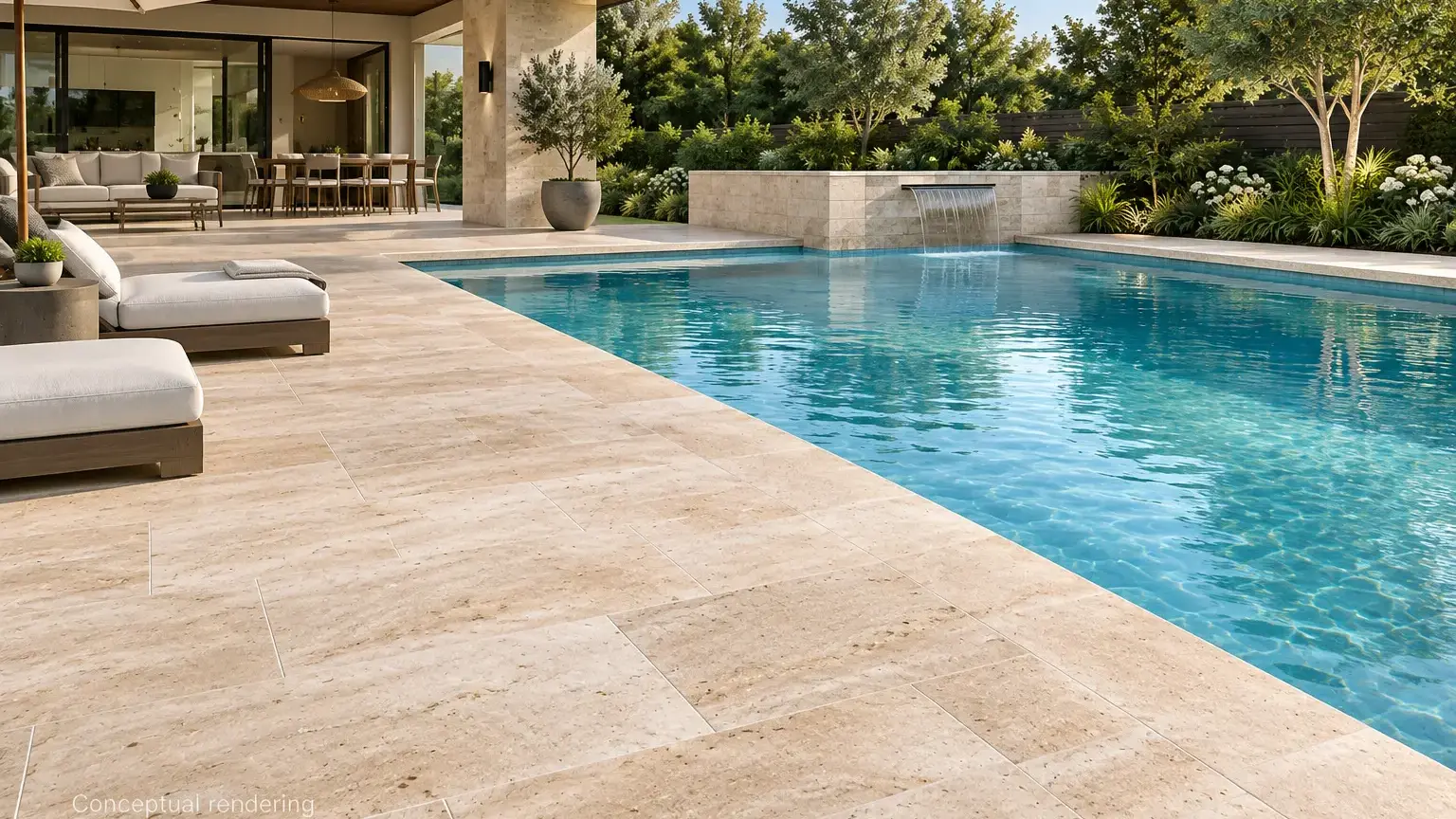
Matching the Material to the Space
Pool decks: Grip and comfort come first, so a light-colored paver carrying an exterior wet rating is a strong starting point, in either porcelain or natural stone.
Outdoor dining areas: Spills are part of the deal, so low-absorption materials such as porcelain and granite make cleanup easier. Porous stone can still work with a regular sealing routine.
Cold-climate patios and walkways: Dense materials are the safer choice, including porcelain, granite, and clay brick graded for severe weather.
Shaded courtyards and garden paths: Heat is less of a concern, so darker colors become an option. Shade and sprinklers keep surfaces damp longer, though, so grip still matters.
Many outdoor spaces fit more than one of these scenarios, such as a sunny dining area beside a pool. In those cases, it helps to see the options side by side. You can book a free design consultation at a Nova Tile and Stone showroom to compare materials for your space in person.
Conclusion
Choosing a patio paver works best in two steps. First, identify the conditions the space will face. Then narrow the list to materials that handle those conditions well. A paver that suits its setting tends to look better and need less attention over the years than one chosen from a photo alone.
Once you have a shortlist, seeing the pavers in person helps with what a spec sheet can’t show: color, texture, and natural variation. Nova Tile and Stone carries pavers and exterior stone, including natural stone and porcelain, and offers free design consultations for homeowners, designers, and contractors comparing materials. Showrooms are located in Reno, Minden, Fernley, and Sacramento.
Frequently Asked Questions
Some materials can. Nova Tile and Stone lists porcelain, granite, quartzite, and travertine for both indoor and outdoor use, which makes it possible to carry one look from an interior floor out to the patio. Marble, by contrast, is not listed for outdoor use.
Yes. The same stone or porcelain can come in several finishes, and each changes both the look and how the surface feels underfoot. A finish chosen for an indoor floor may not suit a patio that gets wet, so ask which finish is intended for outdoor walking surfaces.
No. Quartzite is a natural stone formed from sandstone. Quartz is a man-made surface made mostly of crushed quartz held together with resin, so the two differ in both composition and typical use.
Not every product sold as porcelain actually is. Look for a porcelain certification mark on the packaging, which confirms the product meets the industry definition of porcelain. If there is no mark, ask for the manufacturer’s water absorption data. Porcelain absorbs 0.5% or less under ANSI A137.1.
Natural stone varies from batch to batch, so pieces bought later may not match. Keeping a few spares from the original order makes future repairs much easier to blend in. When choosing, it also helps to view several pieces together rather than relying on a single sample.
Note: Some images on this page may be conceptual renderings created to illustrate design possibilities and may not depict actual installations.