At a Glance
- “Ledger stone” can mean natural stone or manufactured veneer.
- Ask for the material and the manufacturer.
- Check the weight, the back of the piece, and ASTM C1670.
- Natural stone generally holds its color longer outdoors.
- Both can work; just know which one you’re buying.
- Get the details in writing before ordering.
In This Post
- One Name, Two Very Different Products
- What a Straight Answer Actually Sounds Like
- Three Physical Checks Before You Sign Off
- Why the Distinction Holds Up Outdoors
- Where You Can See Ledger Stone Firsthand
- What Happens When You Don’t Ask
- The One Question Worth Asking
- Frequently Asked Questions
Ledger stone is a general term for two different wall products: quarried natural stone cut into thin panels, and manufactured veneer cast from cement to copy that same look. The name alone does not confirm which one a specific product is, since both get marketed under it.
A verifiable answer names two things: the material itself, whether that is natural stone or a manufactured veneer built to copy it, and the specific manufacturer or product line behind it, not just a general category label.
The goal here is not to declare one type better than the other. It is to show what a verifiable answer actually looks like, so the same question can be put to any supplier before a wall gets built around the answer.
One Name, Two Very Different Products
Ledger stone can be either. The term covers both categories because they solve the same visual problem: a textured, layered stone wall without the full weight of solid masonry construction. Quarried ledger stone starts as blocks of rock, commonly quartzite, slate, or limestone, sawn down into thin panel-ready pieces. Manufactured versions start as a wet cement and aggregate mix, pressed into forms cast from real stone so the finished surface mimics that same texture.
Because both get marketed under the same name, and are often photographed from a similar angle in a similar catalog layout, the category name alone is not a reliable signal of what a product actually is. The same natural stone family behind our slab inventory also includes the trimmed rock used in genuine ledger panels. Keep that in mind the next time a listing says “natural look” without actually saying the product is natural stone.
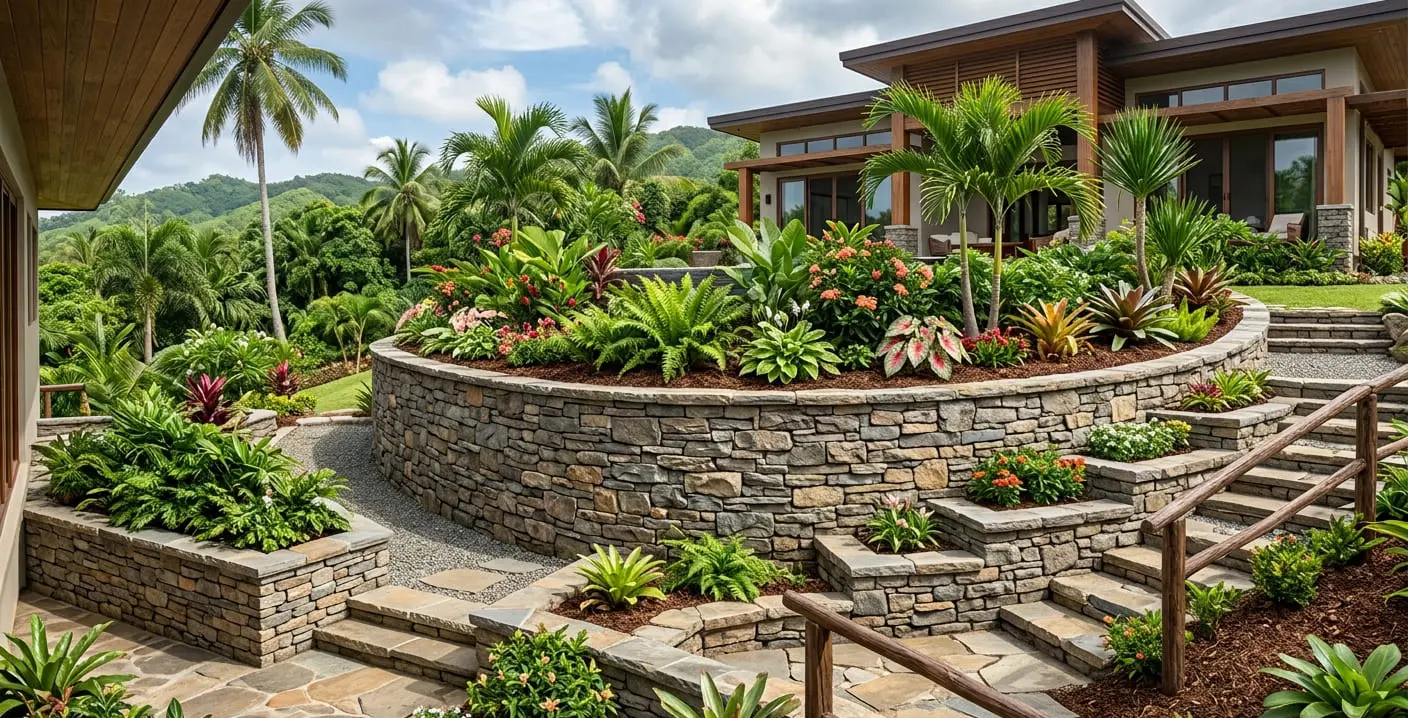
What a Straight Answer Actually Sounds Like
When we describe a ledger panel, we aim to go beyond the word “natural” and name the manufacturer and panel format too, which is what turns a generic description into a verifiable one. If a listing doesn’t show those details, our design team can confirm them for you. That same level of detail is listed across the rest of our catalog, and it is the standard worth expecting from any supplier, not just the one you happen to be talking to.
Compare that against a listing that only says "stacked stone look" or "ledger style." Neither phrase claims the product is natural, and neither names a manufacturer either.
That gap is not automatically dishonest, but it is a gap, and the way to close it is to ask directly instead of assuming from a photo. A free design consultation is a low-pressure way to put that exact question to someone who can answer it on the spot.
Three Physical Checks Before You Sign Off
Weight is usually the first tell. A panel made of trimmed stone is noticeably heavier per square foot than a cast cement panel of the same size, since real rock is simply denser than the lightweight aggregate mix used in manufactured veneer. A product described as easy to lift and handle without extra support is, more often than not, describing a manufactured piece.
The back and edge of the piece is the second check. Flip the piece over: a rough, mineral-streaked surface with visible grain lines is what a saw cut through actual rock produces. A flat, evenly toned gray texture with no internal grain is the giveaway for a molded cement piece, since that surface came from a form rather than from rock.
The third check does not require touching the product at all. Manufactured stone veneer is classified under ASTM C1670, an industry specification that defines how that material is tested and categorized.
A supplier who can point to that standard, or name the quarry a natural product came from, is answering the question. A supplier who can only offer a phrase like "premium quality" is not.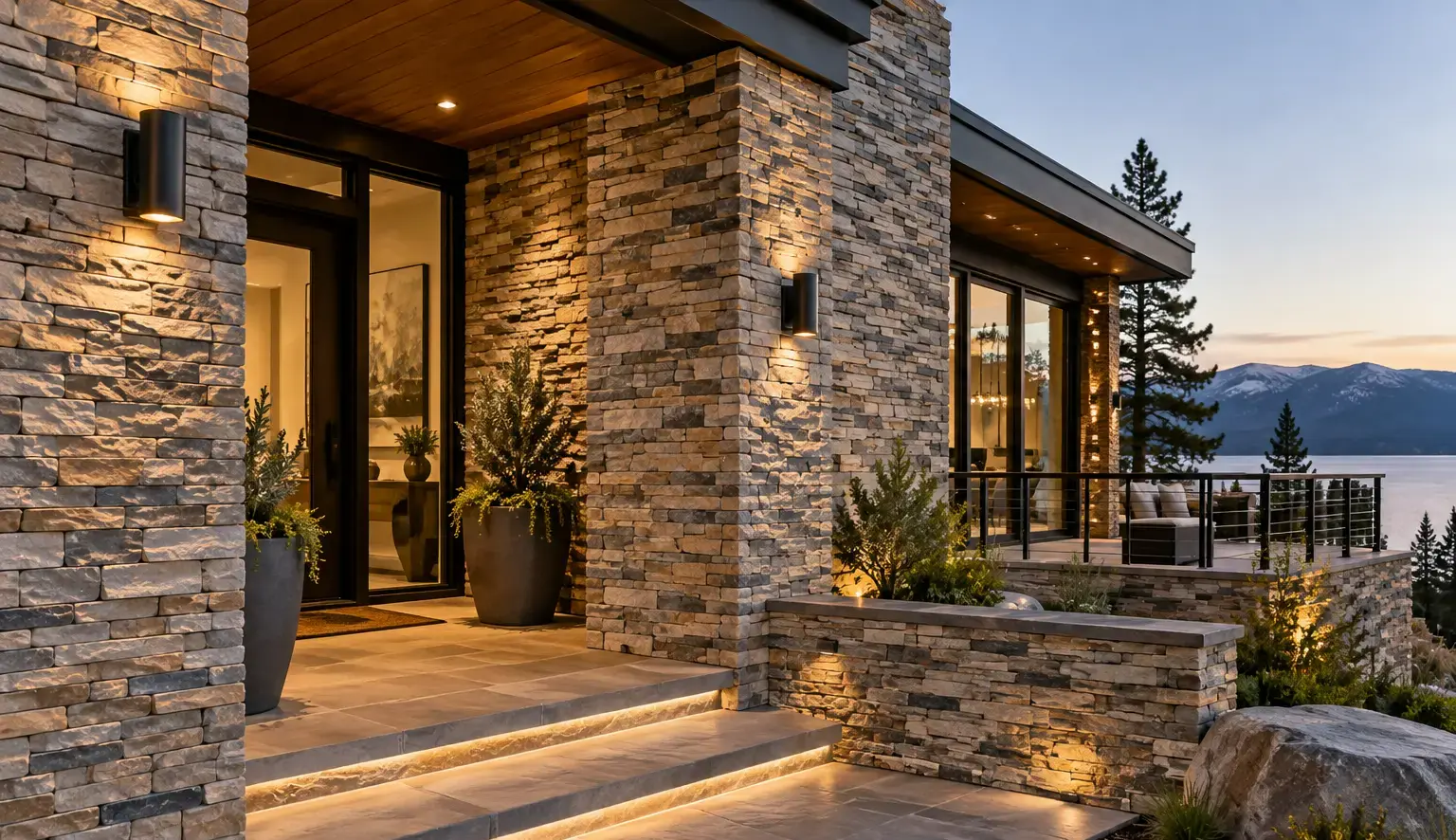
Why the Distinction Holds Up Outdoors
Real quarried stone gets its tone from the mineral content itself, running all the way through the piece rather than sitting on top of it. That generally keeps its appearance more consistent across years in direct sun, though how well any specific stone actually performs still comes down to that stone and its finish, not the category label.
Manufactured veneer is cement-based, and its color comes from pigment mixed into that cement rather than from the material itself. That pigment is usually what shifts first under long-term sun exposure, and how much it changes depends on the specific product’s formulation, finish, and exposure. That is one more reason the manufacturer name and product line matter more than the general term "ledger stone." The Natural Stone Institute publishes consumer guidance on caring for and cleaning natural stone surfaces, which is a useful check regardless of which type ends up on the wall.
Neither option is automatically the wrong choice for an exterior application. The two should just be evaluated on their own terms rather than treated as interchangeable because they share a name.
Where You Can See Ledger Stone Firsthand
Photos flatten texture, and a well-lit catalog shot can make a cast panel look nearly identical to a quarried one. Seeing an actual panel in person, held at an angle under real light, makes the weight and surface differences obvious in a way a product photo rarely does.
A design team is on hand at each of our four showroom locations, in Reno, Sacramento, Minden, and Fernley, for anyone who would rather walk through a material question in person than over email. Which specific ledger products are in stock can vary by location, so it is worth confirming with a design consultant at your nearest showroom before making the trip.
What Happens When You Don't Ask
The risk of skipping this step is not that the finished wall looks bad. Both categories can look good and perform reasonably well when matched to the right application. The risk is a mismatch between what was expected and what actually got installed: expecting the color-through permanence of real stone and ending up with a surface-level cement finish instead, or planning around the weight and handling of natural stone when a lighter option would have suited the project just as well.
Getting the material, manufacturer, and finish in writing before ordering means the wall that gets built matches the one that was actually chosen. Reaching out through our contact page with the exact product name is a straightforward way to get that answer on paper rather than relying on a verbal description weeks later.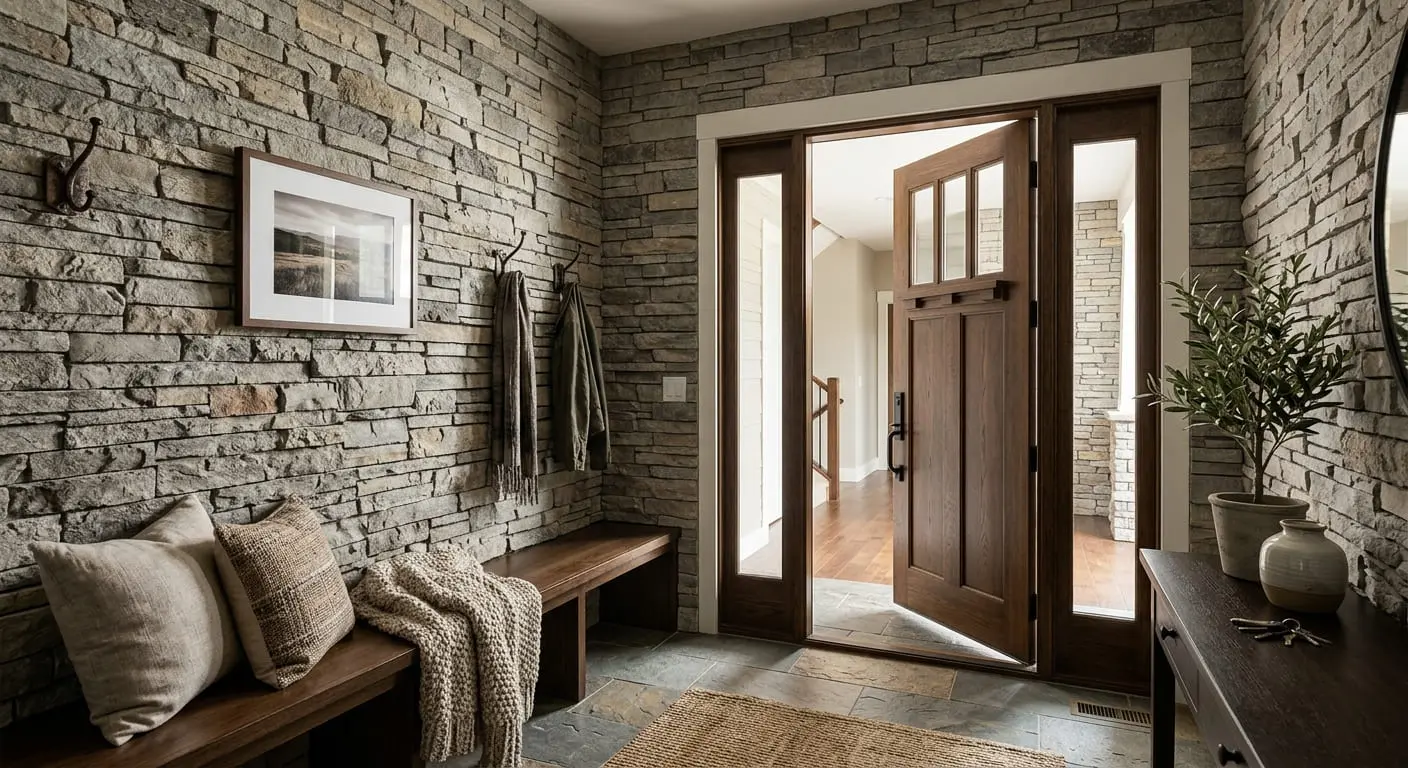
The One Question Worth Asking
The simplest version of this entire conversation is one sentence: ask what the ledger stone is actually made of and who makes it, and expect an answer that includes both a material and a name. That single question protects a project more than any side-by-side comparison of finished walls, since two very different products can be styled to look nearly identical from ten feet away.
Ledger stone will keep getting used as a catch-all term, since it is shorter than "natural stone veneer panel or cement-based alternative styled to match it." The term itself is not the problem. Buying from it without asking the follow-up question is.
Note: Some images on this page may be conceptual renderings created to illustrate design possibilities and may not depict actual installations.
Frequently Asked Questions
The two terms are often used interchangeably in casual listings, though stacked stone more often refers to shorter, more uniform pieces, while ledger stone tends toward irregular lengths and a more textured, layered profile. Neither term on its own confirms whether the product is natural or manufactured.
It is the industry specification that defines and classifies manufactured stone veneer, including how that category of product is tested. A supplier who references it when describing a manufactured product is giving a verifiable answer rather than a marketing phrase.
Generally yes. Real stone is a naturally dense material, while cast cement veneer relies on a lightweight filler blend to keep panels easy to ship and handle. That weight gap alone is not a certified test, but it is usually noticeable the moment you pick a piece up.
Yes. Availability can vary by location, so the fastest way to confirm is to ask a design consultant at your nearest showroom whether the specific product you're considering is currently in stock there.
It can. Real stone generally keeps a steadier appearance over time because its color comes from the mineral itself, though results still depend on the specific stone and finish. A manufactured product’s long-term look depends more on its formulation and how well it resists fading and moisture. Either one can work on an exterior wall when the choice accounts for that difference.