Yes, stacked stone is still in style in 2026. It remains one of the most widely used wall treatments for fireplaces, accent walls, kitchen backsplashes, and exterior features, and current interior design trends toward warm, textured surfaces are keeping it relevant rather than dated. What has changed isn't the material itself but which colors and formats read as current: warm-toned ledgestone in cream, tan, and soft gray has replaced the cooler, high-contrast gray styles that defined stacked stone a decade ago.
Why Stacked Stone Became a Design Staple
Stacked stone earned its place in home design because it solves a specific problem: it adds texture and depth to a flat wall without requiring a full renovation. A single accent wall, fireplace surround, or kitchen backsplash can change the entire feel of a room. Unlike paint or wallpaper, stacked stone brings a physical, three-dimensional quality that catches light differently throughout the day.
The look also draws on a long architectural history. Building walls from natural stone without mortar, known as dry stone or dry stacked construction, is a technique that goes back thousands of years and has been used across cultures for farming boundaries, retaining walls, and dwellings. Modern stacked stone panels and tiles reference that history while making the look achievable in a typical home, whether the material is natural stone, porcelain, or a manufactured veneer product.
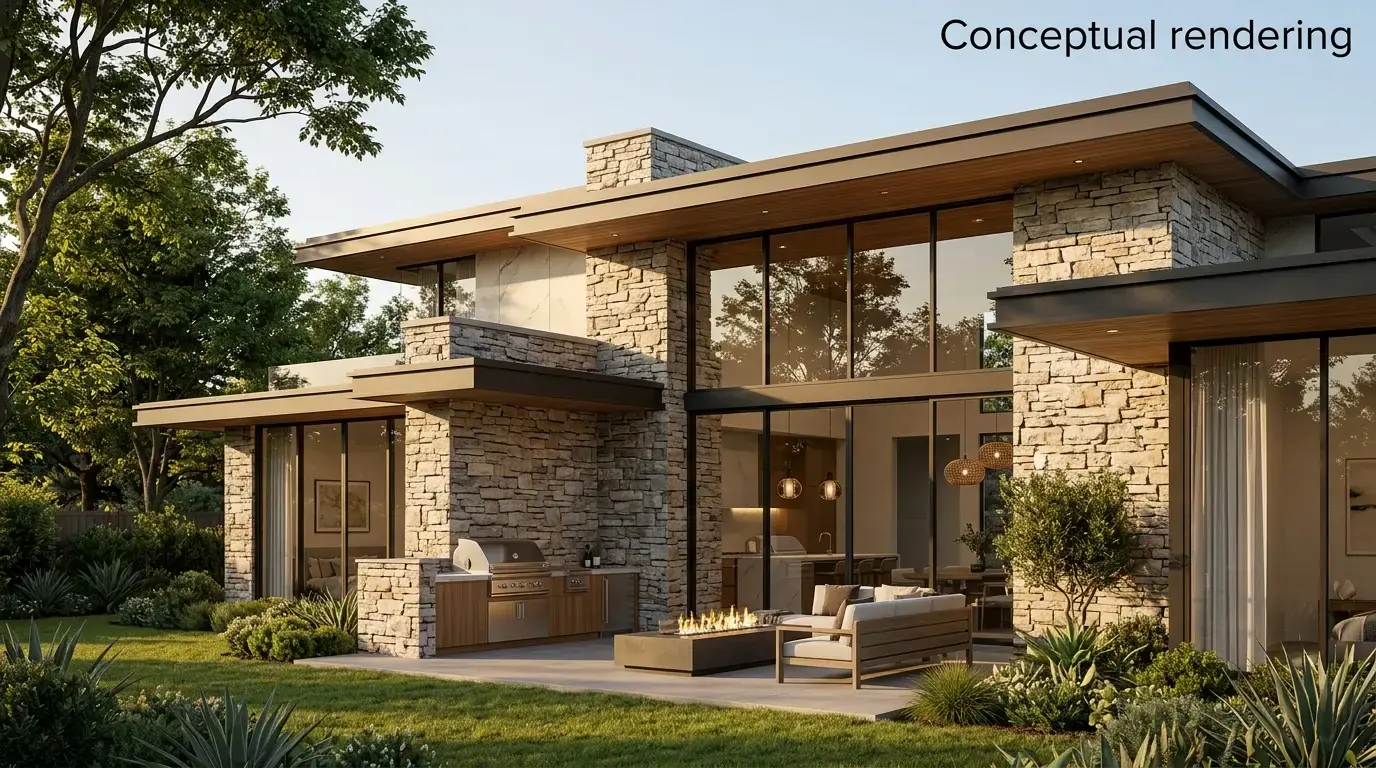
What's Driving Stacked Stone's Staying Power in 2026
A few shifts in home design explain why stacked stone has held steady rather than dropping off as a passing trend.
Warm neutrals are back. Interior color palettes have moved away from the stark white and gray schemes of the past decade toward warmer tones: creams, taupes, soft browns, and warm grays. Stacked stone in these tones fits naturally into that shift, whereas older gray-dominant stacked stone styles can feel tied to an earlier design era.
Textured surfaces are having a moment. Design trends broadly favor tactile materials right now, including fluted wood paneling, boucle upholstery, and textured plaster. Stacked stone belongs in that same category. It gives a room the same layered, handmade feeling that these other materials provide.
Indoor-outdoor design continues to grow. Homeowners are increasingly using the same or complementary materials indoors and outdoors to create a sense of continuity between a living room and an adjacent patio. Stacked stone works well for this because many collections are rated for both interior and exterior use.
Renovation shows and social media keep it visible. Fireplace makeovers using stacked stone panels are a frequent feature in home renovation content, which keeps the material top of mind for homeowners planning their own updates.
Where Stacked Stone Is Being Used Now
The application has broadened well beyond the classic fireplace surround.
- Fireplace walls. This is still the most common use, whether it's a small surround or a full floor-to-ceiling treatment.
- Kitchen backsplashes. Stacked stone in a lighter, more refined format is showing up behind ranges and sinks as an alternative to subway tile.
- Exterior accents. Entryways, porch columns, and outdoor kitchen walls are common exterior applications, particularly in regions with a strong indoor-outdoor living culture.
- Interior accent walls. Living rooms, home offices, and primary bedrooms sometimes feature a single stacked stone wall as a focal point, separate from any fireplace.
- Retail and hospitality spaces. Restaurants and boutique hotels frequently use stacked stone to bring warmth into otherwise minimal interiors.
This range of uses is part of why the look has not gone out of style. It is flexible enough to serve a small residential update or a much larger commercial space. Because stacked stone projects usually overlap with other parts of a renovation, from flooring to countertops, it helps to look at options for the whole room in one place before finalizing a single material.
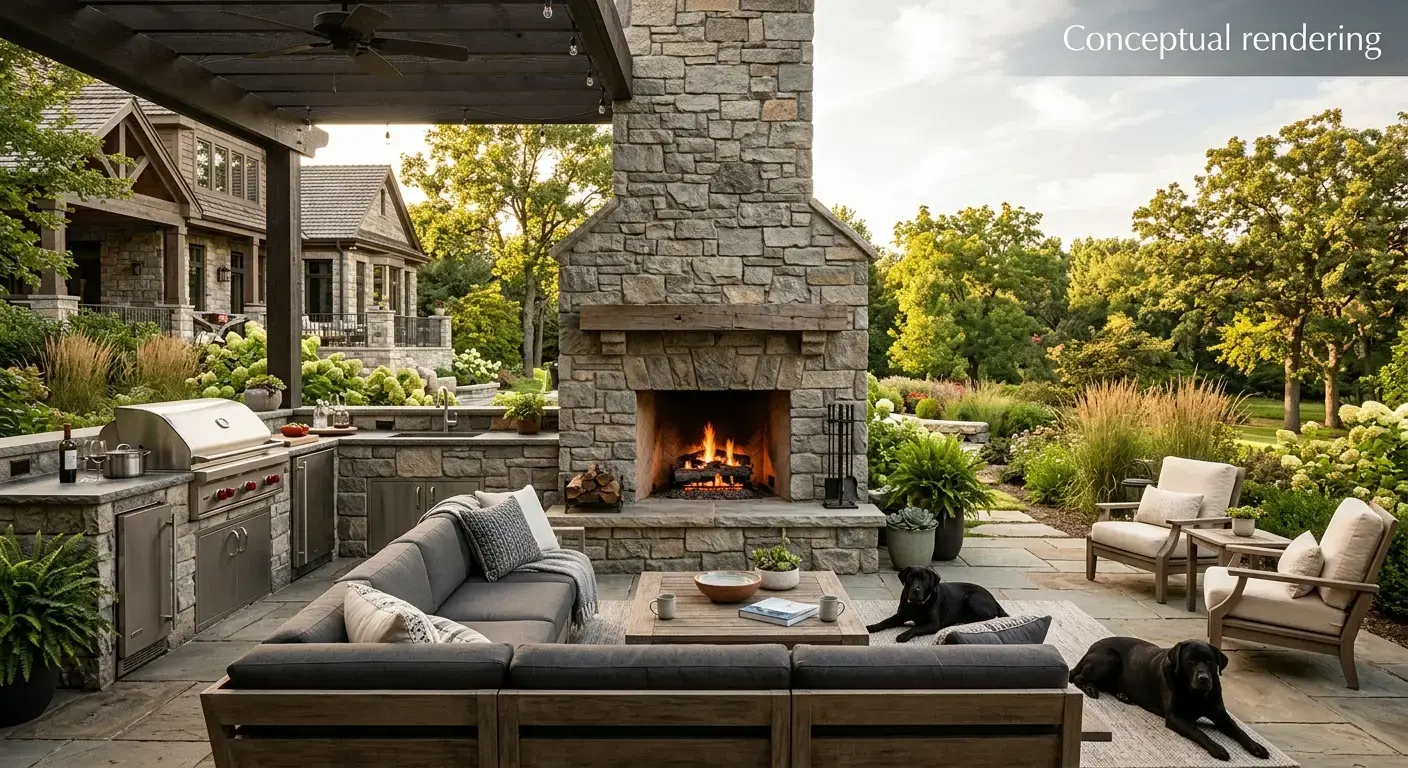
The Styles That Feel Current Right Now
Not every stacked stone look reads the same way, and this is where a lot of the "is it dated" question actually comes from. A few finishes and formats are aging better than others.
Ledgestone patterns with varied, warm tones. Ledgestone, a stacking pattern with a more defined horizontal ledge than vertical joint, is one of the most common formats in this category. Pieces mixing creams, tans, and soft grays tend to feel more current than older styles dominated by cool gray and charcoal.
Larger-format panels with less grout visibility. Some of the oldest stacked stone installations used smaller pieces with heavier grout lines. Newer panel systems fit together more tightly, giving a cleaner, more updated appearance.
Honed or smoother-finish stone. While rough, split-face textures remain popular for a rustic look, a smoother or lightly textured finish is gaining ground for homeowners who want the layered look without as much visual weight.
Monochromatic or tonal color schemes. Rather than stone with high color contrast, current installations often favor pieces that stay within a narrow tonal range for a calmer, more cohesive look.
If an existing stacked stone wall feels out of step with current design, it is often the color palette or grout style driving that impression rather than the concept of stacked stone itself. If you're not sure which one is at play in your own space, booking a free design consultation is a good way to pinpoint which change would make the biggest difference.
How Stacked Stone Compares to Other Wall Treatments Right Now
It helps to place stacked stone next to a few of its closest alternatives to understand why it continues to hold up.
Versus shiplap: Shiplap surged in popularity over the past decade and has since become more divisive, with some designers now calling for a step back from it as a default choice, partly because it became so widely used in a short period. Stacked stone has had a steadier, more gradual adoption curve, which tends to correlate with a look that holds its relevance longer.
Versus large-format slab walls: Full slab walls using marble or quartzite are popular for a more polished, formal look, particularly in bathrooms. Stacked stone serves a different purpose: it is generally chosen specifically for its texture and informal character, so the two materials tend to coexist in a home's design rather than compete directly.
Versus brick veneer: Brick veneer and stacked stone often get grouped together as similar wall treatments. Brick tends to read as more historic or industrial, while stacked stone leans more toward a natural, organic feel. Homeowners typically choose between them based on the overall style of the home rather than which one is currently more popular.
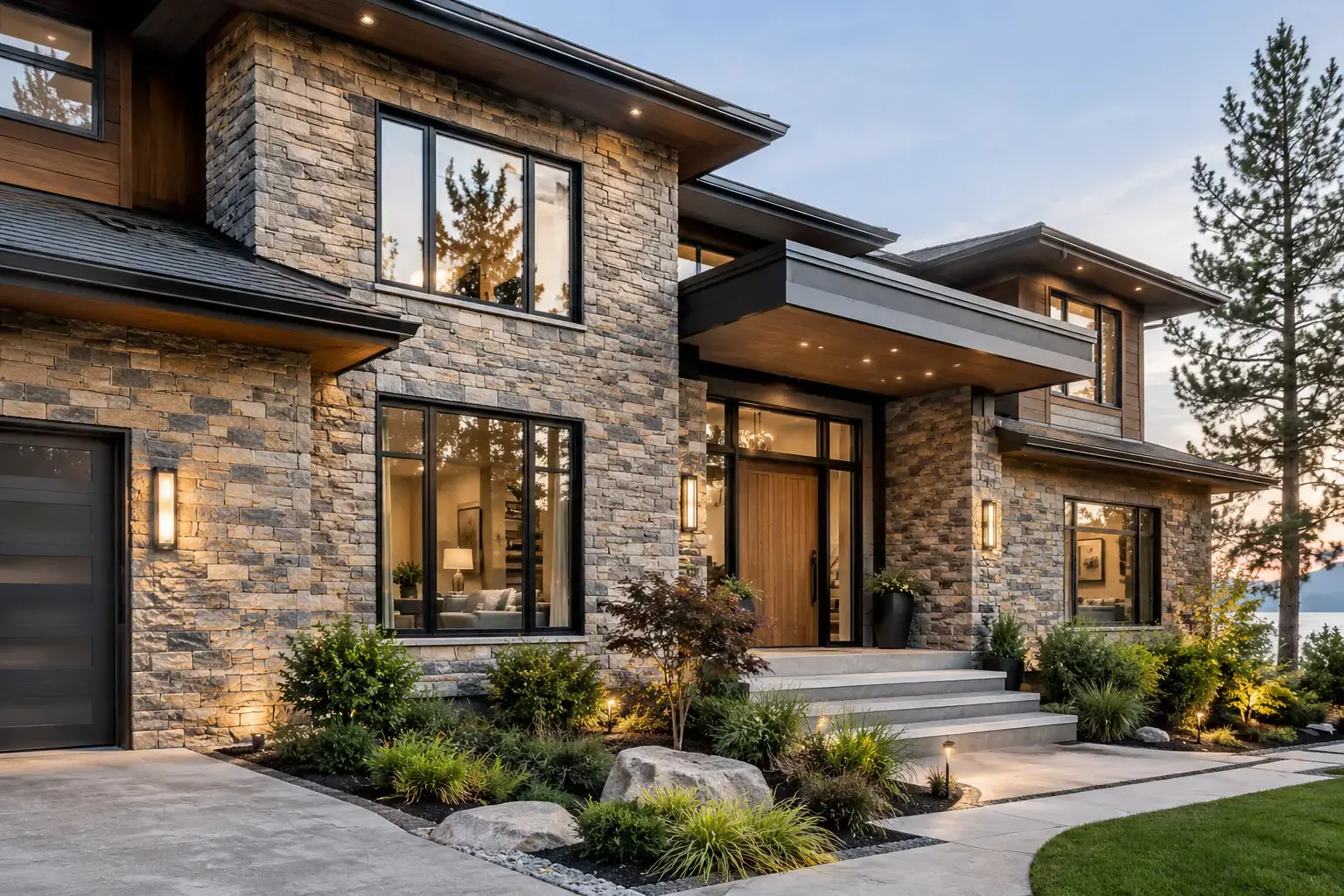
Practical Considerations Before Choosing Stacked Stone
A few practical points are worth thinking through if you're deciding whether stacked stone is right for your space.
Maintenance is straightforward but not zero-effort. Interior stacked stone generally needs occasional dusting and, depending on the stone type, periodic sealing to protect against staining. Exterior applications may need more frequent attention depending on climate exposure.
Scale matters. A small stacked stone accent, like a fireplace surround, tends to read as current for a long stretch of time because it functions more like an architectural detail than a dominant design statement. A full-room treatment is a bigger commitment and benefits from a more careful color and texture selection.
Lighting changes the effect. Stacked stone looks different under warm, dim lighting than it does under bright, cool lighting. If you're planning a fireplace wall, it's worth viewing pieces in person at one of our showrooms under lighting similar to what you'll actually have in that room.
Pairing materials matters as much as the stone itself. The wood tones, metal fixtures, and paint colors surrounding a stacked stone feature have a significant effect on whether the overall look feels current. The same stone can feel very different next to black metal and dark wood versus lighter oak and brass finishes.
Once you've settled on a look, it's worth thinking through how to source the material.
Budget-conscious buyers have options. Because stacked stone projects usually cover a smaller, defined area, like a single fireplace or accent wall, they're a good match for discontinued or closeout lots that don't carry enough volume for a whole-house job. Checking current overstock inventory before buying at full price can turn up these reduced-cost lots.
Contractors and designers can access dedicated pricing. For trade professionals specifying stacked stone across multiple projects, applying for a trade account provides trade pricing, job-site delivery, and a dedicated point of contact.
So, Is Stacked Stone Still in Style?
Yes. Stacked stone has moved from being a specific trend tied to one era of home design into more of a standing category, similar to how subway tile or hardwood flooring function. The core concept, a textured, natural-feeling wall surface, continues to fit current design priorities around warmth and texture. What has shifted is the palette, panel format, and finish that reads as current. Choosing a warmer tone, a tighter panel fit, and a finish that suits the rest of the room's materials will keep a stacked stone installation looking appropriate for years to come, regardless of which decade's design trends come next.
Bringing Stacked Stone Into Your Home
If you're considering stacked stone for a fireplace, accent wall, or outdoor feature, we're glad to walk through the current color and format options with you and talk through what will work best for your specific space and lighting. We carry a range of stacked stone styles suited to both classic and contemporary homes, and we welcome you to visit us in Sacramento, Reno, Minden, or Fernley to see the material and finish options in person before making a decision.
Note: Some images on this page may be conceptual renderings created to illustrate design possibilities and may not depict actual installations.
Frequently Asked Questions
No. Stacked stone has remained a consistently popular wall treatment for years, and current design trends toward warm, textured surfaces are keeping it relevant. The colors and panel formats that read as current have shifted over time, but the material itself has not fallen out of favor.
In the industry, "ledgestone" and "stacked stone" are often used interchangeably to describe the same general wall treatment. Technically, ledgestone refers to a specific stacking pattern where the stone pieces have a more defined horizontal ledge than vertical joint. It's one of the most common formats within the broader stacked stone category, which also includes more irregular, rustic-cut styles and smoother panel systems.
Many natural stone types used in stacked stone applications benefit from periodic sealing to help resist staining and moisture absorption, particularly around fireplaces and in kitchens. How often sealing is needed depends on the specific stone type and where it's installed, so it's worth checking the manufacturer's care recommendations for the particular material you choose.
Many stacked stone products are rated for both interior and exterior use, though the right choice depends on the specific stone and your local climate. Exterior applications should account for moisture exposure and freeze-thaw conditions in colder regions.
Living rooms with a fireplace are the most common choice, but kitchens, home offices, and primary bedrooms are all popular spots for a stacked stone accent wall. Outdoor kitchens and entryways are common exterior applications as well.