AT A GLANCE
- Common hardscape regrets involve color, surface heat, traction, patio size, drainage, and upkeep.
- Lighter colors tend to stay cooler, and textured finishes offer better footing than polished ones.
- Planning patio size around real furniture and walking paths helps prevent a frequent layout regret.
- Two or three coordinated materials usually look more cohesive than a mix of many.
- Seeing pavers and stone in natural light, wet and dry, helps avoid color surprises.
IN THIS POST
- Why Do Homeowners Regret Their Hardscape Choices?
- Why Is Paver Color Such a Common Hardscape Regret?
- Do Homeowners Regret Choosing Hot or Slippery Surfaces?
- Is Choosing the Cheapest Hardscape Material a Mistake?
- Why Do So Many Homeowners Wish Their Patio Were Bigger?
- Can Poor Drainage Ruin a New Hardscape?
- Do Too Many Materials Make a Hardscape Look Busy?
- Which Hardscape Materials Need More Upkeep Than Expected?
- How Can You Avoid Hardscape Regret Before You Commit?
- Frequently Asked Questions
- Sources
Hardscape regrets are the paver, stone, color, size, and layout choices homeowners wish they had made differently after a patio, walkway, or pool deck is finished. Common regrets include dark pavers that get hot in summer, polished surfaces that turn slippery when wet, colors that clash with the house, patios too small for outdoor furniture, poor drainage, and materials chosen on price alone. What homeowners often wish they had chosen instead is a lighter natural stone or porcelain paver with a textured finish, a color with gentle variation that sits between the home’s exterior colors, a patio sized around real furniture, and a material matched to the upkeep they are willing to do. Seeing pavers in natural light, both wet and dry, before committing helps prevent many of these regrets.
Why Do Homeowners Regret Their Hardscape Choices?
Most hardscape regret comes down to one thing: decisions made from a small sample, a photo, or a price sheet instead of how the material will live in your yard. Pavers and stone are usually chosen once and used for many years. Unlike a throw pillow or an interior paint color, a patio is difficult and costly to change once it is in place.
Homeowners also tend to focus on how a material looks on day one. They think less about how it will feel underfoot in August, how it behaves after a winter storm, or how it looks next to the house trim at sunset. Many of these regrets do not involve a material that failed outright. More often, the material simply did not fit the way the family uses the space.
Most of these regrets are predictable, which means they can often be avoided with some planning.
Why Is Paver Color Such a Common Hardscape Regret?
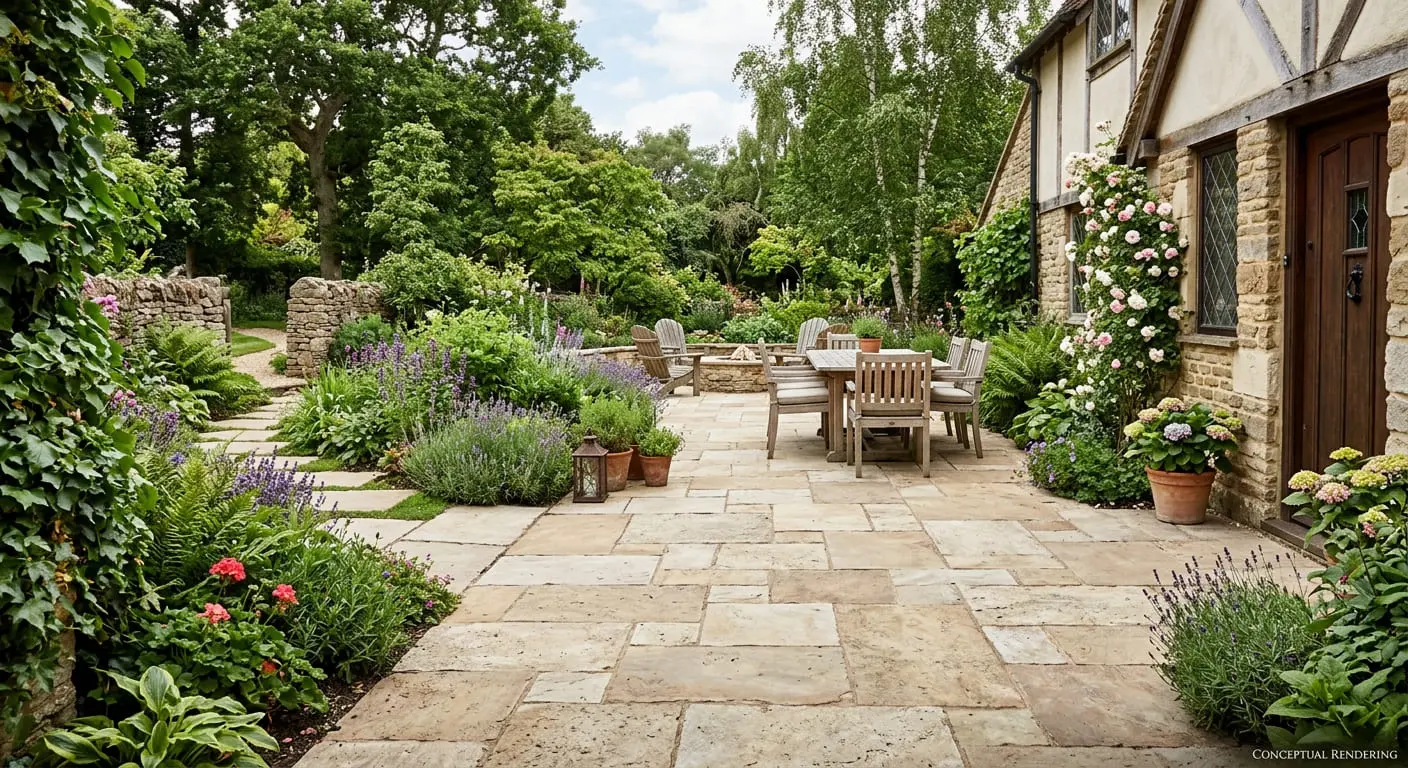
Color regret usually shows up after the project is finished and the full surface is seen in daylight next to the house. A paver that looked warm and neutral as a small sample or in a photo can read pink, orange, or flat gray once it covers several hundred square feet.
Common color regrets include:
- Choosing a color that clashes with the roof, siding, or trim
- Going too dark, which shows dust, pollen, and leaf stains and absorbs more heat
- Going too light, which can show dirt, tire marks, and rust spots from furniture
- Picking a single flat color that looks monotone across a large area
What homeowners often wish they had chosen is a natural stone paver with gentle color variation, or a porcelain paver with a stone-look pattern, in a mid-range shade that sits between the home’s main exterior colors. Varied tones can help disguise everyday dirt and look more natural at a large scale. Seeing pavers and stone in natural light, both wet and dry, gives a more accurate picture than indoor lighting alone.
Do Homeowners Regret Choosing Hot or Slippery Surfaces?
Surface temperature and traction affect how an outdoor space feels every day. Dark surfaces absorb more sunlight and can become uncomfortable for bare feet and pets on hot afternoons. Smooth, polished finishes can look sleek but may become slick when wet, especially around pools, spas, and outdoor showers.
Homeowners in these situations commonly wish they had chosen:
- Lighter-colored pavers or stone for pool decks and sunny patios
- Textured finishes such as tumbled, flamed, or brushed surfaces for better grip
- Materials suited to freeze-thaw cycles in cold-winter areas, with a textured surface for better footing when wet or icy
If you have a pool, young kids, older family members, or dogs, comfort and footing deserve as much attention as color. Ask about the finish and texture of any material you are considering for wet or high-sun areas, and look for products intended for exterior use.
Is Choosing the Cheapest Hardscape Material a Mistake?
Budget matters on every project, but choosing a hardscape material on price alone is a common regret. The issue is rarely the up-front cost itself. It is what can happen afterward: plain concrete that cracks or stains, pavers too thin for the traffic they carry, or a material that looks dated sooner than expected.
Many homeowners later wish they had compared total cost over time rather than cost per square foot on day one. That includes repairs, cleaning, sealing, and the possibility of replacing the surface sooner. In many cases, they wish they had spent more on the areas people see and use most, like the front entry or main patio, and saved on side yards or utility paths. Browsing overstock materials can also help stretch the budget for smaller areas. Overstock sales are final, so confirm you have enough material for the whole space before buying.
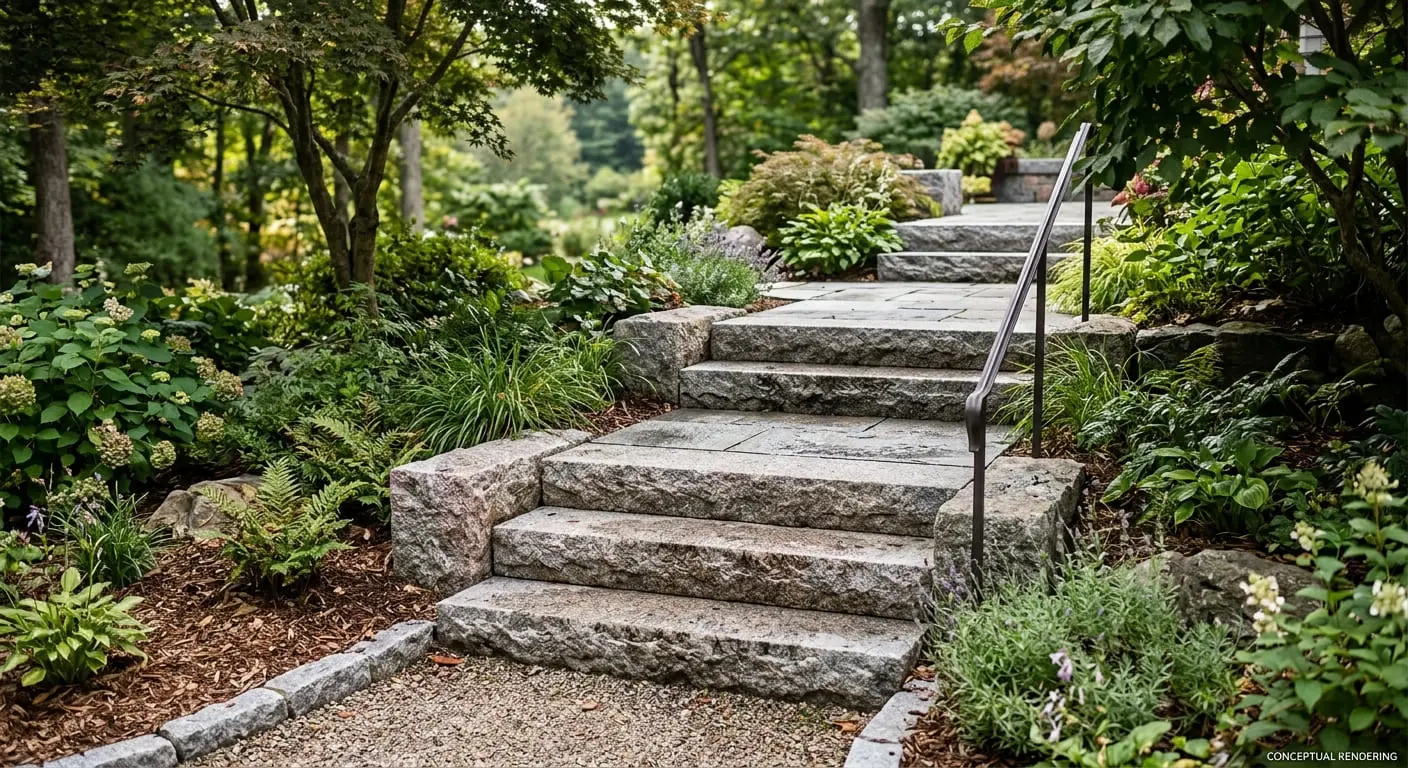
A practical approach is to match the material to each zone. A driveway needs pavers rated for vehicle traffic, which often means a thicker unit or a different installation method than a patio. Confirm a product’s specifications before choosing it for a driveway. A secondary garden path, on the other hand, may not need the same investment as a main gathering space.
Why Do So Many Homeowners Wish Their Patio Were Bigger?
Size is a frequent hardscape regret. Patios often look generous when the yard is empty, then feel cramped once a dining table, chairs, a grill, and walking space are added.
Homeowners commonly wish they had:
- Measured their actual outdoor furniture, including chairs pulled back from the table
- Left clear walking paths around seating and cooking areas
- Planned room for future additions such as a fire pit, outdoor kitchen, or lounge area
- Made walkways wide enough for two people to walk side by side
A simple test is to set out your furniture or mark the space with a garden hose or rope before committing. Walk through it, sit down, and picture hosting a few guests. If it feels tight on an open lawn, it will likely feel tighter once it is finished.
Can Poor Drainage Ruin a New Hardscape?
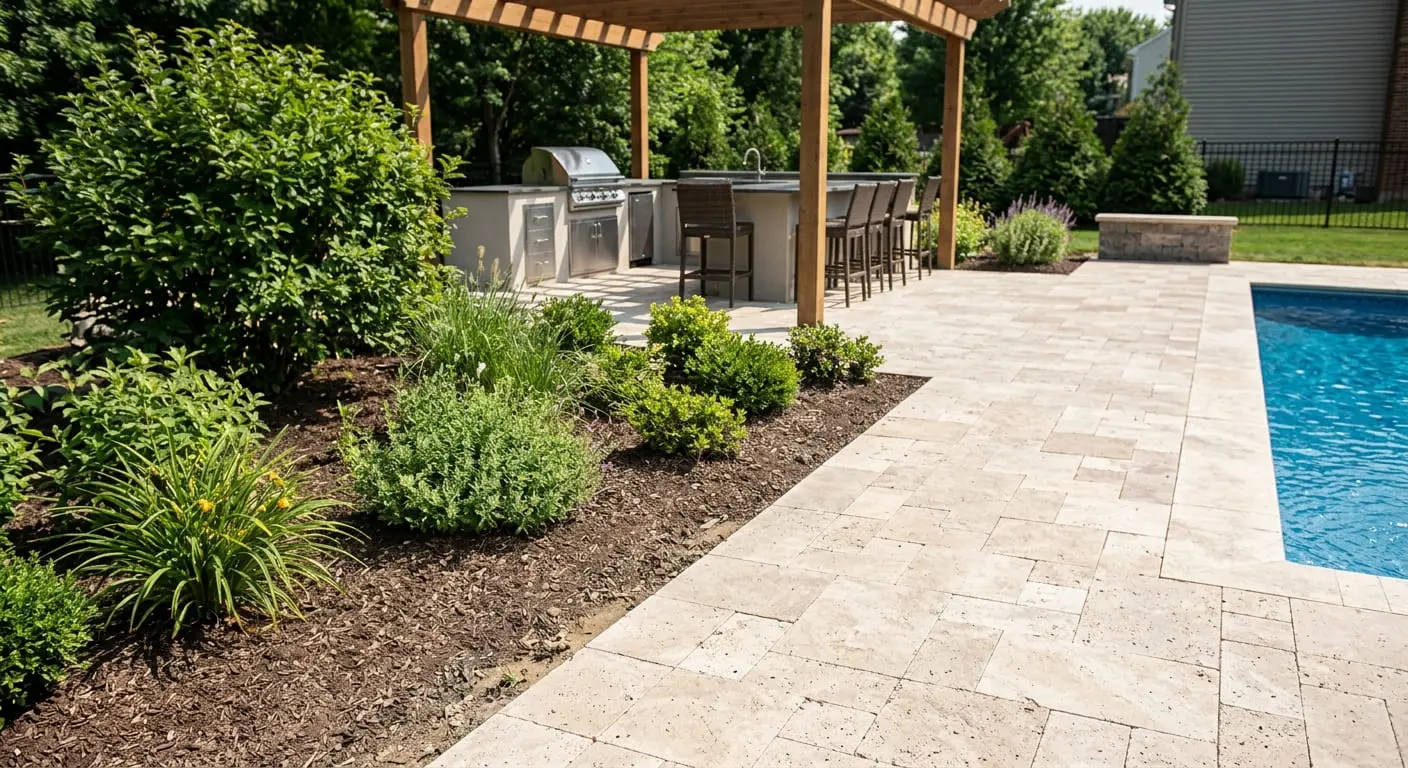
Drainage regret is less visible than color or size, but it can be harder to correct once the surface is in place. Water that pools on a patio, runs toward the house, or washes soil onto a walkway can lead to slippery spots, staining, and added wear on the surface over time.
Homeowners who run into this often wish they had discussed slope and water flow with their contractor before choosing a material. Some also wish they had considered permeable pavers, which have joints filled with small, clean stone that let water drain into a crushed-stone base below. That base holds the water and lets it gradually soak into the soil instead of running off the surface. Permeable options can be a good fit in areas with heavy rain, snowmelt, or local stormwater rules.
When you compare materials, ask how each option handles water, and bring photos of your yard after a rain if you have them. Grading and drainage are planned by your installer, but knowing to ask helps you choose a material that works with your site. If your contractor or designer is sourcing materials for the project, they can apply for a trade account for trade pricing and job-site delivery.
Do Too Many Materials Make a Hardscape Look Busy?
It is tempting to use every material you love in one outdoor space, but the result can look busy and disconnected. Homeowners who combined several paver colors, multiple stone types, and contrasting borders sometimes wish they had kept the palette simpler.
A cohesive hardscape usually works best with two or three materials that relate to each other and to the house. For example, a main field paver, a coordinating border, and one natural stone accent for a seat wall or steps can feel layered without competing. Repeating a material from the home’s exterior, such as stacked stone on a column or chimney, helps tie the yard and the house together.
If you are unsure where to start, choose the main surface first and build outward. Every added material should support that first choice rather than compete with it. Comparing a full range of pavers and exterior stone side by side makes it easier to see which colors and textures work together.
Which Hardscape Materials Need More Upkeep Than Expected?
Some hardscape regrets do not appear until the first year of cleaning. Homeowners are sometimes surprised by how much care a material needs to keep looking its best.
Common maintenance surprises include:
- Joint sand washing out, or weeds growing between pavers
- Light, porous stone showing stains from leaves, grease, or spilled drinks
- Natural stones that may need periodic sealing to help resist staining
- Moss or algae building up on shaded, damp surfaces
What homeowners often wish they had chosen is a material matched to the time they are willing to spend on care. Pavers set with polymeric joint sand, which hardens after it is activated with water, tend to resist washout and weeds better than loose sand. Porcelain pavers generally absorb less moisture and need less sealing than many natural stones, while some softer or more porous stones need more regular attention. No option is wrong. The regret comes from not knowing the difference ahead of time, so ask about cleaning and sealing needs before you decide.
How Can You Avoid Hardscape Regret Before You Commit?
Many hardscape regrets can be avoided by testing your choices against real conditions before you commit. A few habits help:
- See materials in person and in natural light at a local showroom, not just in photos or online swatches.
- Look at materials wet and dry, since many pavers and stones deepen in color when wet.
- Bring photos of your roof, siding, and trim to compare colors and check for clashes.
- Measure and mark out patios and walkways at full size before deciding.
- Ask about surface texture, heat, and traction for pool decks and high-sun areas.
- Compare upkeep needs and long-term cost, not just price per square foot.
- Keep your palette to two or three coordinated materials.
Bringing rough yard measurements and a sense of how you plan to use the space also makes a free design consultation more productive. The more context you share, the easier it is to narrow your options to materials that fit both your home and your routine.
Conclusion
Many hardscape regrets do not come from a poor material. They come from a suitable material in the wrong place, the wrong color, or the wrong size for how a family actually lives outdoors. Taking time to see pavers and stone in natural light, planning the layout at full size, and asking about texture, drainage, and upkeep can save you from wishing you had chosen differently.
If you are starting to plan a patio, walkway, pool deck, or outdoor living area, we would be glad to help you compare options side by side. Our team can walk you through natural stone and porcelain pavers, pool coping, and stacked stone in a range of colors, finishes, and sizes so you can choose with more confidence. Visit one of our showrooms in Sacramento, Reno, Minden, or Fernley to see materials in person and talk through your project with our design team.
Frequently Asked Questions
There is no single most common regret, but color and size come up often. Many homeowners find that a paver color looks different across a large area than it did as a small sample, or that a patio feels too small once furniture is added. Seeing materials in natural light and marking the layout at full size before deciding helps avoid both.
In general, yes. Lighter-colored pavers and stone reflect more sunlight and tend to stay more comfortable underfoot than dark surfaces, which absorb more heat. Color is not the only factor, since how well a material releases absorbed heat also plays a role, so it is worth comparing options for pool decks and sunny patios where people often walk barefoot.
Around a pool, homeowners usually look for a light-colored material with a textured finish that offers good traction when wet. Outdoor-rated granite, quartzite, travertine, and porcelain pavers with tumbled, brushed, flamed, or other textured finishes tend to provide more grip than smooth or polished surfaces. Always confirm that the product is intended for exterior and wet-area use.
Two or three coordinated materials is a good guideline for most yards. A main field material, a complementary border, and one accent material can add interest without looking busy. Pulling a color or stone from your home’s exterior helps the hardscape feel connected to the house.
View pavers and stone in natural light, both wet and dry, and compare them with photos of your roof, siding, and trim. Looking at larger displays rather than a single piece also gives a better sense of how color variation reads across a full surface. Visiting a showroom in person makes these comparisons easier.
SOURCES
- Cool Pavements, Lawrence Berkeley National Laboratory, Heat Island Group - https://heatisland.lbl.gov/node/21
- Solar Reflectance Index, Daltile - https://www.daltile.com/xteriors/Solar-Reflectance-Index
- What Are Natural Stone Finishes?, Eco Outdoor - https://www.eco-outdoor.com/en-au/outdoor-design/what-are-natural-stone-finishes
- Permeable Interlocking Concrete Pavement, Portland Cement Association - https://www.cement.org/cement-concrete/paving/buildings-structures/concrete-homes/products/permeable-interlocking-concrete-pavement
- Permeable Interlocking Concrete Pavement Tech Brief, Federal Highway Administration - https://www.fhwa.dot.gov/pavement/concrete/pubs/hif19021.pdf
- Tech Spec 10: Application Guide for Interlocking Concrete Pavements, Interlocking Concrete Pavement Institute - https://icpi.org/s/Tech-Spec-10-Application-Guide.pdf