At a Glance
- Best fit: open, low-profile stone such as stepping pads, edging, and seating
- Outdoor-suitable materials: granite, quartzite, travertine, and porcelain slabs
- Main risks: compaction, added fill, trenching, and root cutting
- First move: define the protected root zone with a certified arborist
- Finish tip: choose leathered or textured surfaces for damp areas
In This Guide
- Benefits of root-aware stone design
- Material comparison and layout ideas
- Advantages and trade-offs
- A five-step planning checklist
- How Nova supports your stone selection
- Key takeaways and FAQs
Can You Add Hardscape Around Mature Trees Safely?
Hardscape around mature trees is possible when the design protects the root zone first. Open stone layouts, minimal soil disturbance, and early arborist input let roots keep breathing and absorbing water.
Fine feeder roots often sit in the upper foot of soil and can extend well beyond the canopy edge. Compaction, added fill, and trenching are common causes of decline.
Stone still has a place in these spaces. Granite, quartzite, travertine, and porcelain slabs are outdoor-suitable options for stepping pads, edging, and seating when the layout stays open.
This guide covers root-safe planning, the best hardscape materials for protecting tree roots, and layouts that respect the tree. Nova Tile and Stone supplies the stone, while a certified arborist confirms the root zone.
Every tree, soil type, and site differs, so treat this guidance as planning context rather than a replacement for an on-site assessment by a qualified professional before any stone is ordered.
Outdoor Design Benefits of Tree-Friendly Hardscaping
Root-aware planning keeps the tree healthy, which protects shade, curb appeal, and outdoor comfort. Stone adds usable surface without removing the canopy that makes the space inviting.
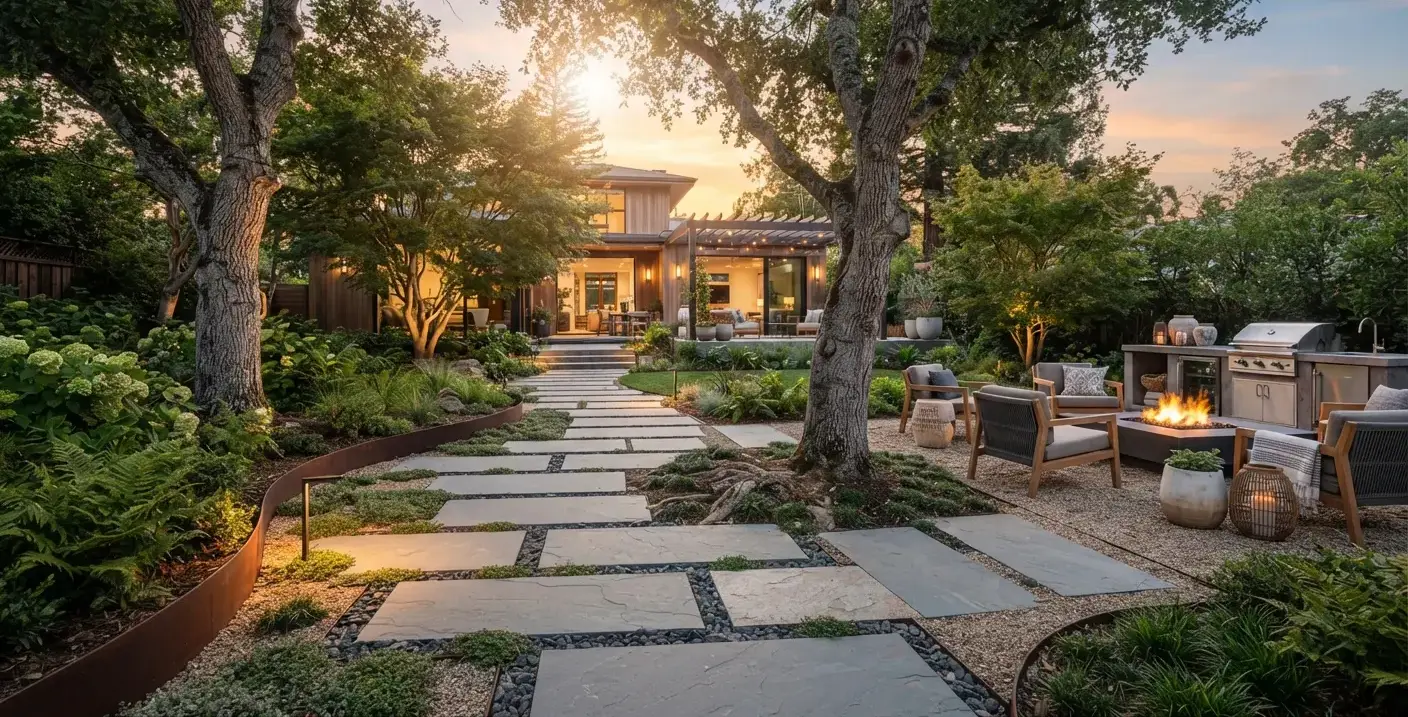 Conceptual rendering
Defined stone paths and edges can also limit muddy walkways and scattered mulch beneath trees. Well-chosen outdoor stone holds its look under regular use, though proper care preserves appearance.
Shade from a mature canopy keeps patios and paths comfortable on warm days. Protecting the tree therefore protects the very space the stone is meant to serve.
- Supports tree health when the root zone stays open and uncompacted
- Creates clear walking routes that may reduce repeated soil trampling
- Offers granite, quartzite, travertine, and porcelain for outdoor spaces
- Adds seating and edging without removing existing shade
- Allows leathered, textured, or specialty finishes that can improve grip
Best Hardscape Materials for Protecting Tree Roots
Layout protects roots more than material does, but material still shapes grip, upkeep, and comfort. Browse Nova stone slabs to compare outdoor-suitable options for shaded, leafy spaces.
Material | Outdoor Use | UV Note | Sealing | Grip-Friendly Finishes |
Granite | Outdoor-suitable | UV-resistant | Needs sealing | Leathered or specialty |
Quartzite | Outdoor-suitable | UV-resistant | Needs sealing | Textured or specialty |
Travertine | Generally outdoor-approved | Verify product sun rating | Needs sealing | Leathered or textured
|
Porcelain | Outdoor-suitable | UV-resistant | Typically not required, confirm | Textured or specialty |
Finish availability varies by material, so confirm the exact product before finalizing a walkway or seating area.
Granite and Quartzite for Stepping Pads
Granite and quartzite suit outdoor use and sit in the UV-resistant group, though sealing and routine care still preserve their appearance. Leathered granite and textured quartzite add grip where leaves and moisture linger.
Cut slab pieces can form spaced stepping pads that guide foot traffic while leaving soil exposed between them. Wide gaps and a clear ring around the trunk help water and air reach roots.
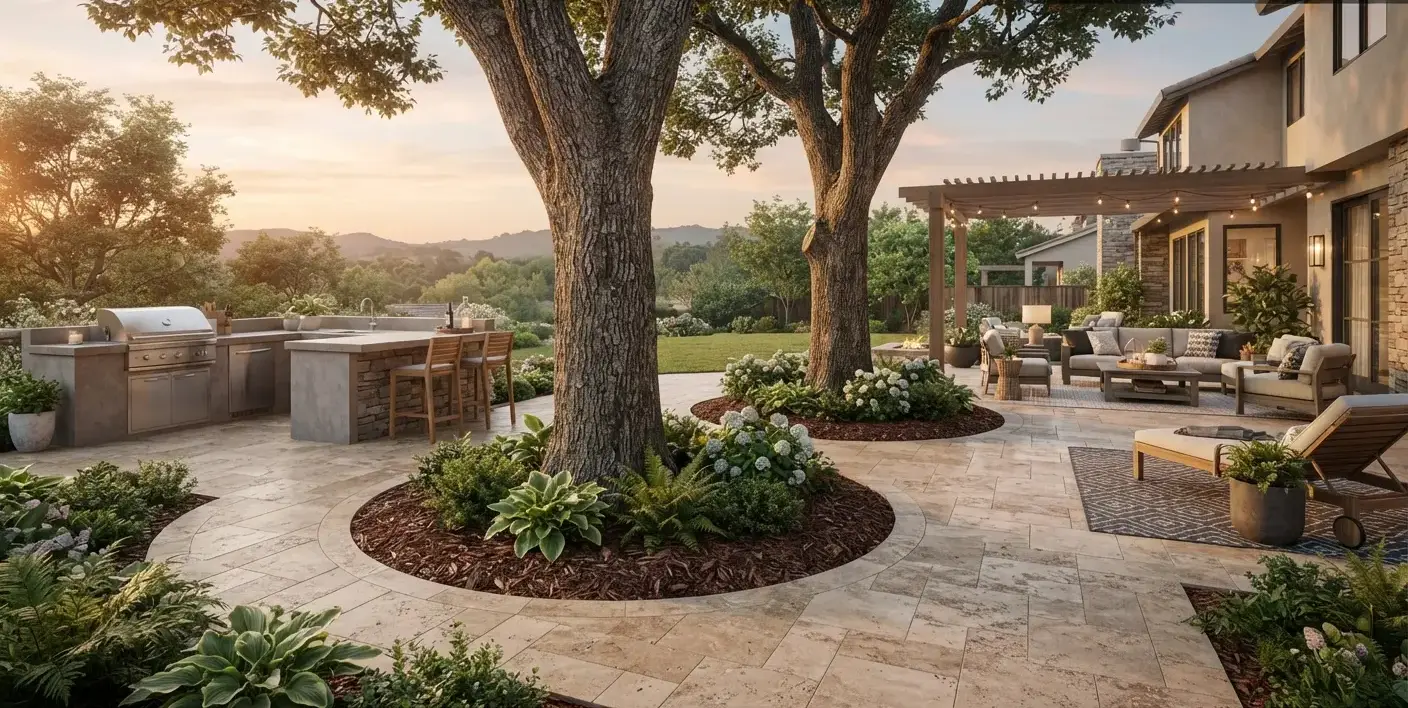 Conceptual rendering
Travertine for Warm, Textured Surfaces
Travertine is generally outdoor-approved and brings warm tones plus leathered or textured finishes. It needs sealing, and leaf tannins can stain porous stone if debris sits for long periods.
Travertine is not in Nova's general UV-resistant category, so verify the exact product's UV rating or sun exposure approval before planning full-sun areas.
Porcelain Slabs for Low-Profile Surfaces
Porcelain slabs are outdoor-suitable and UV-resistant, and they typically do not require sealing, though product guidance should be confirmed. Textured or specialty finishes can add grip in damp spots.
Porcelain also suits modern designs that pair clean lines with natural tree forms. Combined with granite or quartzite stepping pads, it adds contrast while the layout stays open.
Layout Ideas That Respect the Root Zone
Strong hardscape design around trees favors open joints, low profiles, and curved paths that skirt major roots instead of crossing them. Seating edges work best outside the dripline when an arborist agrees.
Gentle bends help paths follow the tree instead of cutting across major roots. They also keep seating areas clear of trunk flare and low branches.
Keep a mulched ring around the trunk and avoid raising soil against it. Even a couple of inches of fill can seriously harm roots, according to Purdue Extension guidance.
Advantages and Trade-Offs of Stone Near Trees
Stone can support both beauty and root health, but each option carries trade-offs worth weighing before a layout is chosen.
Advantages
- Defined routes can steer foot traffic away from open root areas
- Stone surfaces typically stay put during rain and leaf drop better than loose mulch
- Colors and finishes can complement bark and foliage tones
Trade-offs
- Solid coverage can change how water reaches roots
- Natural stone needs sealing, while porcelain typically does not, subject to product guidance
- Polished finishes turn slippery when wet, so textured options suit leafy areas
- Arborist review adds a planning step, though it lowers risk
5 Planning Steps Before You Choose Stone
These steps focus on planning, so the stone choice follows the tree rather than the other way around.
- Measure the trunk. Record diameter 4.5 feet above ground. These root zone guidelines use one foot of radius per inch of diameter as a starting estimate.
- Map the site. Mark the dripline and any visible surface roots on a simple sketch.
- Consult an arborist. Use the ISA arborist directory to find a certified professional who can confirm the protected zone.
- Shape an open design. Favor low-profile stone, wide joints, and a clear mulched ring around the trunk.
- Match the material. Confirm finish, sealing needs, and ratings with a Nova design consultant.
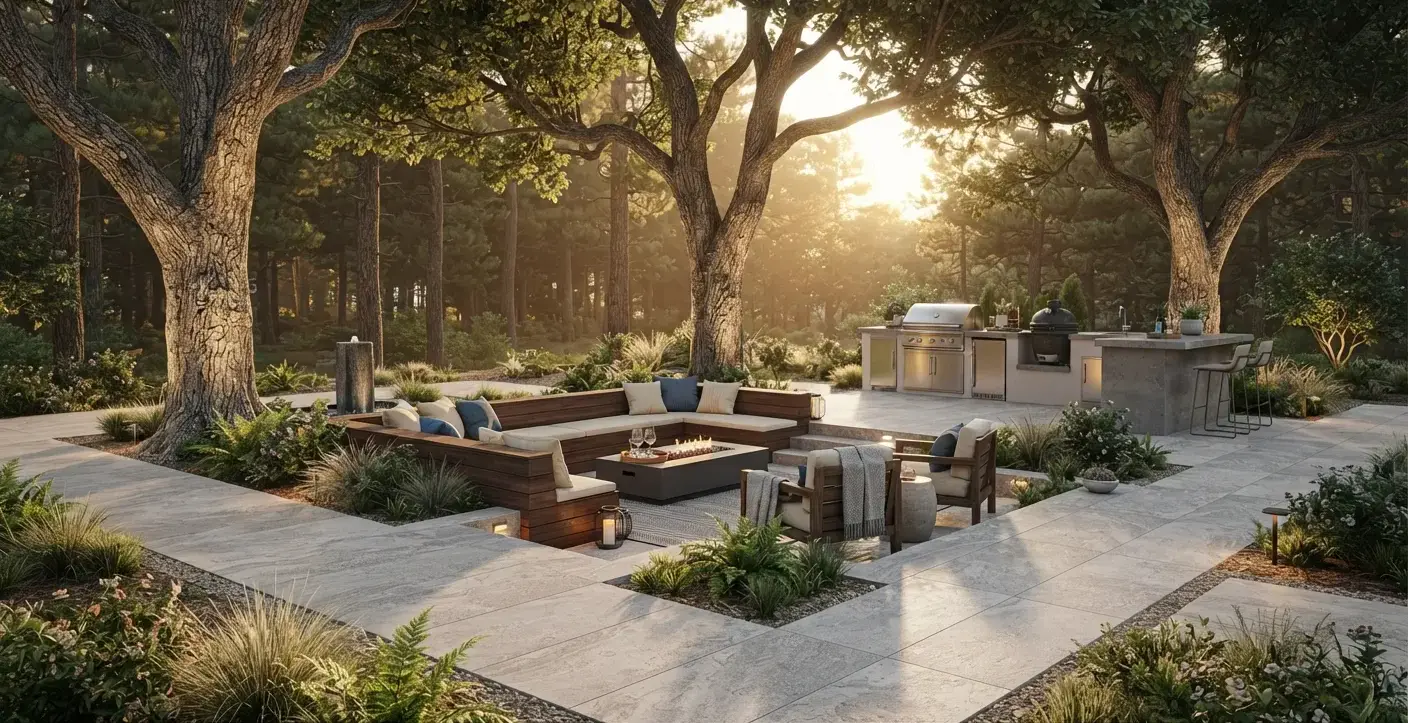 Conceptual rendering
How Nova Tile and Stone Supports Your Stone Plan
Nova Tile and Stone supplies slabs suitable for outdoor use, and its commission-free design consultants can review the finish, sealing requirements, and sun exposure ratings of each material. A certified arborist should remain the authority on all tree-related decisions.
Material questions often surface late, such as how much leaf debris a surface tolerates or which finish suits a shaded walkway. Asking early keeps the layout and the stone aligned.
Arranged delivery assistance can help coordinate slab arrival once the plan is set. Nova serves customers in Fernley, NV, Reno, NV, Sacramento, CA, and Minden, NV.
Visit the Reno showroom to compare outdoor slabs in person. Sacramento homeowners can visit the Sacramento showroom as well. Customers in Fernley can stop by the Fernley showroom. Minden residents can visit the Minden showroom too.
Once the tree plan is ready, the next step is matching stone to the site. Schedule a free consultation now!
Key Takeaways
- Hardscape around mature trees works best when root protection comes before stone selection
- Open, low-profile layouts with a clear trunk ring are gentler on soil
- Granite, quartzite, travertine, and porcelain suit outdoor use, with product-specific checks
- Leathered or textured finishes improve grip where moisture collects
- Arborist review and design consultant guidance work best together
Start Your Root-Safe Stone Plan
Ready to shape a stone plan that respects your trees? A free consultation connects you with a design consultant who can narrow materials, finishes, and sealing needs for shaded, leaf-covered spaces. Bring a sketch, tree notes, and questions about outdoor suitability, sealing, and finishes.
Sacramento
6100 Warehouse Way, Sacramento, CA 95826
- Mon–Fri: 7:30am – 6:00pm
- Sat: Closed
- Sun: Closed

BOOK NOW
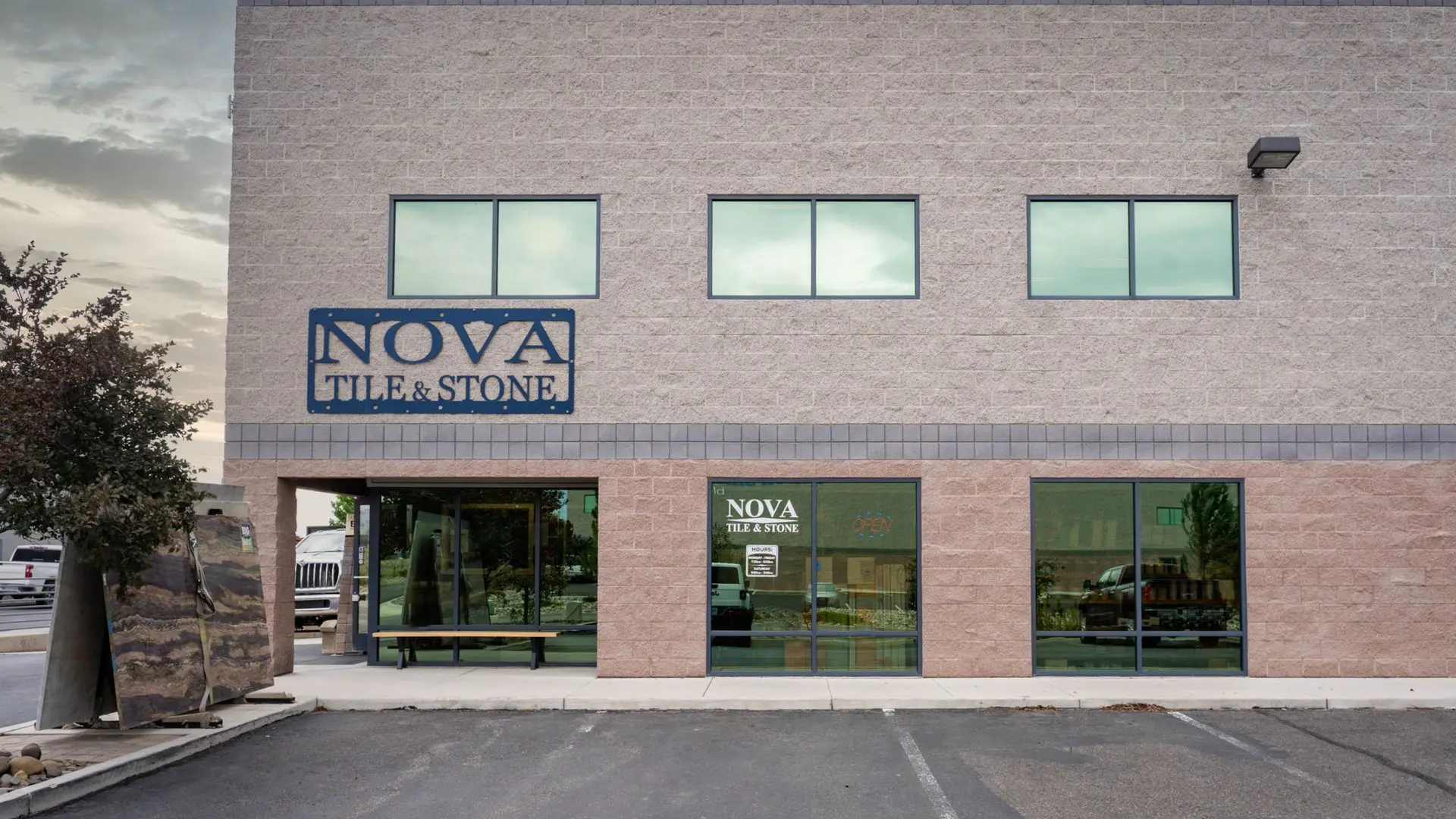
Minden
2548 Business Pkwy, Minden, NV 89423
- Mon–Fri: 7:30am – 6:00pm
- Sat: 9:00am – 3:00pm
- Sun: Closed
BOOK NOW
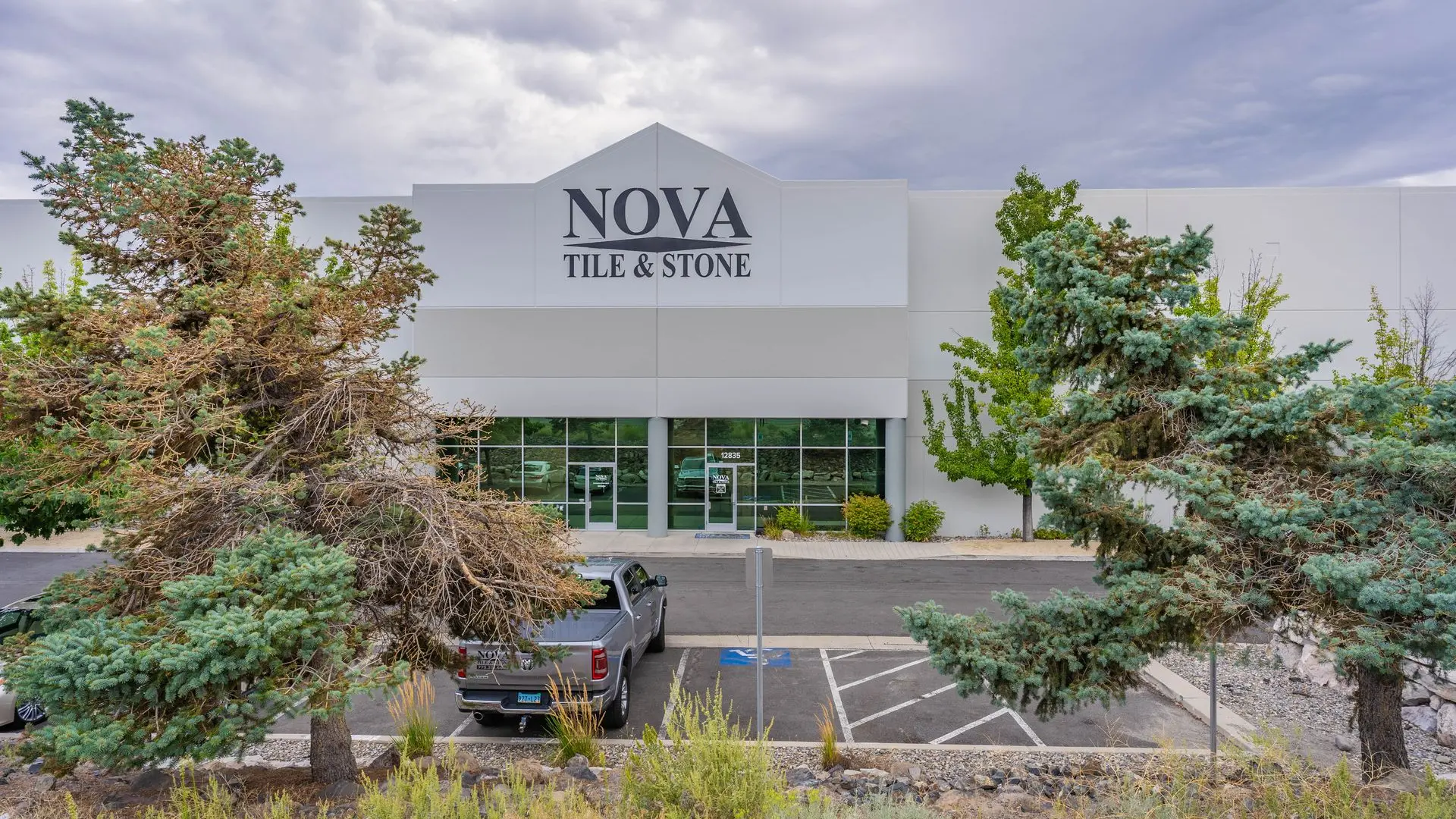
Reno
12835 Old Virginia Rd, Suite 24 Reno, NV 89521
- Mon–Fri: 7:30am – 6:00pm
- Sat: 9:00am – 3:00pm
- Sun: Closed
BOOK NOW
Tree-specific decisions stay with a certified arborist, while material choices become clearer. Book your free consultation today!
Note: Some images on this page may be conceptual renderings created to illustrate design possibilities and may not depict actual installations.
Frequently Asked Questions
There is no single safe distance, since species, age, and soil vary. A common starting rule is one foot of radius per inch of trunk diameter, measured at 4.5 feet. A certified arborist should confirm the protected zone before any stone layout is finalized.
Layout matters more than material. Granite, quartzite, travertine, and porcelain are outdoor-suitable options that can work in open, low-profile designs leaving soil exposed between stones for water and air. Confirm finish, sealing needs, and ratings for the exact product, and have an arborist review the plan.
It can when work compacts soil, adds fill, or cuts roots. Extension guidance warns that even a couple of inches of added fill may seriously harm a root zone. Open joints, minimal excavation, and arborist review reduce risk, though no layout removes it completely.
Granite, quartzite, and travertine need sealing, which helps limit stains from leaves and organic debris. Porcelain slabs typically do not require sealing, though product guidance should be confirmed. Sealing does not replace prompt cleanup, and polished finishes can turn slippery when wet under shaded, leafy trees.
Textured finishes give better grip than polished surfaces when wet. Leathered granite, textured quartzite, textured porcelain, and leathered or textured travertine are common choices. Slip performance still varies by product, so confirm the specific finish with a design consultant before selecting stone for walkways.
Sources
- Purdue Extension, Construction and Trees: Guidelines for Protection: https://www.extension.purdue.edu/extmedia/fnr/fnr-463-w.pdf
- Tree Protection on Construction and Development Sites (EM 8994), hosted by City of Seattle: https://www.seattle.gov/Documents/Departments/SDCI/Codes/TreeProtectionConstructionDevelopmentSites.pdf
- International Society of Arboriculture, Find an Arborist: https://www.treesaregood.org/findanarborist/arboristsearch