Exterior stone fades, cracks, and needs sealing under different conditions depending on whether it is natural stone or manufactured stone veneer. Natural stone holds its color for decades because its color comes from minerals within the rock, while manufactured stone veneer can show gradual fading from UV exposure since its color comes from pigments mixed into concrete. Cracking in exterior stone is typically caused by freeze-thaw cycling, substrate movement, or installation issues rather than the stone aging on its own. Sealing needs also vary: porous stones such as limestone and sandstone benefit from periodic sealing, while dense stones such as granite rarely need it.
Does Exterior Stone Fade?
Fading is one of the most common concerns homeowners raise about exterior stone, and the answer depends heavily on whether the material is natural stone or manufactured (engineered) stone veneer.
Natural stone gets its color from minerals embedded in the rock itself. Because that color runs through the entire piece rather than sitting on the surface, natural stone tends to resist fading more consistently than pigmented materials do. Sunlight (UV exposure) can cause a slight softening of color intensity over many years, particularly in stones with organic pigments or in very sun-intense climates, but the change is usually subtle and slow. A granite or limestone facade installed decades ago typically still reads close to its original hue, with only minor weathering visible up close. Seeing samples in person before committing to a color is one of the more reliable ways to judge how a stone will read in real sunlight, and visiting a showroom makes that comparison easier than working from photos alone.
Manufactured stone veneer, which is made from concrete mixed with iron oxide pigments, behaves differently. Because the color is blended into the concrete during manufacturing rather than being a natural mineral property, UV exposure can cause more noticeable fading over time, especially on south- and west-facing walls that receive direct afternoon sun. Lighter and more saturated colors tend to show fading sooner than muted earth tones. Manufacturers have improved pigment technology significantly, and many products now include UV-stabilized additives, but some gradual color shift over 10 to 15 years is still common with engineered veneer.
Other factors that influence fading include:
- Orientation of the wall. South- and west-facing exteriors receive more direct sun and tend to fade faster than north-facing walls.
- Climate. High-altitude and high-UV regions accelerate color change compared to milder or cloudier climates.
- Stone porosity. More porous stones can absorb airborne pollutants and mineral deposits, which some people mistake for fading when it is actually surface staining.
- Sealant use. A sealer can slow UV-related color change by adding a protective barrier, though it does not eliminate the effect entirely.
Because color stability and porosity vary this much between products, homeowners comparing options on a budget may want to check current overstock inventory, where discounted selections are still subject to the same fading and porosity considerations described above.
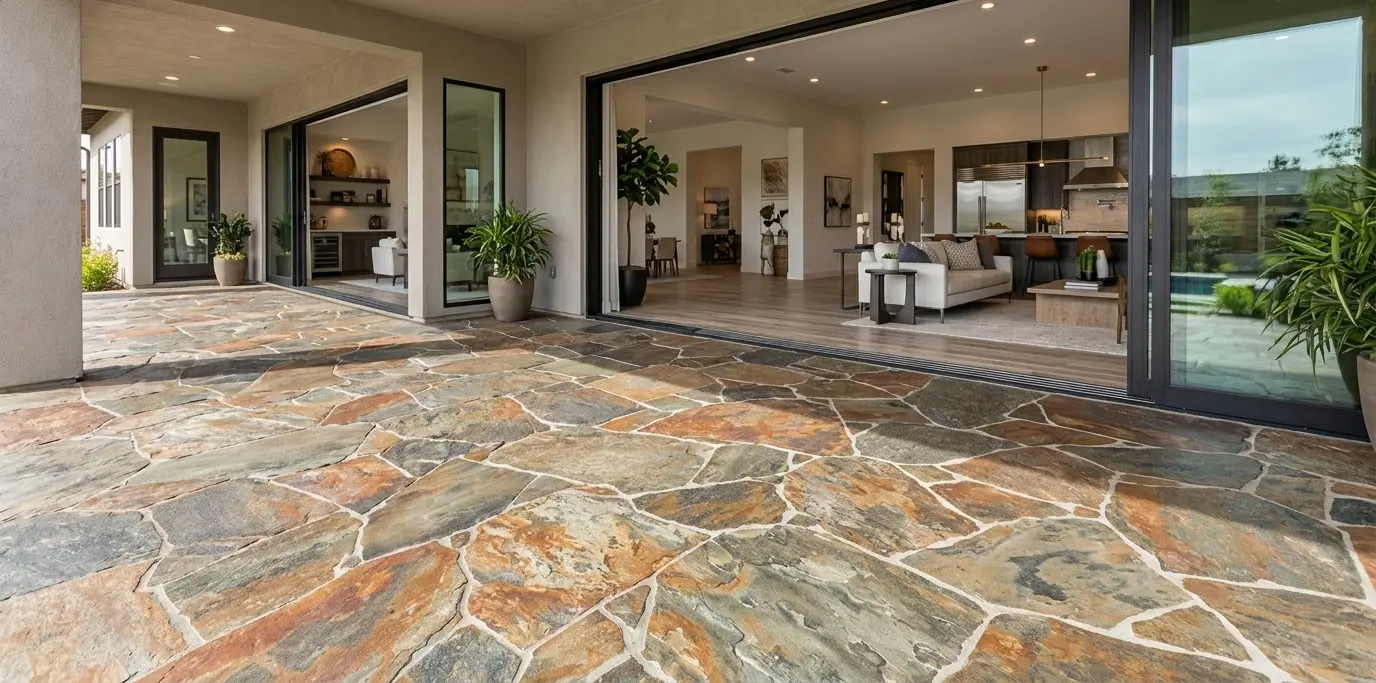
Does Exterior Stone Crack?
Cracking is less common than fading, but it does happen under certain conditions, and the cause is usually tied to installation, substrate movement, or extreme temperature cycling rather than the stone simply wearing out.
Freeze-thaw cycling is one of the leading causes of cracking in colder climates. Water that seeps into small pores or hairline fissures in the stone can freeze and expand, gradually widening those openings until a visible crack forms. This is more likely with stones that have higher porosity, such as certain limestones or sandstones, and less likely with dense, low-porosity stones like granite or quartzite.
Substrate and structural movement is another common cause. Exterior stone, whether natural or veneer, is installed over a structural wall system. If the underlying wall shifts due to foundation settling, thermal expansion, or moisture damage behind the stone, the stone or mortar joints above it can crack in response. In these cases, the crack is a symptom of movement elsewhere in the building rather than a failure of the stone itself.
Improper installation contributes to a meaningful share of cracking issues. Stone that is installed without adequate control joints, without proper flashing and drainage behind the veneer, or with mortar that was mixed or cured incorrectly is more prone to cracking regardless of climate. This is why installation quality matters as much as the material choice when it comes to long-term performance, and it is also why many contractors coordinate directly with suppliers that offer trade accounts to keep material sourcing and project timelines aligned.
Impact damage, such as a fallen branch or accidental strike, can chip or crack stone locally, but this is unrelated to aging and is more of an isolated event than a pattern.
For manufactured stone veneer specifically, hairline cracks sometimes appear in the mortar joints rather than in the stone pieces themselves, since mortar is generally more brittle than the stone or concrete veneer units it holds together.
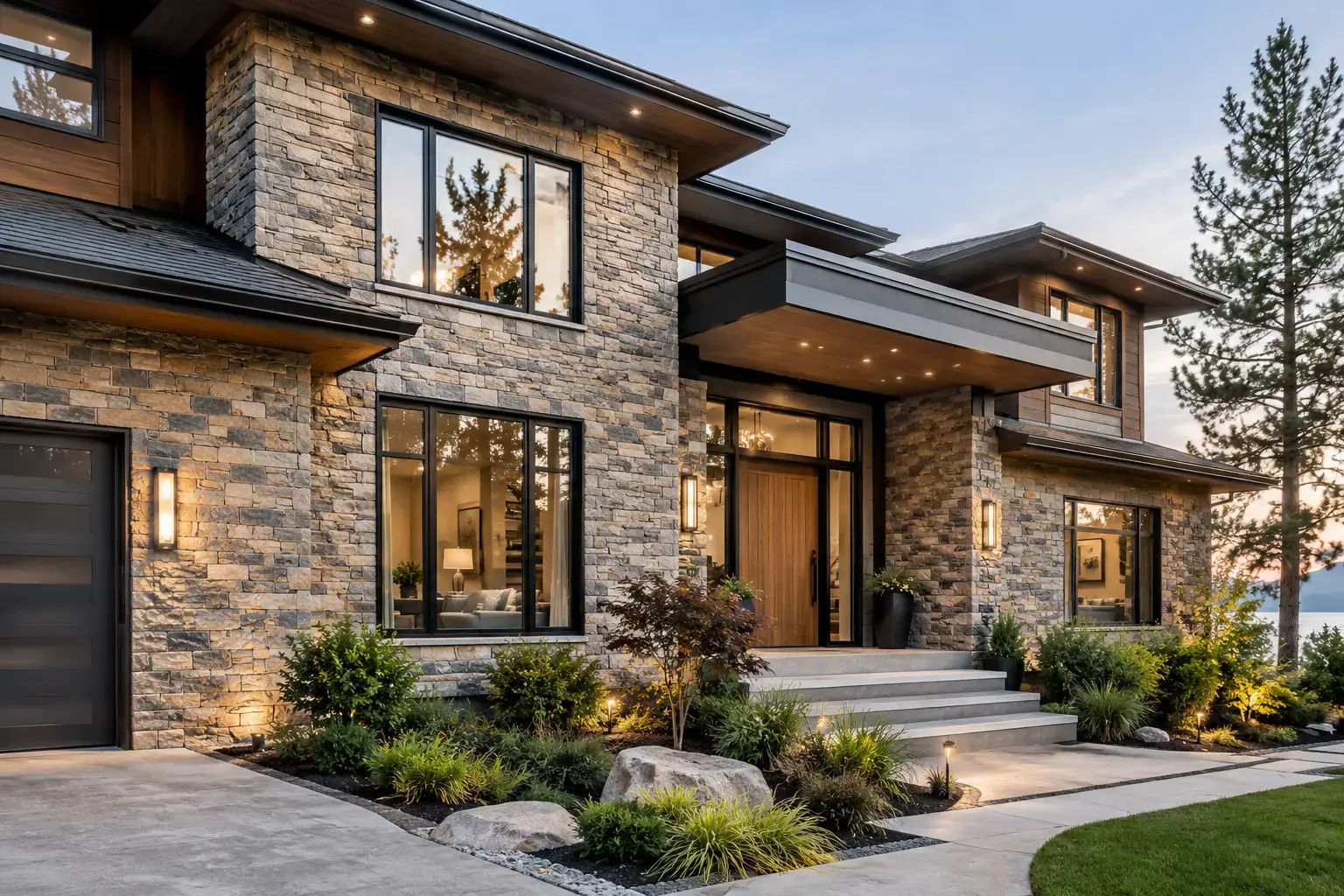
Does Exterior Stone Need Sealing?
Whether exterior stone needs sealing depends on the stone type, its porosity, and the climate it is exposed to.
Porous natural stones such as limestone, sandstone, and some types of slate benefit from periodic sealing. A sealer fills the microscopic pores in the stone surface, reducing water absorption and making the stone more resistant to staining, freeze-thaw damage, and mineral efflorescence (the white, chalky residue that can form when water carries salts to the surface and evaporates).
Dense natural stones like granite and quartzite have very low porosity to begin with, so sealing offers less practical benefit, though some homeowners still choose to seal for added peace of mind or a slight sheen enhancement.
Manufactured stone veneer is generally more porous than dense natural stone because of its concrete composition, but sealing recommendations vary by manufacturer rather than being a universal requirement. Some product lines state that sealing is optional and not necessary for performance, while others recommend it in regions with heavy rain, snow, or freeze-thaw cycles, largely to reduce the visibility of efflorescence rather than to protect the material itself. It's worth checking the specific product's care guidance rather than assuming sealing is required. For homeowners weighing these tradeoffs against a specific project, scheduling a design consultation is a straightforward way to sort through which stone types and sealing schedules fit the climate and application.
Sealing frequency generally depends on the product and exposure level. Some sealers are rated to last three to five years before reapplication is needed, while others may need refreshing more often in harsher climates. It is worth checking the specific stone or veneer manufacturer's recommendation, since sealing intervals can vary by product line. Applying a breathable sealer is important in all cases. A sealer that does not allow moisture vapor to escape from behind the stone can trap water in the wall system, which may lead to more serious moisture damage over time than leaving the stone unsealed. Sealers can also slightly change the stone's appearance, sometimes darkening or changing the color, so testing on an inconspicuous area first is a reasonable precaution.
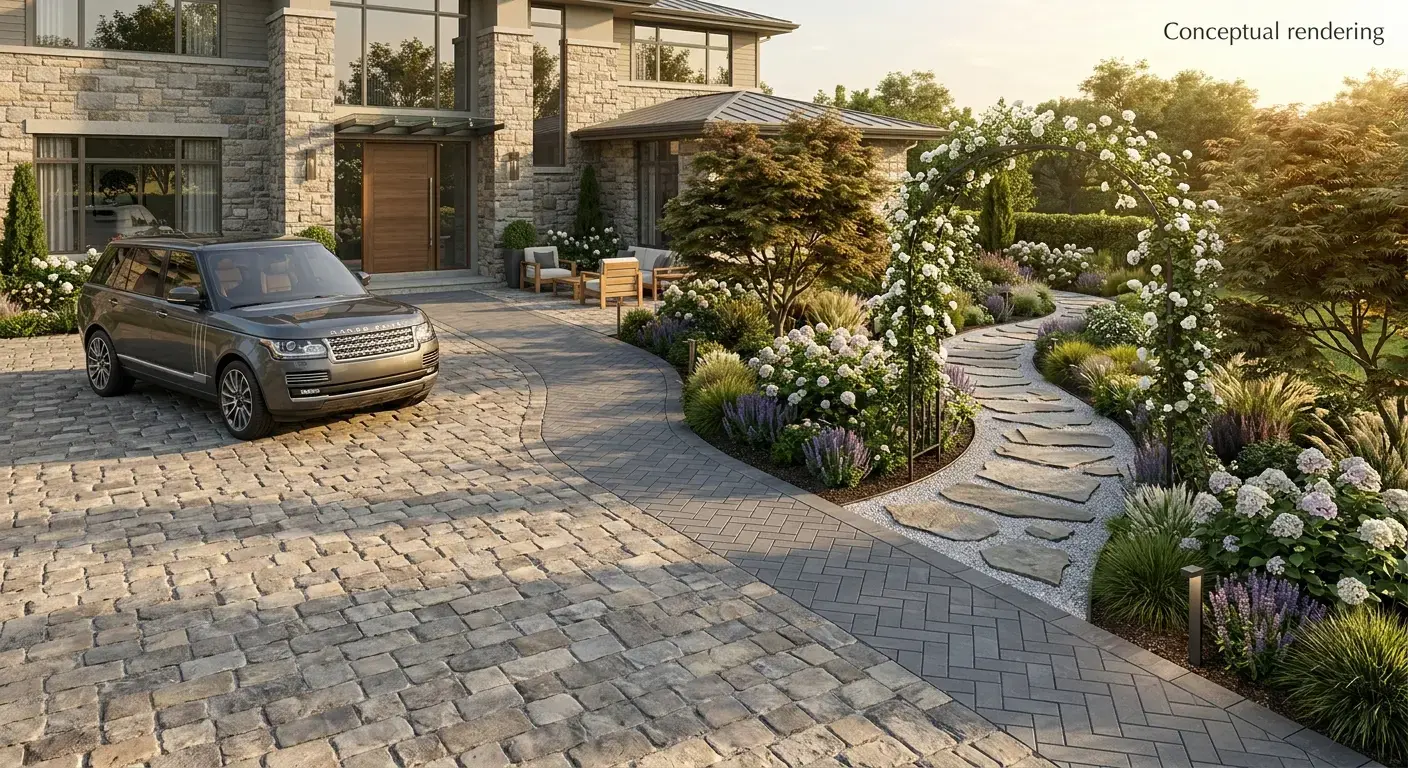
Factors That Influence How Well Exterior Stone Ages
A few overarching factors determine how well any exterior stone installation holds up over the years:
- Stone density and porosity. Denser stones resist fading, cracking, and staining better than porous ones, though porous stones can still perform well with proper sealing.
- Climate exposure. Freeze-thaw cycles, intense UV exposure, and coastal salt air each create different aging patterns, so the right stone choice often depends on regional conditions.
- Installation quality. Proper flashing, drainage, control joints, and mortar mixing have a significant effect on whether cracking or moisture issues develop.
- Maintenance routine. Regular cleaning to remove dirt, pollen, and mineral buildup, along with sealing where appropriate, extends the appearance and performance of the stone.
- Wall orientation and sun exposure. South- and west-facing walls typically show more fading over time than shaded or north-facing walls.
Weighing these factors against the full range of tile, slab, and paver options makes the decision easier, and browsing the complete product lineup is a useful step before watching for the wear signs below.
Signs That Exterior Stone May Need Attention
Homeowners can watch for a few visual cues that suggest it may be time for maintenance:
- Water no longer beads on the surface and instead soaks in, which can indicate the sealer has worn off.
- Small hairline cracks appearing in mortar joints, which are worth monitoring for growth.
- A chalky white residue (efflorescence) forming on the surface after rain.
- Noticeable color difference between a shaded area and a sun-exposed area of the same stone.
None of these signs typically indicate a structural problem on their own, but they are useful indicators of when a stone exterior could benefit from cleaning, resealing, or a closer inspection.
Conclusion
Exterior stone behaves differently depending on whether it is natural or manufactured, and it is not entirely immune to change over time. Natural stone tends to hold its color well due to its mineral composition, while manufactured veneer is more prone to gradual fading from UV exposure. Cracking is usually tied to freeze-thaw cycling, substrate movement, or installation quality rather than the stone simply breaking down with age. Sealing needs vary by stone type, with porous natural stones and manufactured veneer generally benefiting the most from periodic sealing, while dense stones like granite need it far less. Understanding these factors ahead of time helps set realistic expectations for how a stone exterior will look and perform years down the road. For homeowners exploring exterior stone options in person, our showrooms in Sacramento, Reno, Minden, and Fernley have a range of natural stone and veneer products available to see and compare firsthand.
Note: Some images on this page may be conceptual renderings created to illustrate design possibilities and may not depict actual installations.
Frequently Asked Questions
Most exterior stone installations can go many years with minimal upkeep beyond routine cleaning. Sealing intervals, when needed, typically range from three to five years depending on the product and climate, while cleaning and inspection are recommended on a yearly basis.
Generally, yes. Manufactured veneer relies on pigments mixed into concrete, which can shift in color under prolonged UV exposure, especially on sun-facing walls. Natural stone gets its color from minerals throughout the material, so it tends to hold its appearance more consistently over time.
Small cracks, particularly in mortar joints, can often be addressed with mortar repair or patching. Larger structural cracks may point to an underlying issue with the wall substrate that should be evaluated before any surface repair is made, since patching alone will not resolve movement happening behind the stone.
Not necessarily. Sealing frequency depends on the stone type, the sealer product used, and how much weather exposure the wall receives. Some sealers last three to five years, while high-exposure areas or more porous stones may need more frequent attention.
No. Efflorescence is a surface deposit of mineral salts carried to the surface by moisture, and it is a cosmetic issue rather than a sign of stone failure. It can often be reduced with cleaning and addressed going forward with proper sealing and drainage behind the installation.