Yes, ledger stone can be used outdoors on vertical surfaces such as accent walls, entry columns, outdoor kitchen walls, and fireplace surrounds, provided the specific product is suitable for the intended exposure. For locations with freezing winters, confirm the product’s documented suitability for freeze-thaw conditions. Fireplace applications also require compliance with the veneer and fireplace manufacturers’ instructions. Long-term performance depends on product selection, substrate preparation, and moisture management. Sealing alone does not establish exterior suitability.
Natural Stone vs. Manufactured Ledger Stone
Ledger stone, sometimes called stacked stone or ledger panels, refers to thin strips of stone that are fit together in a staggered, horizontal pattern to mimic the look of a hand-stacked stone wall. It comes in two forms.
Natural ledger stone is cut from real quarried material such as quartzite, travertine, slate, or limestone, then trimmed into thin panels and mounted on a mesh or epoxy backing. Because it's real stone, each piece has natural color variation, texture, and mineral veining consistent with quarried masonry.
Manufactured ledger stone, sometimes marketed as cultured stone or concrete stone veneer, is cast from a blend of cement, aggregate, and iron-oxide pigments poured into molds taken from real stone. It's lighter than natural stone and generally easier to handle on site, and it's built to hold color and shape once cured and sealed.
Both categories are common in the stone veneer aisle of a tile and stone showroom, and manufacturers make both types with exterior use in mind. The difference in performance outdoors comes down to material composition, not just appearance.
Natural Ledger Stone Outdoors
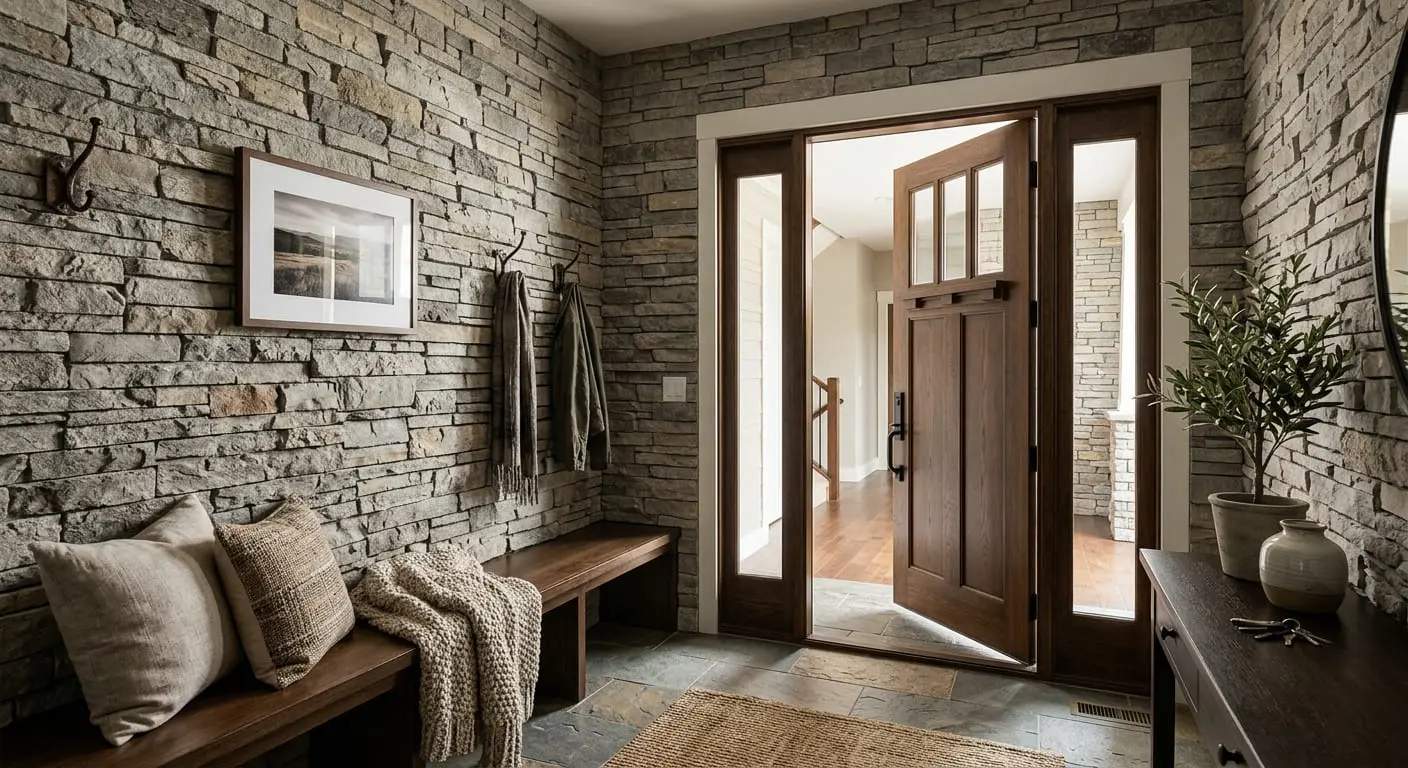
Natural ledger stone can be suitable for exterior walls, but performance varies by product. For quartzite, slate, and other natural stones, check the supplier’s documentation for the expected moisture exposure and local freeze-thaw conditions.
Softer, more porous natural stones need more attention outdoors. Some travertine and limestone varieties absorb water more readily, which matters in climates that see repeated freezing and thawing. Water that gets into the pores of a stone and then freezes can expand and cause small cracks or surface flaking over time, a process sometimes called spalling. This is more relevant in Reno, Minden, and Fernley, where winter nights regularly dip below freezing, than in Sacramento's milder climate.
None of this rules natural stone out for exterior use. It simply means the specific stone type and finish should match the climate and exposure of the installation site, and that sealing schedules matter more outdoors than indoors. A qualified installer or fabricator can advise on which natural stone options are best suited to a given exterior application and local weather pattern.
Manufactured Ledger Stone Outdoors
Manufactured stone veneer is engineered specifically for exterior wall systems, and full home facades clad in this material are a common sight in new construction. Because it's cast under controlled conditions, manufactured ledger stone has more consistent density and water absorption from piece to piece than natural stone does.
The vulnerability with manufactured stone outdoors isn't usually the stone itself. It's what happens behind it. Manufactured veneer relies on a water-resistive barrier, metal lath, and a scratch coat installed against the wall sheathing before the stone goes up. If that moisture barrier is missing or installed incorrectly, water can get trapped behind the veneer and cause damage to the wall structure that has nothing to do with the stone facing itself. This is why exterior stone veneer installation is typically handled by an experienced mason or contractor who follows manufacturer specifications for the substrate.
Where Ledger Stone Works Well Outdoors
Ledger stone tends to perform best outdoors in vertical, above-grade applications rather than horizontal surfaces that collect standing water. Common exterior uses include:
- Accent walls and home facades – a partial or full exterior wall clad in ledger stone adds texture and depth to an entryway or street-facing elevation.
- Entry columns and porch supports – stacked stone wraps cleanly around square or round columns and holds up well under a covered entry.
- Outdoor kitchens and grill islands – ledger stone is a frequent choice for the vertical faces of outdoor kitchen islands, paired with a stone or porcelain countertop on top. You can request a quote on a matching countertop slab once you've settled on a ledger stone color.
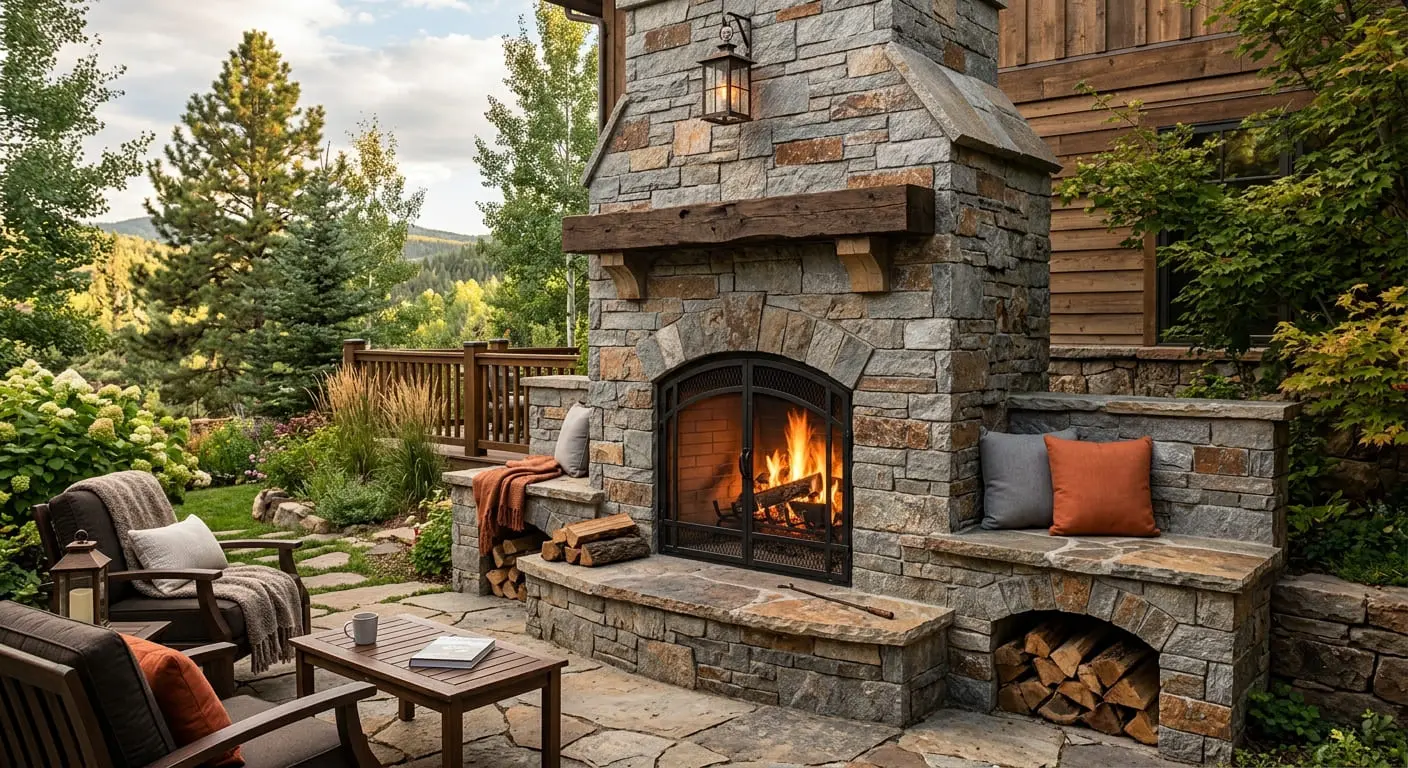
- Fireplaces and fire pits – exterior fireplaces clad in ledger stone are common in backyard settings, provided the stone selected is rated for heat exposure near the firebox.
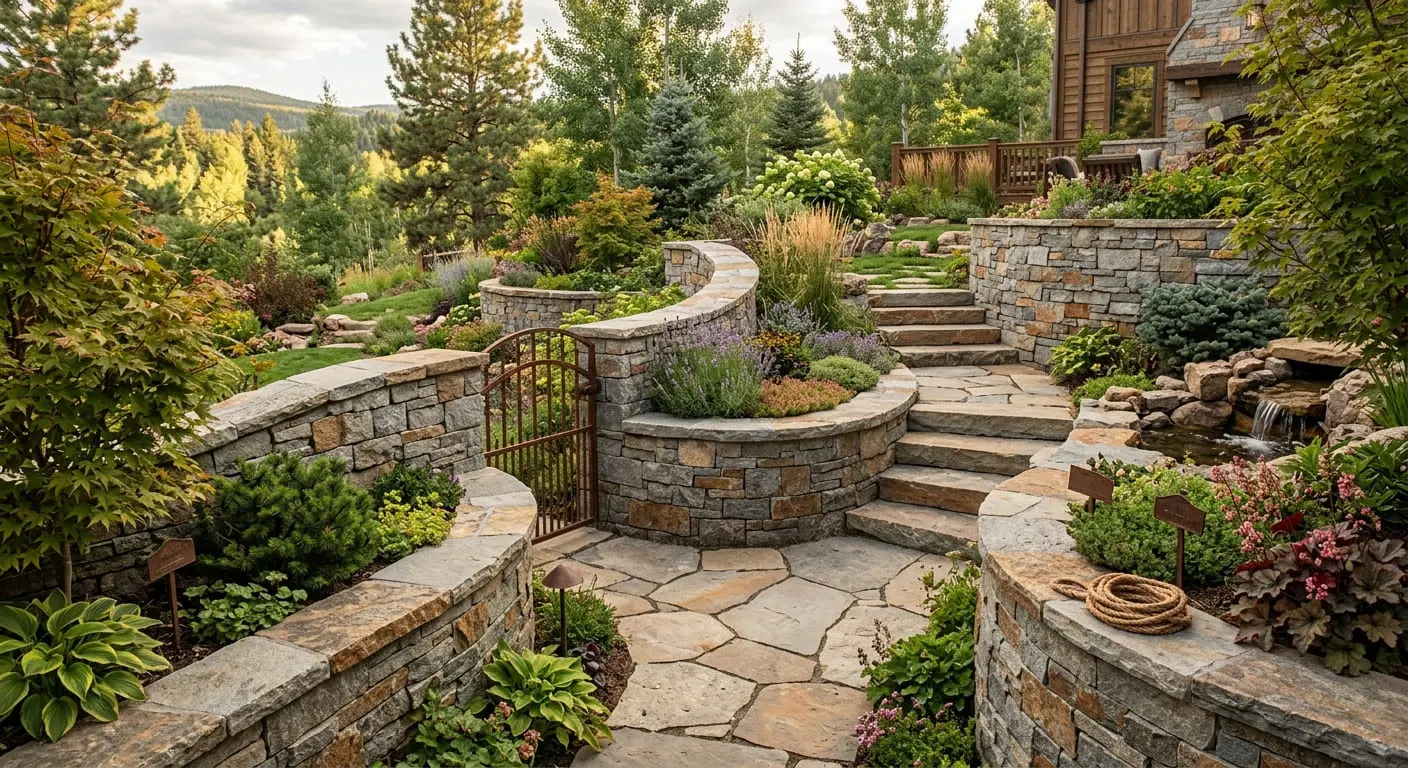
- Retaining walls and garden walls – ledger panels can dress up the visible face of a low retaining wall, though structural retaining walls still need to meet engineering requirements independent of the stone facing.
Areas to be more cautious with include ground-level applications where the stone sits close to soil or mulch, since consistent moisture contact and freeze-thaw cycling at grade level increase the chance of problems over time. A gap between the bottom of the stone and the finished grade, along with proper flashing, helps keep water moving away from the wall instead of into it.
Climate Considerations for Local Homeowners
Because our showrooms serve both the Sacramento Valley and the high desert areas of Reno, Minden, and Fernley, the climate question comes up often, and the answer isn't the same for every location. Sacramento's exterior conditions are relatively mild, with less freeze-thaw cycling to worry about. The Reno, Minden, and Fernley area sees a wider temperature swing between summer and winter and more nights below freezing, which puts more stress on any porous exterior material, ledger stone included.
This doesn't mean homeowners in the high desert need to avoid natural stone outdoors. It means the stone type, sealer, and installation details deserve more attention up front. For locations with freezing winters, choose a natural or manufactured veneer documented as suitable for local freeze-thaw exposure. Follow the manufacturer’s installation and maintenance instructions; sealing alone does not establish suitability.
Installation Considerations
Regardless of which type of ledger stone is chosen, a few installation fundamentals affect how well it performs outdoors over the years:
Product selection and substrate preparation are both essential to exterior performance. Exterior installations typically call for a water-resistive barrier, corrosion-resistant metal lath, and a scratch coat mortar bed before the stone panels or individual pieces go on, following the stone or veneer manufacturer's written installation instructions.
Mortar selection depends on both the veneer product and the substrate. Use the bonding mortar specified by the veneer manufacturer for the complete installation system. Some natural stone veneers require polymer-modified mortar even over masonry or a scratch coat, so Type S should not be treated as a universal choice. An experienced installer should confirm compatibility before installation.
Weep screeds and flashing at the base of the wall and around windows and doors give any moisture that does get behind the stone a path to drain out rather than sit against the structure.
Grout joints and sealant lines should be inspected periodically and re-caulked where needed, since gaps at transitions (around windows, at the top of a wall, where the stone meets a different material) are common entry points for water.
Because these installation details determine long-term performance as much as the stone selection does, we always recommend working with an experienced mason or contractor for exterior stone veneer projects. Contractors handling the work can also apply for a trade account to source materials directly at trade pricing.
Maintenance for Outdoor Ledger Stone
Outdoor ledger stone generally needs less upkeep than a lot of homeowners expect, but a little routine care goes a long way. Natural stone benefits from periodic resealing on a schedule that depends on the specific stone type, its porosity, and how much direct weather exposure it gets. A simple water test, where a few drops are placed on the surface and checked to see if they bead up or soak in, is a common way to gauge when a natural stone surface needs to be resealed.
Manufactured stone veneer typically holds up with occasional rinsing to remove dirt, pollen, or mineral buildup from sprinklers, along with a soft brush for grout lines. Pressure washers should be used with caution, if at all, since high pressure can force water behind panels or damage grout joints. Both natural and manufactured ledger stone should be checked periodically for any cracked or loose pieces, since catching a small issue early is far easier to address than waiting for it to spread.
Conclusion
Ledger stone, whether natural or manufactured, holds up outdoors as long as the material is matched to the climate and the installation follows the right moisture management steps behind the panel. It works well on everything from entry columns to full outdoor kitchen islands, and the wide range of colors and textures available makes it easy to tie an exterior space into the rest of a home's design. If you're weighing natural stone against manufactured veneer for an outdoor project, our team can walk through samples in person and confirm which specific options are suited to exterior use, along with your climate, wall type, and design plans. Stop by one of our showrooms in Sacramento, Reno, Minden, or Fernley, or book a design consultation before you start comparing installers.
Note: Some images on this page may be conceptual renderings created to illustrate design possibilities and may not depict actual installations.
Frequently Asked Questions
Both categories include products suitable for exterior walls, but suitability depends on the specific product, climate, and wall assembly. Compare documented exterior performance, installation requirements, appearance, and budget rather than assuming one category is always better.
Sealing requirements vary by product. Follow the stone or veneer manufacturer’s instructions on whether a sealer is appropriate and when reapplication is needed. Sealing does not replace drainage or establish suitability for freeze-thaw exposure.
Some ledger stone products may be suitable for vertical walls near pools, but confirm the manufacturer’s requirements for splash exposure, pool chemicals, and saltwater. Approval for exterior walls does not automatically include pool splash zones or submerged applications. Low water absorption and sealing alone do not establish suitability.
Ledger stone can crack or deteriorate if the product or installation is unsuitable for freeze-thaw exposure. Choose a product documented for the local conditions and follow the specified drainage and installation details. Dense stone or a sealed surface alone does not guarantee resistance to freeze-thaw damage.
Installation depends on the veneer product and wall substrate. Follow the manufacturer’s instructions for substrate preparation, moisture management, bonding mortar, flashing, and drainage. Framed walls, cement board, and masonry may require different assemblies. An experienced installer should confirm the complete system before work begins.