At a Glance
- Choose honed or leathered stone for any outdoor surface people walk on. Both give better footing in frost and snowmelt and cut summer glare.
- Save polished stone for walls, column wraps, and outdoor fireplace surrounds, where nobody walks and snow does not settle.
- In sunny Sacramento, a lighter tone in a honed finish stays cooler and easier on the eyes. In snowy Reno and Minden, leathered is the first pick for steps and entry walks.
- Granite and porcelain resist fading best in direct sun. Travertine needs regular sealing in snow country.
- Shovel early and salt sparingly. Heavy deicing salt is harder on stone than snow is.
In This Post
- Start With the Season That Works Your Space Hardest
- What Summer Sun Does to a Polished Surface
- Which Finish Works Best on Snowy Steps and Walkways?
- Which Stone Finish Fits Each Outdoor Surface?
- Winter Care That Protects the Finish You Chose
- Questions to Settle Before You Pick a Finish
- Conclusion
- Frequently Asked Questions
- Sources
The best outdoor stone finish for any surface people walk on is honed or leathered. A matte or textured face gives better footing when frost and snowmelt arrive, and it cuts the glare that polished stone throws back in summer sun. Polished stone still works outdoors, but it belongs on walls, column wraps, and outdoor fireplace surrounds where nobody walks.
Climate decides the rest. In sun-heavy Sacramento, a lighter tone in a honed finish keeps glare in check and stays more comfortable underfoot. In snowy Reno and Minden, a leathered finish is our first pick for front steps and entry walks.
Our rule is simple: choose each finish by the season that pushes that surface hardest, not by how the stone looks under showroom lights.
Start With the Season That Works Your Space Hardest
Our showrooms in Reno, Minden, and Sacramento serve two very different outdoor calendars. A Sacramento backyard spends most of the year under strong sun with mild winters, while a patio in Reno or Minden faces bright high-desert summers and real snow.
That difference should drive the finish decision before color or pattern. If sun is the main test, glare, fading, and comfort underfoot come first. If frost and snowmelt are the main test, footing comes first.
Many homes in our area get both seasons at full strength, so we rarely suggest one finish for every outdoor surface on the same property. A sunny back patio, a shaded front step, and a stone-clad wall each face the year differently, and each deserves its own call.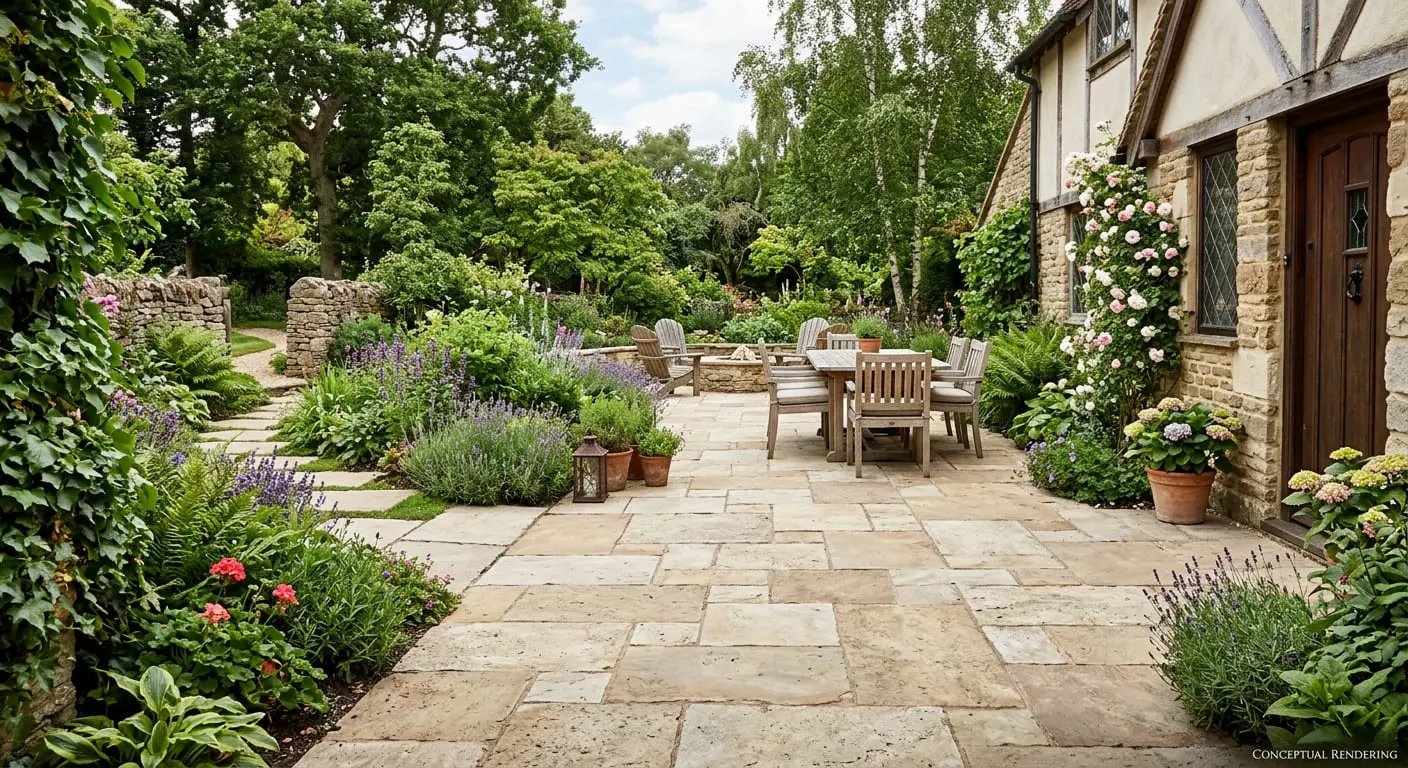
What Summer Sun Does to a Polished Surface
A polished finish reflects light, while a honed finish gives a softer, muted appearance, according to Use Natural Stone's guide to stone finishes. Indoors, that reflection reads as luxury. On a south-facing patio at two in the afternoon, it reads as glare you squint through.
Fading is the second summer question. Of the materials we carry for outdoor use, granite and porcelain are the two that resist fading in direct sun, though performance may vary by color and finish. Quartzite and travertine are both a good fit for exterior stone applications, so choose them for their character and texture rather than for fade resistance.
Comfort is the third. The U.S. Environmental Protection Agency notes that paving which reflects more sunlight stays cooler and makes outdoor gathering spots more pleasant. On a west-facing patio where kids run barefoot after school, we would choose a lighter tone in a honed finish over a dark polished one.
Finish also changes how color reads outdoors. That same finish guide explains that a finish can soften or deepen a stone's color, so look at the honed and leathered versions of the same stone side by side in daylight before you decide.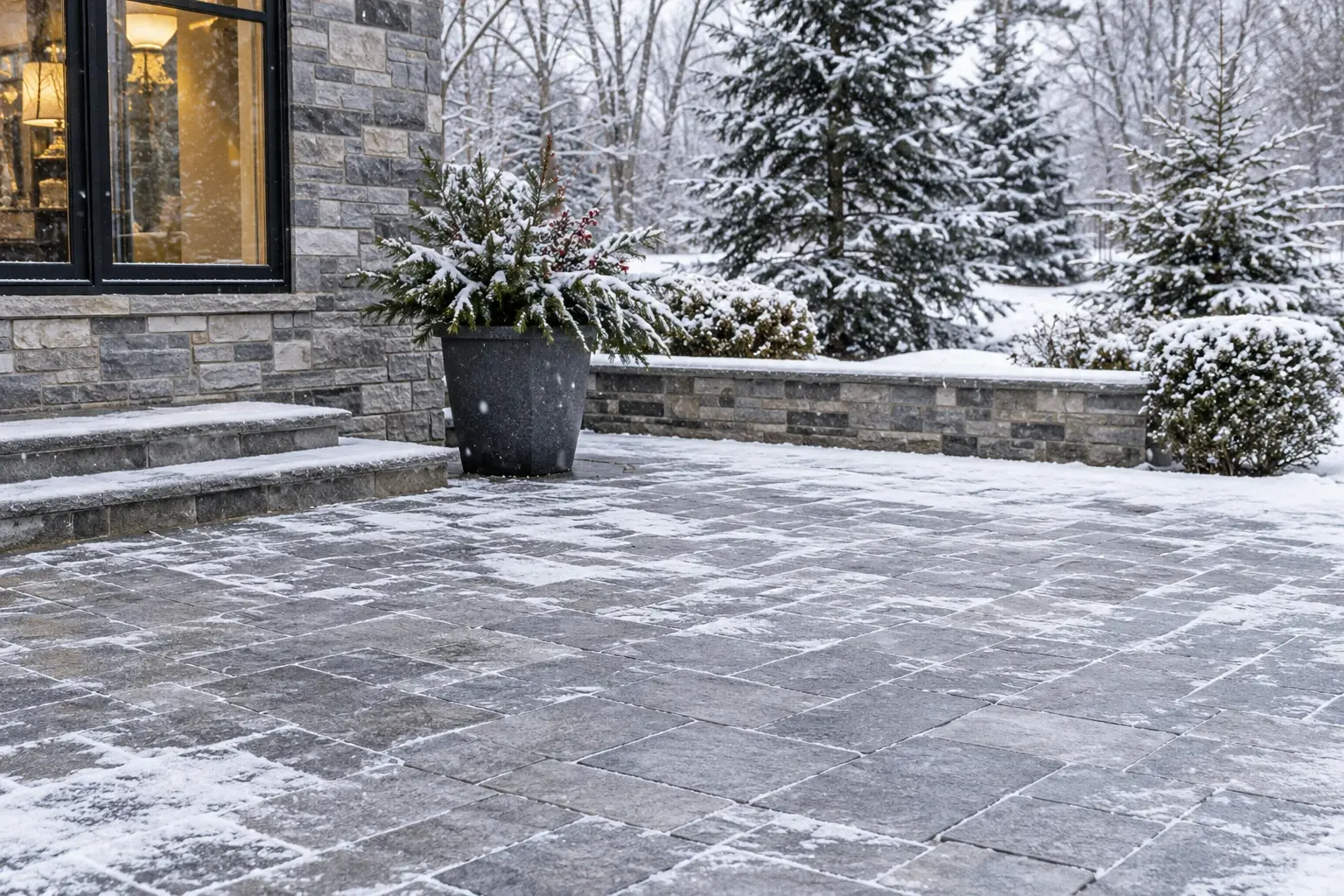
Which Finish Works Best on Snowy Steps and Walkways?
Footing is the winter question, and finish answers it more directly than anything else. As our natural stone exterior page points out, a matte or textured face holds better underfoot when wet than a high-gloss one, and no outdoor stone should be treated as non-slip once ice forms.
Leathered finishes add a texture you can feel through a boot sole, which matters most on the first step out the door after an overnight freeze. Use Natural Stone makes a related point about honed stone, saying that on many varieties it gives better footing as a walking surface.
Polished stone still has a winter job, just not underfoot. Snow does not sit on a vertical face the way it piles on a step, so polished granite or quartzite on a column wrap or an outdoor fireplace surround keeps its gloss without becoming a footing problem. Our exterior stone guide shows how façades, entrances, and columns put stone to work.
A split approach often looks best of all. Picture a honed quartzite patio running up to a polished quartzite fireplace wall: one stone, two finishes, each matched to what its surface faces in January.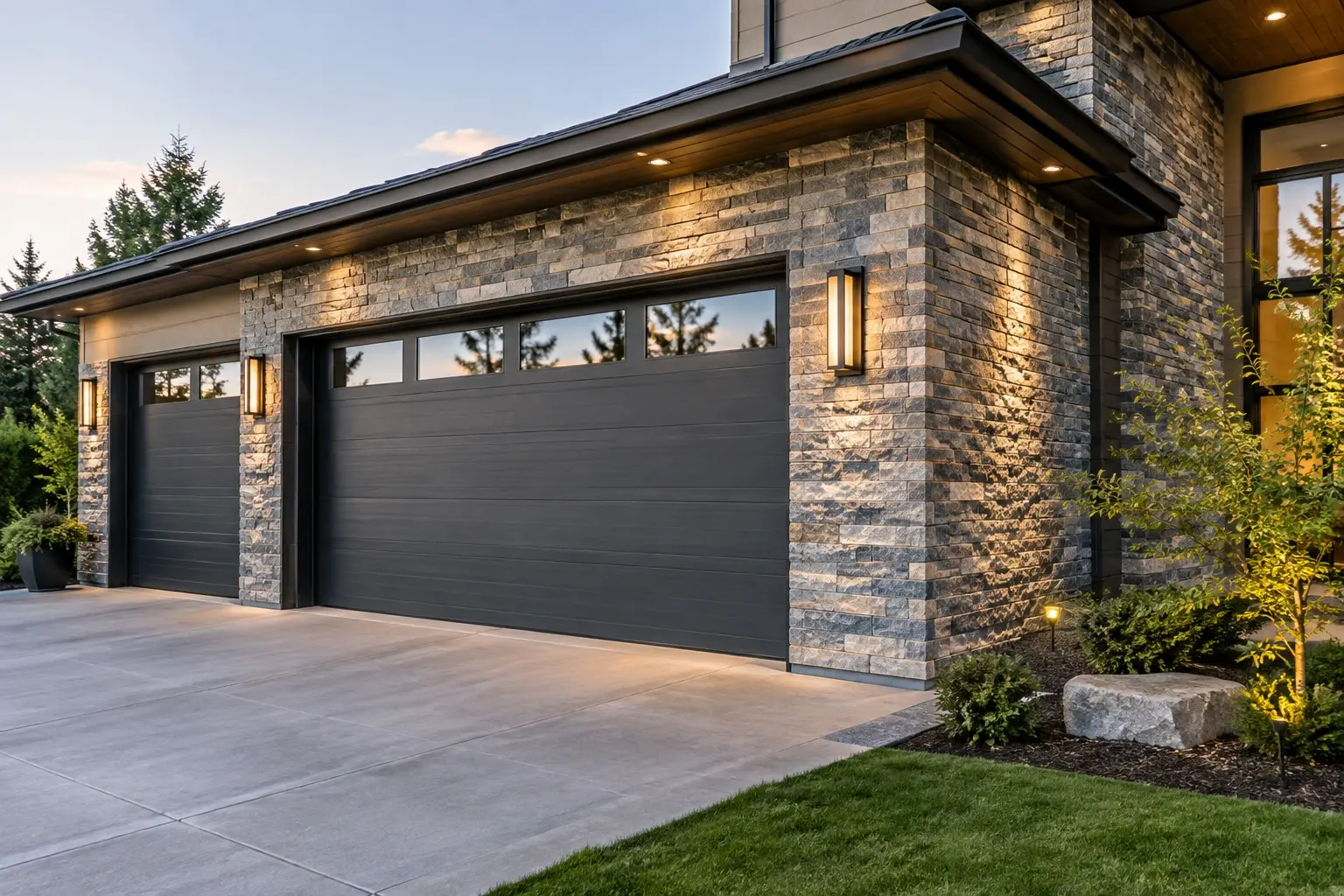
Which Stone Finish Fits Each Outdoor Surface?
A sun-baked back patio and a shaded front step ask for different things from the same material. The patio needs a surface that stays comfortable and easy on the eyes in August, and the step needs one that holds through freezing nights, so honed or leathered serves both better than polished.
For walking surfaces, granite, quartzite, travertine, and porcelain are all suited to outdoor floors in honed or leathered finishes. Travertine soaks up more moisture than granite or quartzite, so plan on sealing it in snow country, while the two denser stones ask for little beyond routine cleaning.
Porcelain is the pick when you want one consistent look running from a covered porch out to an open walkway. It comes in honed and leathered finishes and in looks such as slate look and concrete look, which suit modern homes where natural variation from piece to piece would feel too busy.
Outdoor kitchens are where granite pulls ahead. Of the natural stones we recommend for outdoor use, granite is the one we point to for food-prep surfaces, though a cutting board is always recommended. It also comes in polished, honed, and leathered finishes, so the counter can match the patio or contrast with it.
Browse our live slab inventory to compare granite and quartzite slabs for counters and wall cladding. Once you have a shortlist, send the slab names through our slab quote request so you can plan with real options in hand.
Winter Care That Protects the Finish You Chose
Deicing salt is harder on outdoor stone than snow is. University of Minnesota Extension warns that heavy salting can degrade natural stone and concrete, and says a 12-ounce coffee mug of salt is enough for roughly a 20-foot driveway.
Our advice is to shovel early and salt sparingly on any stone surface, honed or polished. The surface is durable, but proper care will help preserve its appearance through repeated winters.
For routine cleaning, the Natural Stone Institute recommends a neutral cleaner or mild soap, plus a clear-water rinse and a mild bleach solution for algae or moss around outdoor patios and pools. Acidic products such as vinegar or lemon-based cleaners can dull some stones, travertine included, so read the label before anything goes on the surface.
That guidance also makes clear that sealing makes stone more stain resistant, not stain proof. For travertine in snow country, reseal on a schedule that fits how exposed the surface is rather than treating one application as permanent.
When the thaw comes, deal with the leftovers. Extension advises sweeping up salt grains once surfaces are dry and saving them to reuse later in the season, which keeps that residue from sitting on your stone for weeks.
Questions to Settle Before You Pick a Finish
Before committing, answer three things for each outdoor surface: which season it faces hardest, whether people walk on it, and how much care you will give it each year. A sunny patio, a shaded north entry, and a stone-clad fireplace wall will give three different answers.
Photograph each area at midday and again after a snowfall if you can. Those two photos show where glare lands and where frost lingers, which tells you more about the right finish than any brochure.
If your contractor or designer is sourcing materials for several outdoor projects, a trade account gives that professional dedicated support across every job. And if the environmental profile of your material matters to you, this guide to environmental and health product labels for natural stone explains how to compare options on that front.
Conclusion
Walk your outdoor spaces this week and mark the spots where frost hangs on longest and where the afternoon sun hits hardest. Those spots get honed or leathered finishes, and polished stone moves to the walls, columns, and fireplace faces.
Bring that map and your photos to a free design consultation at Nova Tile and Stone, and our team will help you pair each surface with a granite, quartzite, travertine, or porcelain option that suits it.
Frequently Asked Questions
A honed or leathered finish, since a matte or textured face gives better footing than a high-gloss one when wet. Clear snow and ice promptly anyway, because no outdoor stone stays grippy under ice.
Yes, on surfaces nobody walks on, such as walls, column wraps, and outdoor fireplace surrounds. Granite and quartzite both come in polished finishes and suit those exterior spots.
Granite and porcelain resist fading, but performance may vary by color and finish. Quartzite and travertine are good fits for exterior use, so choose them for their look and texture and compare finishes in daylight before you commit.
Heavy use can. Clear the snow first and spread salt thinly, since University of Minnesota Extension says a 12-ounce coffee mug of salt is enough for roughly a 20-foot driveway.
Not necessarily. The same stone can go honed or leathered on the patio and polished on a wall or fireplace surround, which keeps the colors related while each surface gets the finish its season calls for.
Sources
- Natural Stone Institute (Use Natural Stone), Selecting the Ideal Stone Finish | https://usenaturalstone.org/selecting-the-ideal-stone-finish/
- U.S. Environmental Protection Agency, Using Cool Pavements to Reduce Heat Islands | https://www.epa.gov/heatislands/using-cool-pavements-reduce-heat-islands
- University of Minnesota Extension, The Effects of Deicing Salts on Landscapes | https://extension.umn.edu/garden-and-home/yard-and-garden/lawns-and-landscapes-in-minnesota/the-effects-of-deicing-salts-on-landscapes
- Natural Stone Institute, Care & Cleaning of Natural Stone | https://www.naturalstoneinstitute.org/consumers/care/
- Natural Stone Institute (Use Natural Stone), Understanding Environmental and Health Product Labels for Natural Stone | https://usenaturalstone.org/understanding-environmental-and-health-product-labels-for-natural-stone/
Note: Some images on this page may be conceptual renderings created to illustrate design possibilities and may not depict actual installations.