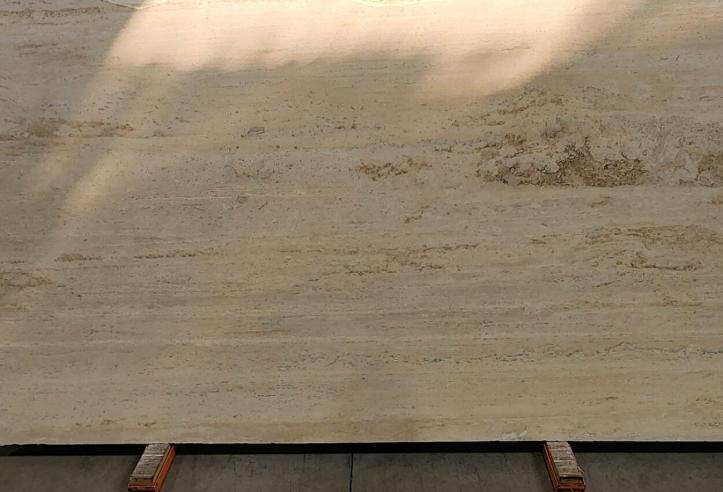
Black Travertine Countertop
A black travertine countertop is a natural stone
surface formed from sedimentary limestone, known for its deep tone and
distinctive texture. Unlike synthetic materials, it is quarried directly from
the earth, making each slab entirely unique. Its density, heat resistance, and
timeless appeal make it a sought-after choice for homeowners who want both
durability and sophistication. When sealed correctly, it resists staining and
holds up well to everyday use as practical as it is visually striking.
What Makes Black Travertine Stand Out
Few natural stones offer the same depth and character that
this material brings to a space. The dark surface carries subtle veining and
tonal variation, giving each slab an organic quality that no manufactured
material can replicate.
Whether used in a contemporary kitchen or a classic
bathroom vanity, it creates a bold visual anchor that pairs effortlessly with
lighter cabinetry, metallic fixtures, and warm wood accents. Homeowners drawn
to an equally dramatic but harder-wearing option may also want to consider a black
quartzite countertop, which delivers a similar look with added surface
resistance.
Durable
Timeless
Versatile
Elegant
Why This Stone Is Worth Choosing
Travertine has been used in architecture and interior design
for centuries, and its durability is well established. The dark variety is well suited for thoughtfully designed kitchens and bathrooms, since it conceals everyday smudges more effectively than lighter stones.
Travertine conducts heat efficiently, making it compatible with radiant
heating systems, and it consistently adds perceived value to a home. Those
comparing options may also find it helpful to look at a black
porcelain countertop, which offers a lower-maintenance alternative in the
same dark palette.
A Surface Built to Last
Beyond its visual appeal, black travertine can perform well over time with proper sealing and care. Its natural density allows it to withstand daily demands without losing character over time. With proper sealing and simple upkeep, a neutral cleaner and a soft cloth are all that is needed it can hold up well over time when properly sealed and maintained. It is a material that grows in presence the longer it is lived with, making it a sound investment for any home.
Pros
- Unique, one-of-a-kind appearance
- Heat resistant and kitchen-friendly
- Timeless, enduring style
- Adds home value
- Pairs well with varied décor

Cons
- Requires regular sealing
- Softer and more prone to scratches than granite
- Sensitive to acids and harsh cleaners
- Higher maintenance than engineered surfaces
- Can be costly depending on quality and thickness
Frequently Asked Questions
Yes. It is heat-resistant, durable, and visually striking. When properly sealed, it handles the demands of a kitchen environment without issue.
Yes. Travertine is porous, so sealing is necessary to prevent moisture absorption and staining. Resealing every one to two years is generally recommended depending on usage.
It is softer than granite but offers a warmer, more textured look than polished marble. It also tends to be more affordable than many exotic granite varieties while still delivering a premium natural finish.
It can be polished, honed, or brushed. A polished finish deepens the dark tone, while a honed finish gives a softer, matte appearance that conceals minor surface wear more easily.
You can browse available stone surfaces, compare finishes, and request samples by visiting the showroom online or at a physical location near you.
Featured Product