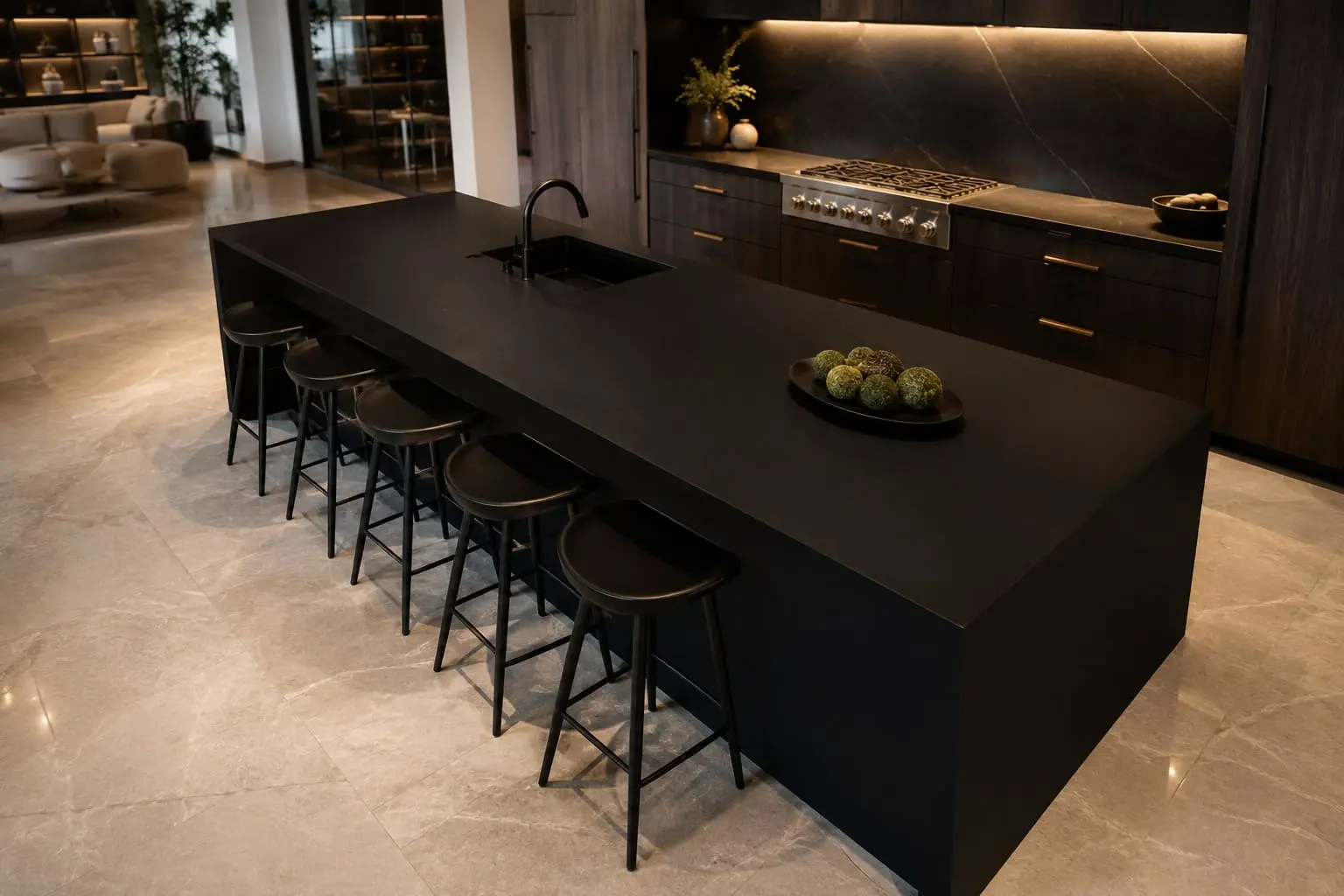
Dark-toned natural stone is one of the more considered
choices for a kitchen island, valued for the depth it brings to the space and
the contrast it creates against lighter cabinetry, hardware, and surrounding
surfaces. Stone in darker tones is available in a range of finishes, including
polished, honed, leathered, and specialty options, each of which affects the
surface appearance, maintenance needs, and overall feel of the island. Because
each slab forms naturally, variation in tone, veining, and mineral character is
expected from one piece to the next.
Selecting the right stone and finish for a
kitchen island with a black or dark tone involves evaluating how the surface
will be used, how much maintenance the household can commit to, and how the
slab fits within the broader design of the space.
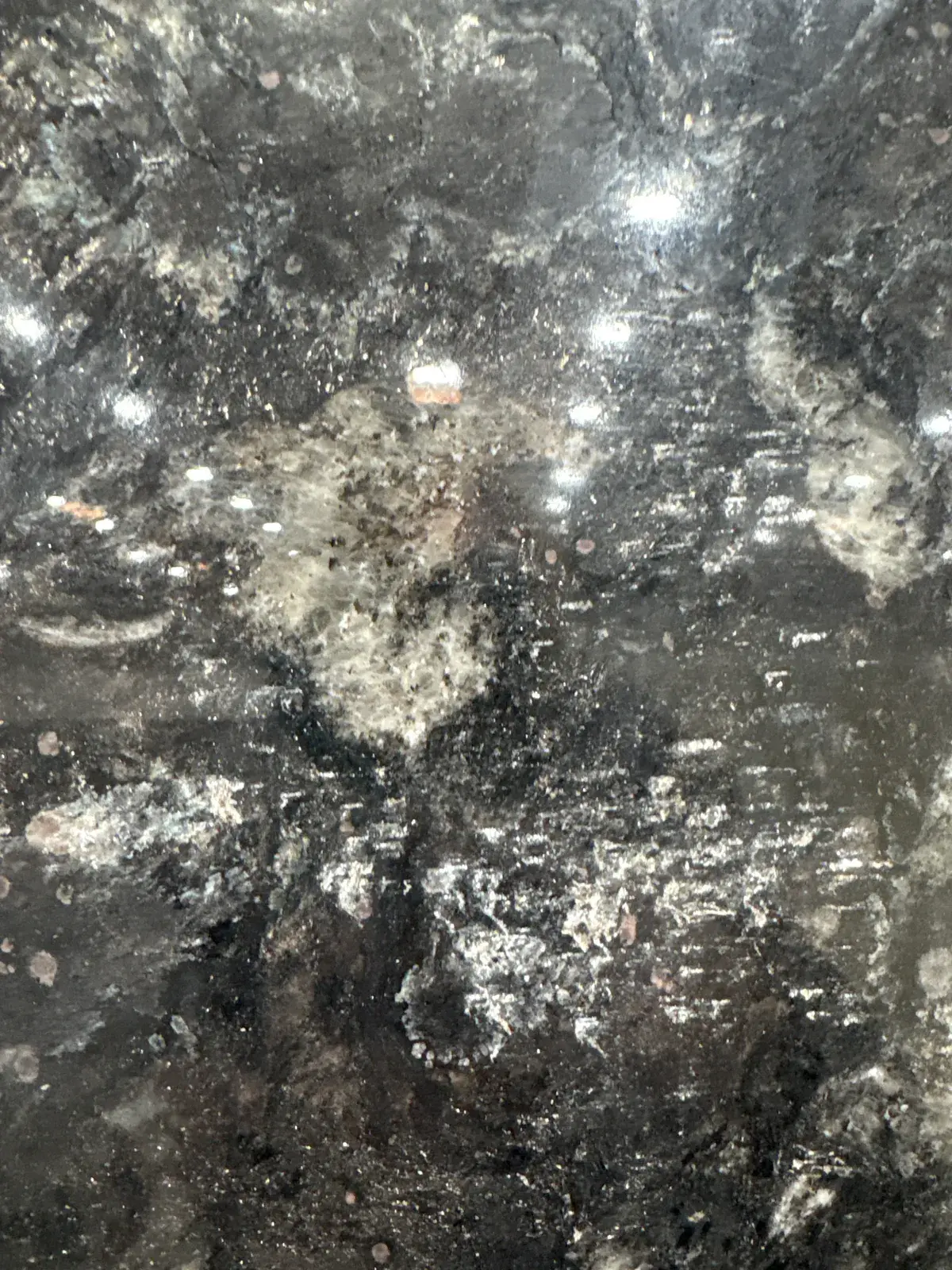
A few of the stone options our team carries for kitchen islands:
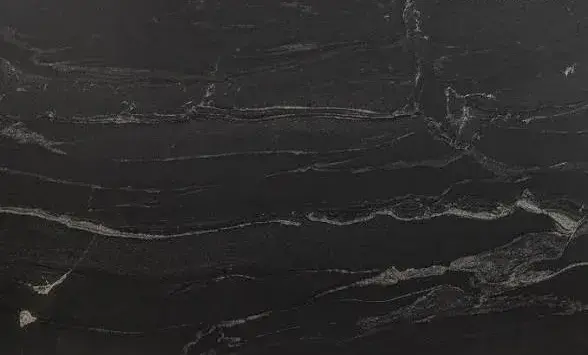
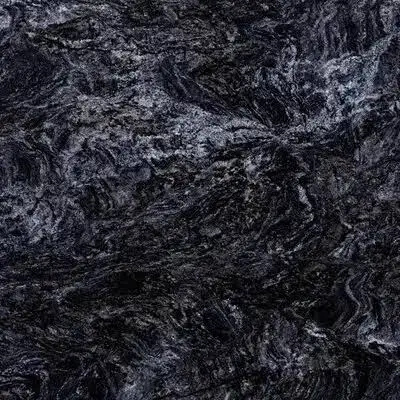
Black Mist
(Granite)
Titanium
(Granite)
Lava Vecchiea
(Granite)
For the complete inventory, visit our slab collection.
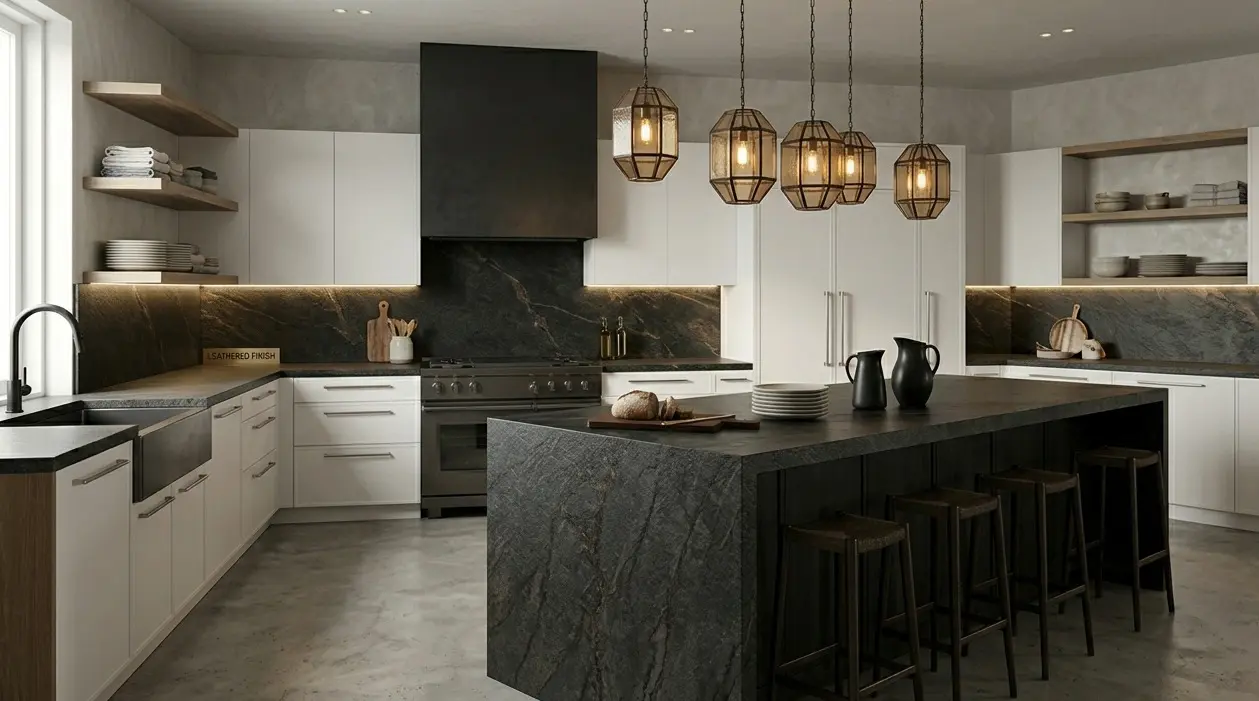 Conceptual rendering
Choosing a Dark Natural Stone for a Kitchen Island
Black and dark-toned stone is valued for the visual weight
and contrast it brings to a kitchen environment. The depth of the surface tends
to work well against lighter cabinetry and hardware, giving the island a
grounded, defined presence within the space. Each slab carries natural
variation in mineral character, veining, and surface movement, which means the
finished look of the island will reflect the specific piece selected.
Finish
selection plays a meaningful role in the final result. A polished finish enhances
the stone's depth and gives the surface a reflective quality that makes darker
tones appear more luminous. A honed finish produces a softer, matte surface
that shows fewer marks in high-use conditions. A leathered finish adds texture
and a more understated quality that works well in both contemporary and
transitional kitchen designs. Our team recommends reviewing the Natural Stone Institute's finish selection guide as a starting point for
understanding how each finish behaves before making a final decision.
How Dark Stone Holds Up on a Kitchen Island
Stone used on a kitchen island is built for regular contact
and daily activity, but long-term performance depends on consistent care and
correct use. The surface can handle the demands of a working kitchen, but
placing hot cookware directly on the stone is not recommended. Thermal shock
can affect the stone's surface integrity over time, so trivets and heat pads
should always be used under hot pans and dishes. The surface can also be
susceptible to scratching depending on the finish selected, and cutting directly
on it is not recommended regardless of the stone's density. A cutting board
should always be used during food preparation to protect the finish.
Moisture
resistance is a quality associated with well-sealed stone, but standing water
should not be left on the surface for extended periods, as prolonged exposure
can work into the slab if the seal is not maintained. For those evaluating how
stone performs in a demanding kitchen context, the Bianco
Superiore quartzite outdoor kitchen page offers a useful reference point
for understanding durability in high-use settings.
Maintaining Dark Natural Stone on a Kitchen Island
Consistent care will help dark stone used on a kitchen island maintain its appearance over time. The Natural Stone Institute's care guidelines provide practical guidance for stone surfaces, and our team recommends reviewing them as part of an ongoing maintenance routine.
-
Clean
the surface regularly
Using a soft cloth or non-abrasive sponge with warm water and a mild, pH-neutral cleaner. Abrasive scrubbers and harsh chemical cleaners can damage the finish and should always be avoided.
-
Wipe
up spills promptly
Particularly those involving acidic substances such as citrus juice, vinegar, or cooking oils. Prolonged contact with acidic liquids can affect the surface seal over time.
-
Seal
the stone
Sealing frequency will depend on the level of daily use, so consult with a stone care professional for guidance suited to the slab. -
Use
trivets or heat pads
Under hot cookware, pans, and heat-producing appliances at all times. Direct contact with very hot items can cause thermal shock and may affect the surface.
-
Always
use a cutting board for food preparation
Cutting directly on the stone is not recommended, as it can scratch the finish regardless of the slab's density. -
Take
care around the edges and corners of the slab
As these areas are more vulnerable to chipping under impact. -
Do
not allow standing water to remain on the surface
Particularly near seams or edges where moisture can work into the stone if the seal is compromised.
Frequently Asked Questions
Dark-toned stone can be a strong choice for a kitchen island when the right material and finish are selected for the application. The surface is built for daily use, but consistent sealing, prompt spill cleanup, and correct heat and scratch precautions are important for it to perform well over time.
Black and dark-toned natural stone for a kitchen island is available in polished, honed, leathered, and specialty finishes. A polished finish highlights depth and reflectivity. A honed finish delivers a softer matte surface. A leathered finish adds a subtle texture. Each finish affects both the look and the maintenance needs of the surface, so the selection should reflect how the island will be used day to day.
Placing hot pans or cookware directly on stone is not recommended regardless of the material's density. Even stone that handles heat well can be affected by thermal shock from very hot items. Trivets and heat pads should always be used to protect the surface from direct heat contact.
Yes, store pickup is available at all four showroom locations. A properly rated truck and A-frame are required to safely transport natural stone slabs. Our team will assist with loading at the time of pickup. Scheduling an appointment in advance is recommended to ensure the slabs are ready upon arrival.
Yes, slab delivery is available to any of the 48 contiguous U.S. states. Natural stone slabs require special handling and are securely strapped to an A-frame and loadedonto a dedicated truck for transport. Delivery is made directly to a fabricator's address, and the receiving facility must have a forklift and slab boom or clamp available for unloading. Contact the team directly for a custom freight quote based on delivery location.